Comprehensive Guide to Nutritional Transition and Dietary Management for One-Year-Old Infants Balancing Growth Needs and Safety

The transition from infancy to toddlerhood marks a critical physiological and behavioral milestone, particularly regarding nutritional requirements and eating habits. As children reach the age of 12 months, they undergo a significant shift from a diet dominated by breast milk or formula and soft purees to a more diverse regimen known as "family foods." This period is characterized by the child’s increasing ability to chew, swallow complex textures, and express personal preferences. Experts emphasize that the dietary choices made during this stage are foundational, influencing long-term health outcomes, metabolic programming, and the development of sensory palates. Ensuring a nutrient-dense, safe, and varied diet is essential for supporting the rapid brain development and physical growth that occurs during the second year of life.

The Chronology of Nutritional Development: From Purees to the Family Table
The journey of infant feeding is typically divided into distinct chronological phases. From birth to six months, the World Health Organization (WHO) and pediatric associations worldwide recommend exclusive breastfeeding or formula feeding. Between six and twelve months, infants enter the complementary feeding stage, where they are introduced to mashed foods and thick purees while still receiving the majority of their calories from milk.
Upon reaching the first birthday, the child enters a new phase. At this juncture, the digestive system has matured sufficiently to process most of the foods consumed by adults, provided they are prepared with safety in mind. The "family table" becomes the primary source of nutrition. This transition is not merely about calories; it is a developmental process where the child learns the mechanics of eating, such as the pincer grasp for small morsels and the rotary chewing motion required for more fibrous textures.

Strategic Approaches to Introducing Food Textures and Variety
Introducing various textures is vital for oral-motor development. While a nine-month-old might have relied on soft mashes, a one-year-old should be encouraged to explore a spectrum of consistencies.
1. Integration with Family Meals
At 12 months, children should ideally consume foods from the same basic nutritional groups as their parents: vegetables, fruits, grains (bread, cereal, or pasta), proteins (meat, fish, beans, or eggs), and dairy. This integration simplifies meal preparation for caregivers and fosters a social eating environment, which is crucial for the child’s behavioral development. Observing parents eat a variety of healthy foods encourages the child to mimic those habits, reducing the likelihood of "picky eating" in later years.

2. The Visual Appeal of the "Food Rainbow"
Nutritional science suggests that a diverse range of colors on a plate often correlates with a diverse range of phytonutrients and antioxidants. For a toddler, visual stimulation is a key driver of appetite. By presenting a "rainbow" of foods—such as the deep green of spinach, the bright orange of carrots, and the vibrant red of strawberries—parents can make mealtime engaging. This variety ensures the intake of different vitamins and minerals while helping the child distinguish between various food groups through visual cues.
3. Encouraging Autonomy through Self-Feeding
Independence is a hallmark of the one-year-old stage. Allowing children to feed themselves, either with their hands (finger foods) or by practicing with a spoon, supports the development of fine motor skills and hand-eye coordination. Providing healthy snacks that are easy to grip, such as steamed broccoli florets or small cubes of cheese, empowers the child and makes them more willing to try new flavors.
Essential Foods for Optimal Toddler Growth
To meet the caloric requirement of approximately 1,000 calories per day, the diet must be composed of high-quality, nutrient-dense ingredients.
- High-Quality Proteins (Chicken, Red Meat, and Fish): Protein is the building block of muscle and tissue. Chicken provides essential Vitamin B6 for energy metabolism. Red meat is a premier source of heme iron, which is more easily absorbed by the body than plant-based iron and is critical for cognitive development. Fish, particularly fatty varieties like salmon or local mackerel, provides Omega-3 fatty acids (DHA and EPA), which are fundamental for retinal and brain health.
- Nutrient-Rich Carbohydrates (Corn, Brown Rice, and Pasta): These provide the glucose necessary for a toddler’s high activity levels. Brown rice offers more fiber and B vitamins than white rice, aiding in stable energy release and digestive health.
- Vegetables for Micronutrients (Carrots, Sweet Potatoes, and Leafy Greens): Carrots and sweet potatoes are rich in beta-carotene, which the body converts to Vitamin A to support vision and immune function. Leafy greens like spinach and kale introduce the child to folate and iron. While some children may initially reject the bitter notes of greens, repeated exposure is key to acceptance.
- Healthy Fats and Fruits (Avocado and Bananas): Avocados are unique among fruits for their high monounsaturated fat content, which supports brain growth. Bananas serve as a convenient, potassium-rich snack that provides quick energy and fiber.
- Dairy for Bone Density (Yogurt and Cheese): These are excellent sources of calcium and phosphorus. Yogurt, specifically, contains probiotics that bolster the gut microbiome, which is a significant component of the immune system.
The Role of Fortified and Prepared Options
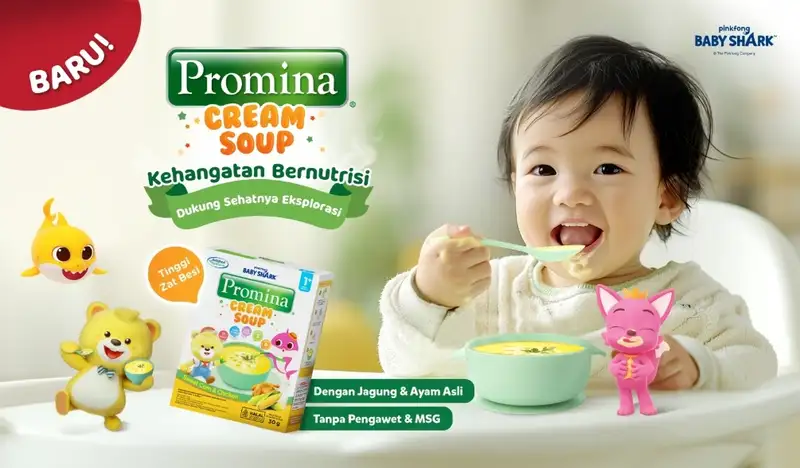
While whole foods are the gold standard, many parents utilize high-quality prepared options to ensure nutritional consistency. Products like Promina Cream Soup, made with real corn and chicken, are formulated to meet the specific needs of toddlers. Such options are often fortified with 11 essential vitamins, Omega-3, Omega-6, and high levels of iron, while remaining free from MSG, artificial preservatives, and colorants. These prepared meals can serve as a bridge, helping children transition to more complex savory flavors while ensuring that busy caregivers can provide a nutritionally balanced meal or snack quickly.

Critical Safety Protocols: Choking Hazards and Foods to Avoid
Despite their growing independence, one-year-olds remain at high risk for choking and digestive distress from certain foods.
- Choking Hazards: Popcorn, whole grapes, and raw carrots are among the most dangerous foods for toddlers. Grapes and cherry tomatoes should always be quartered lengthwise. Popcorn should be avoided entirely due to its sharp edges and potential to be inhaled into the lungs.
- Sugar and Preservatives: Canned fruits often contain heavy syrups that provide excessive sugar without nutritional benefit. High sugar intake at this age is linked to dental caries and a preference for overly sweet foods later in life.
- Caffeine and Stimulants: Chocolate contains small amounts of caffeine and theobromine, which can interfere with a toddler’s sleep patterns and cause irritability.
- Dietary Misconceptions (Low-Fat Milk): Unlike adults, children under the age of two require dietary fats for brain development. Low-fat or skim milk should generally be avoided in favor of whole milk unless otherwise directed by a pediatrician.
Analysis of Implications: The First 1,000 Days
The dietary management of a one-year-old falls within the "First 1,000 Days" window—a period from conception to a child’s second birthday that is considered a unique window of opportunity to shape a child’s health and development. Nutritional deficiencies during this time can lead to irreversible stunting, both physically and cognitively. Conversely, a diet rich in iron, zinc, and healthy fats can maximize a child’s IQ potential and immune resilience.

Furthermore, introducing a wide variety of flavors—including aromatics like onions and garlic—can prevent the onset of "neophobia" (fear of new foods). By using natural aromatics instead of salt or sugar to enhance flavor, parents can train the child’s palate to appreciate the natural taste of healthy ingredients, laying the groundwork for a lifetime of healthy eating habits.
Practical Implementation: A Sample Daily Menu for a One-Year-Old
To translate these nutritional goals into reality, a structured meal plan is often helpful. A child weighing approximately 9.5 kg generally thrives on a schedule of three meals and two snacks.

- Breakfast: Half a cup of iron-fortified cereal or a small bowl of oatmeal with mashed bananas. This provides slow-release energy for morning play.
- Morning Snack: A small serving of yogurt with diced berries or a slice of whole-grain toast with a thin layer of avocado or nut butter.
- Lunch: A savory dish such as chicken and vegetable soup or pasta with a mild tomato and meat sauce. Ensure all meat and vegetables are cut into bite-sized, soft pieces.
- Afternoon Snack: Small cubes of mild cheese or a serving of soft-cooked pulses like lentils.
- Dinner: A balanced plate featuring a small portion of fish or red meat, a serving of brown rice or mashed sweet potato, and steamed green beans or carrots.
Conclusion
Navigating the nutritional needs of a one-year-old requires a balance of vigilance and exploration. While the child is ready to join the family at the dinner table, the transition must be managed with an emphasis on nutrient density and physical safety. By prioritizing proteins, healthy fats, and a diverse array of colorful vegetables, and by being mindful of choking hazards and unnecessary additives, caregivers can provide the essential fuel needed for this high-growth period. The habits formed today are not just about immediate satiety; they are the building blocks of the child’s future well-being.