Tradisi Usai Petugas Berjibaku Angkut Krathong Menjadi Rutinitas Pasca Festival Loy Krathong di Bangkok

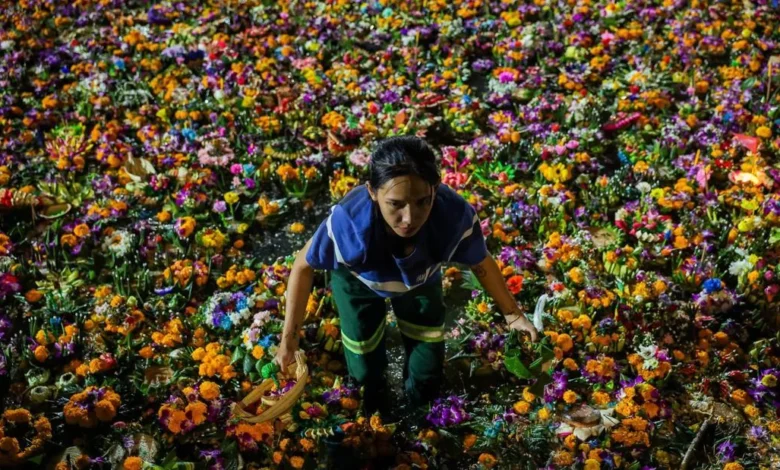
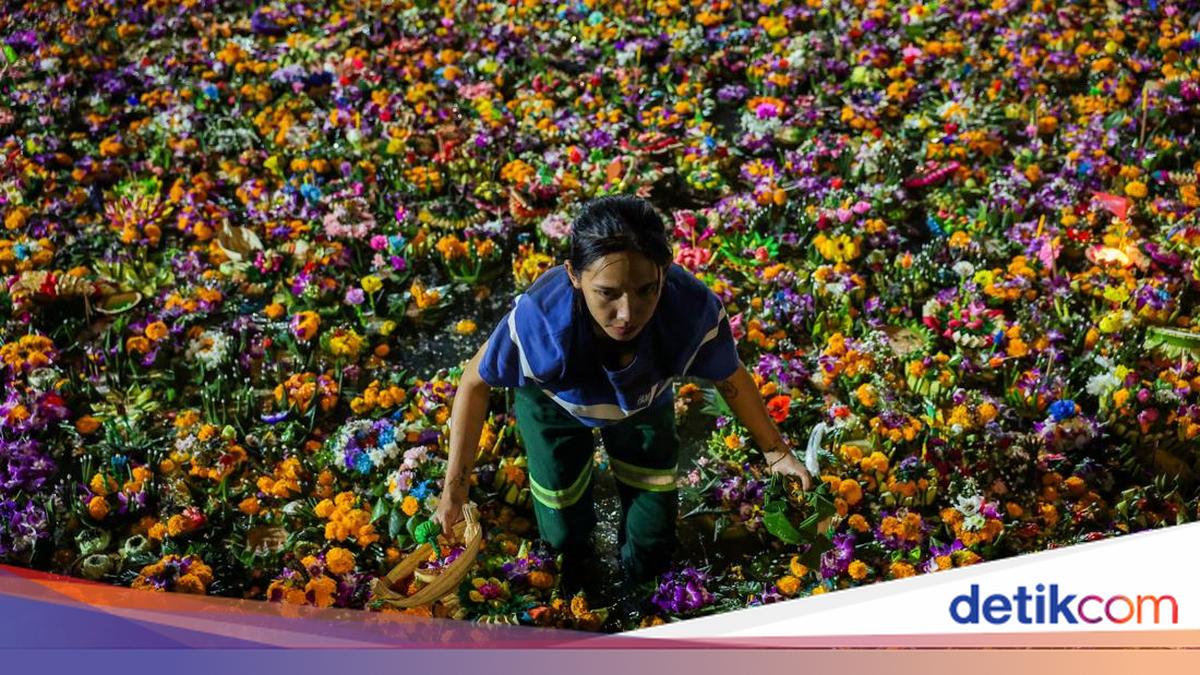
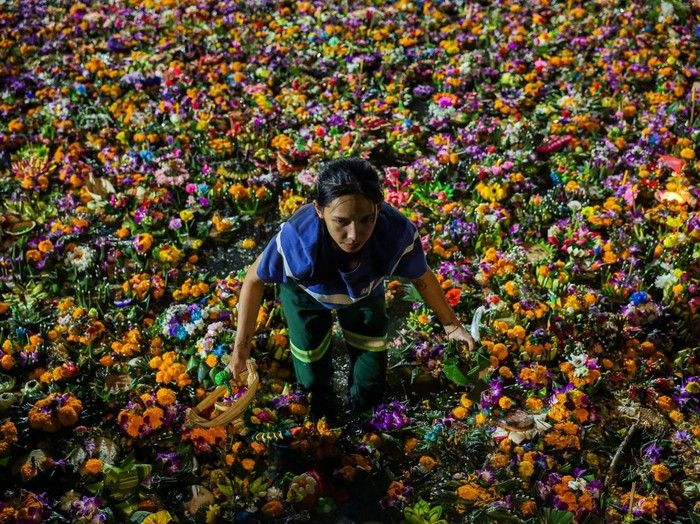
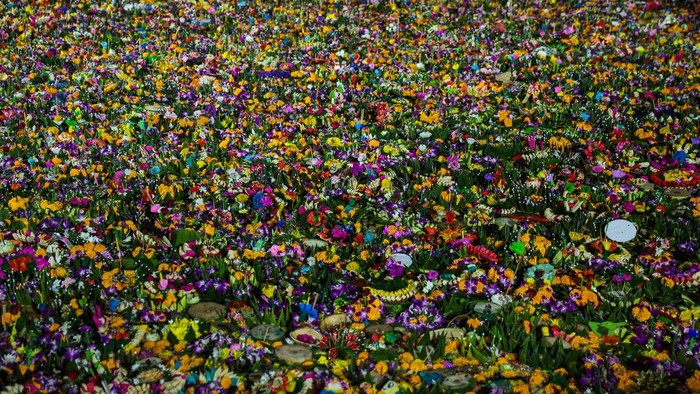
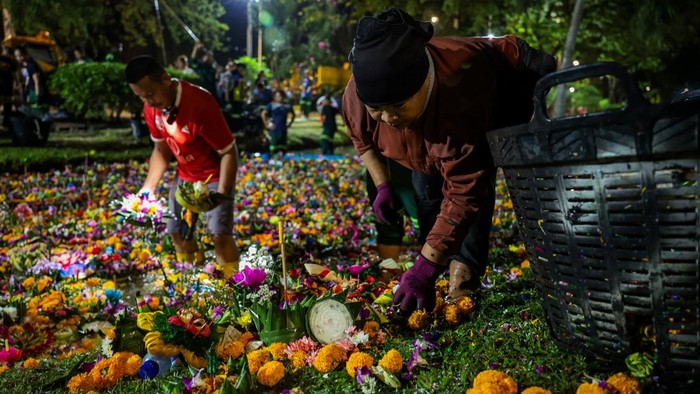
The morning after the full moon of the twelfth lunar month typically signals a time of transition in Bangkok, Thailand. As the vibrant, flickering lights of the Loy Krathong festival fade into memory, a more somber and labor-intensive reality takes hold: the massive cleanup operation of thousands of Krathongs from the city’s waterways. On November 25, 2026, sanitation workers in Bangkok were once again deployed to the city’s park lagoons and canals, navigating small boats through dense clusters of abandoned floating baskets to restore the urban environment.
The Symbolic Significance of the Festival
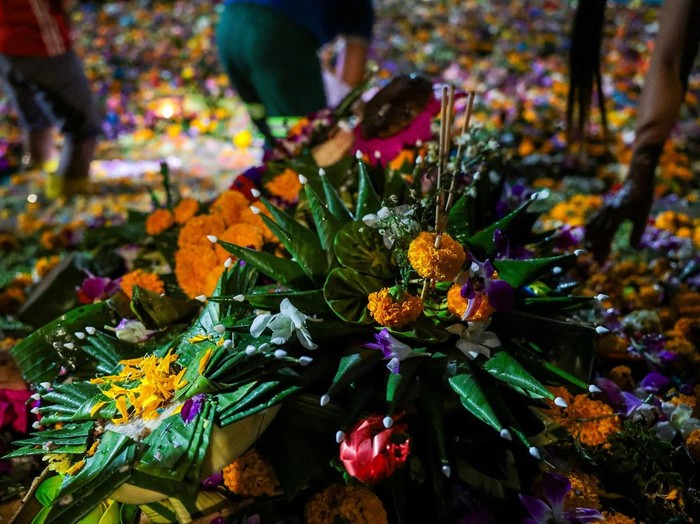
Loy Krathong, often referred to as the "Festival of Lights," remains one of Thailand’s most deeply ingrained cultural traditions. The term itself is derived from the act of "loy," meaning to float, and "krathong," which refers to the small, intricately crafted baskets usually made from banana leaves, flowers, candles, and incense. Historically, the festival serves a dual purpose: it is a profound act of spiritual cleansing and a gesture of gratitude.
Participants release their Krathongs onto the water as a symbolic apology to the river, specifically honoring Phra Mae Khongkha, the goddess of the river, for the water used by humanity throughout the year. It is believed that by setting the basket adrift, one releases their negative emotions, bad luck, and past transgressions, allowing for a fresh start. For many, the flickering candle represents the light of wisdom, while the incense symbolizes purity.
The Logistics of the Post-Festival Cleanup
While the visual spectacle of thousands of glowing Krathongs is a highlight for tourists and locals alike, the environmental aftermath presents a significant logistical challenge for the Bangkok Metropolitan Administration (BMA). By the early hours of November 25, 2026, the accumulation of organic and non-organic waste in public park lagoons and major canals like the Chao Phraya necessitated a rapid, coordinated response.
Sanitation workers were observed navigating the waters in specialized flat-bottomed boats, using long-handled nets and manual collection techniques to retrieve the baskets. The scale of the operation is immense. In previous years, the BMA has reported the collection of hundreds of thousands of Krathongs within a single 24-hour period. In 2026, the focus remained on preventing these remnants from clogging drainage systems and decaying in the water, which could otherwise lead to oxygen depletion and potential harm to aquatic ecosystems.
Evolution of Materials and Environmental Concerns
In recent years, the conversation surrounding Loy Krathong has shifted toward environmental sustainability. Traditionally, Krathongs were crafted entirely from biodegradable materials such as banana trunks, lotus leaves, and flowers. These materials decompose naturally and, in many cases, serve as food for fish and other aquatic life.
However, the modernization of the festival introduced materials that are less environmentally friendly. Styrofoam and plastic-based decorations, while durable and visually appealing, have become a primary concern for environmentalists. These materials do not biodegrade and, if left in the water, break down into microplastics that infiltrate the food chain.
Government authorities have consistently campaigned for a return to natural materials. Many municipalities now actively encourage the use of bread-based or plant-based Krathongs, which are designed to dissolve or be consumed by fish. The BMA’s current strategy involves a rigorous sorting process: once the Krathongs are collected, they are transported to processing facilities. Those made of natural, biodegradable materials are often diverted to composting sites, where they are transformed into organic fertilizer for city parks. Non-biodegradable waste is processed separately for disposal.
Chronology of the Cleanup Effort
The cleanup process follows a precise timeline designed to minimize the ecological footprint of the festivities:
- The Eve of the Festival (Nov 24, 2026): Public parks and canal access points are prepared with waste collection infrastructure. Authorities deploy informational signage encouraging the use of eco-friendly materials.
- The Night of the Festival (Nov 24, 2026): Millions of citizens participate in the ritual. As the night progresses, the accumulation of debris in popular water bodies reaches its peak.
- The Morning After (Nov 25, 2026): Before dawn, sanitation crews begin the "sweeping" process. This stage is critical to prevent the tide or current from carrying the waste into the open sea or further downriver.
- Processing and Disposal (Nov 26, 2026): Collected materials are sorted at waste management centers. Natural materials are composted, while any plastics or synthetic decorations are handled as municipal solid waste.
Official Responses and Public Sentiment
The BMA has emphasized that the cleanup is not merely an act of sanitation but an extension of the festival’s intent. "To thank the river is to treat it with respect," a city official noted during the 2026 briefing. By clearing the water of the physical remnants of the festival, the city maintains the health of the very resources that the citizens seek to honor.
Public sentiment toward the cleanup is generally appreciative. Many residents understand that the beauty of the festival relies on the efficiency of the cleanup crew. However, there is growing pressure from civil society groups to transition toward "digital" or "virtual" Krathongs to eliminate waste entirely. While such suggestions have been met with skepticism by traditionalists, the discourse highlights a changing attitude toward balancing cultural preservation with modern urban environmental stewardship.
Economic and Ecological Implications
The economic impact of the Loy Krathong festival is substantial, attracting thousands of international tourists to Bangkok, which supports the local hospitality and artisanal sectors. However, the external costs—including the labor costs for post-festival cleanup—are factored into the city’s annual budget.
From an ecological standpoint, the concentration of organic matter in stagnant park water can lead to temporary spikes in nutrient levels, specifically nitrogen and phosphorus, which can trigger algae blooms. This is why the speed of the post-festival collection is paramount. The 2026 efforts showed a marked improvement in efficiency, with crews utilizing better-coordinated routes and improved sorting technology at the collection docks.
Broader Implications for Future Celebrations
The 2026 iteration of the festival, and the subsequent cleanup witnessed in Bangkok, serves as a microcosm for the global challenge of balancing ancient cultural practices with contemporary ecological standards. As urban density increases, the strain on city waterways becomes more pronounced.
The success of future festivals will likely depend on three pillars:
- Material Regulation: Stricter enforcement of bans on non-biodegradable materials for Krathongs.
- Community Education: Promoting a deeper understanding of the "apology to the river" as an act of conservation, not just a symbolic gesture.
- Infrastructure Investment: Expanding the fleet of specialized cleaning vessels and improving composting facilities to handle the massive influx of organic material efficiently.
As the sun sets on November 25, 2026, the lagoons of Bangkok are once again clear. The candles have been extinguished, the flowers have been harvested for compost, and the water flows, albeit temporarily, in its natural state. The cycle of the festival—from the reverence of the full moon to the diligent work of the following morning—remains a testament to Bangkok’s unique ability to reconcile its spiritual heritage with the demands of a modern, sustainable capital. The dedication of the workers, often working in the sweltering heat of the post-festival morning, ensures that the sanctity of the river is preserved for another year, honoring the goddess while respecting the reality of urban life.