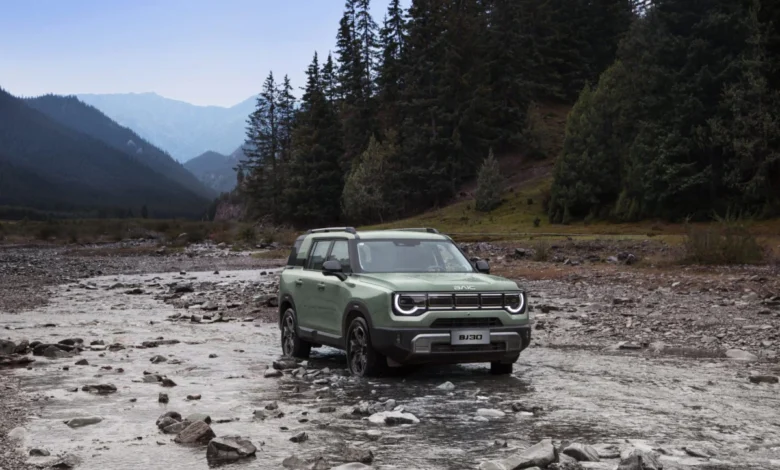
The automotive landscape in Indonesia is undergoing a profound transformation as consumers transition from traditional internal combustion engine (ICE) vehicles to more sophisticated electrified alternatives. Within the fiercely competitive SUV segment, particularly in the bracket around IDR 500 million, the decision-making process has moved far beyond aesthetic preference or brand legacy. Modern car ownership now requires a rigorous financial analysis, encompassing fuel efficiency, maintenance schedules, long-term depreciation, and the total cost of ownership (TCO) over a standard five-year holding period. As new entrants like the BAIC BJ30 HEV enter the fray, the market is forced to recalibrate how value is perceived in the SUV category.
The Evolution of the SUV Market in Indonesia
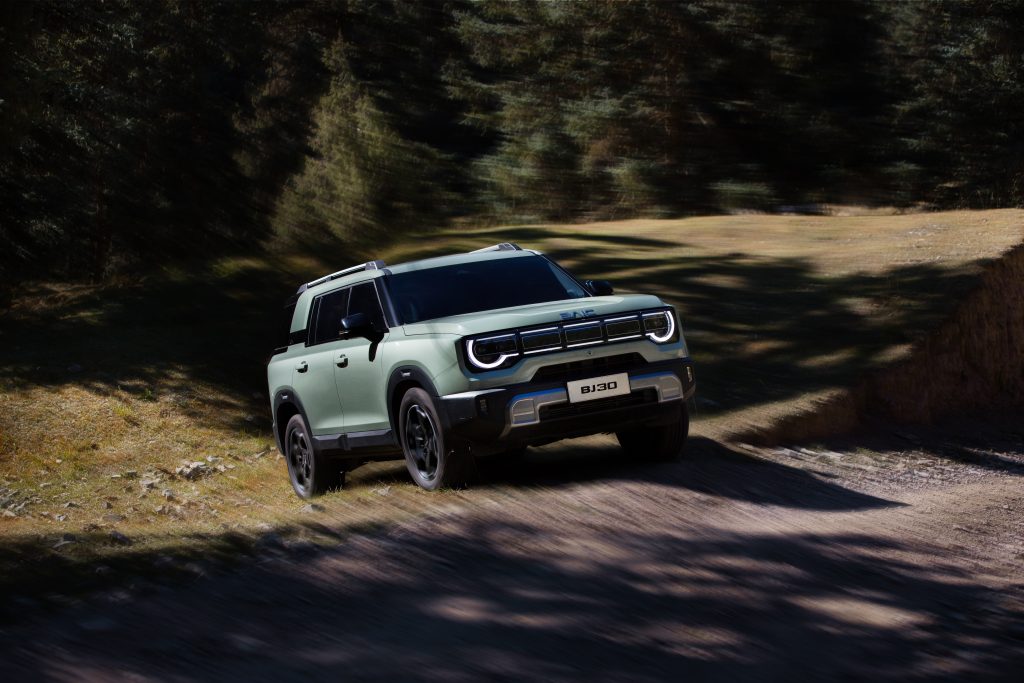
Historically, the Indonesian SUV market was bifurcated into two distinct categories: the rugged, diesel-powered ladder-frame vehicles prized for their torque and durability, and the more refined, gasoline-powered unibody SUVs. However, the introduction of hybrid electric vehicles (HEVs) has disrupted this dichotomy. Japanese manufacturers initially pioneered the hybrid space in the premium segment, but the aggressive entry of Chinese automotive giants has democratized hybrid technology, making it accessible to a broader demographic.
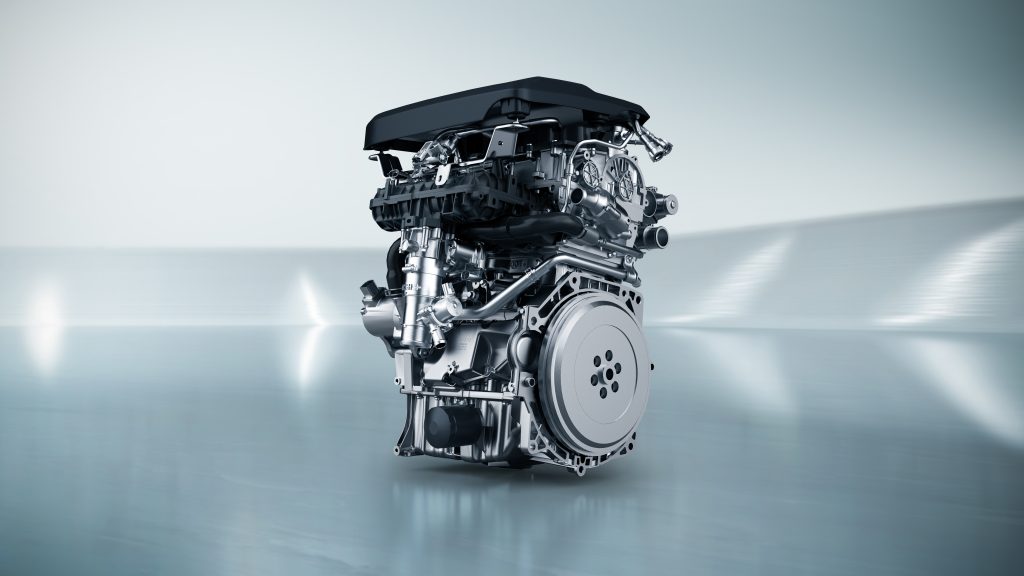
The BAIC BJ30 HEV represents the latest evolution of this trend. By integrating a 1.5-liter turbocharged gasoline engine with a sophisticated series-parallel hybrid system and 2 DHT (Dedicated Hybrid Transmission), the vehicle aims to bridge the gap between performance and operational economy. For the contemporary buyer, the choice is no longer just between diesel and gasoline; it is a calculated assessment of which powertrain architecture offers the lowest financial burden over 100,000 kilometers of operation.
Breaking Down the Total Cost of Ownership (TCO)
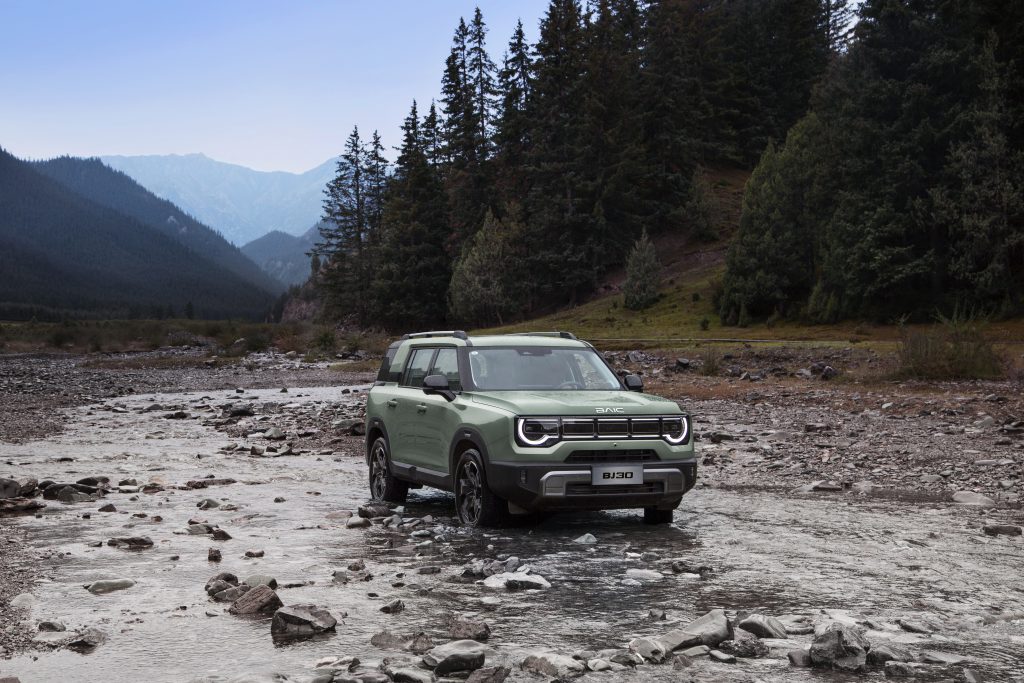
To determine the true cost of an SUV, one must look past the showroom price tag. While the initial capital expenditure (CAPEX) is the most visible cost, it is the operational expenditure (OPEX) that dictates the financial health of the investment over five years.
The TCO model relies on four primary pillars:
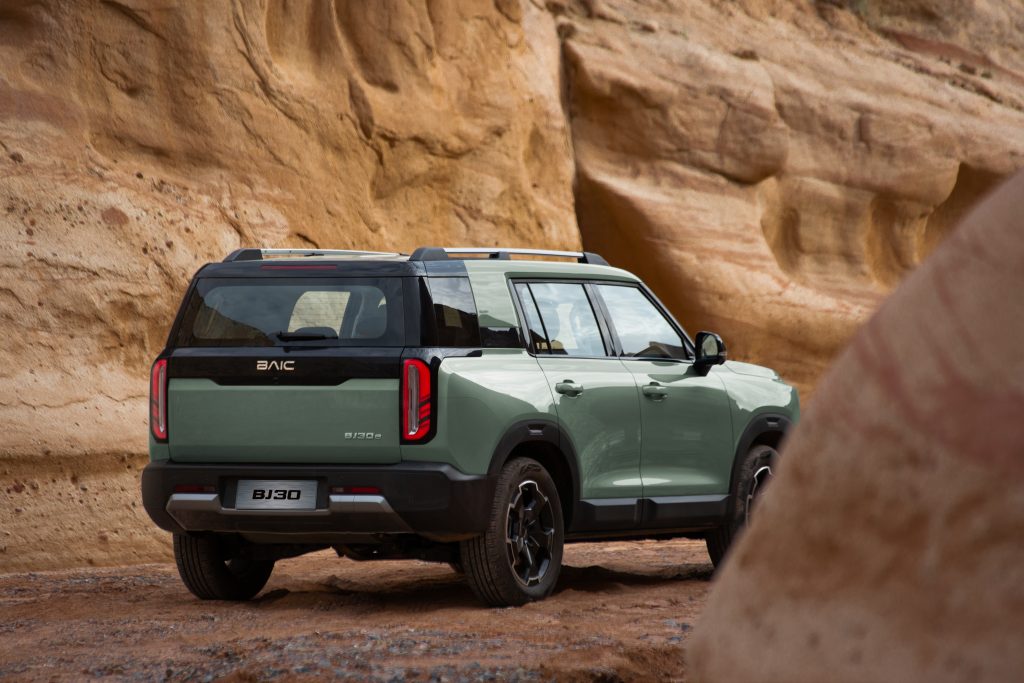
- Initial Acquisition Cost: The OTR price, which for the BAIC BJ30 HEV stands at approximately IDR 529 million for the FWD variant and IDR 589 million for the AWD version.
- Fuel Consumption: The variable cost of energy consumption based on real-world driving conditions.
- Maintenance and Servicing: The cost of scheduled upkeep, including labor and spare parts.
- Residual Value and Warranty: The anticipated market value after five years and the extent of manufacturer-backed protection.
When comparing a hybrid SUV like the BJ30 HEV against traditional diesel ladder-frame competitors, the primary differentiator is the efficiency curve. Diesel engines excel at highway cruising, but hybrid systems—which utilize regenerative braking and electric-only propulsion at low speeds—demonstrate superior efficiency in urban stop-and-go traffic.
Fuel Efficiency and Operational Realities
Industry data suggests that for a vehicle covering 20,000 kilometers annually, a total of 100,000 kilometers over five years serves as a reliable benchmark. The BAIC BJ30 HEV claims an efficiency rating of 15.5 km/liter. In a theoretical projection, this equates to a consumption of approximately 6,452 liters of fuel over the five-year period.
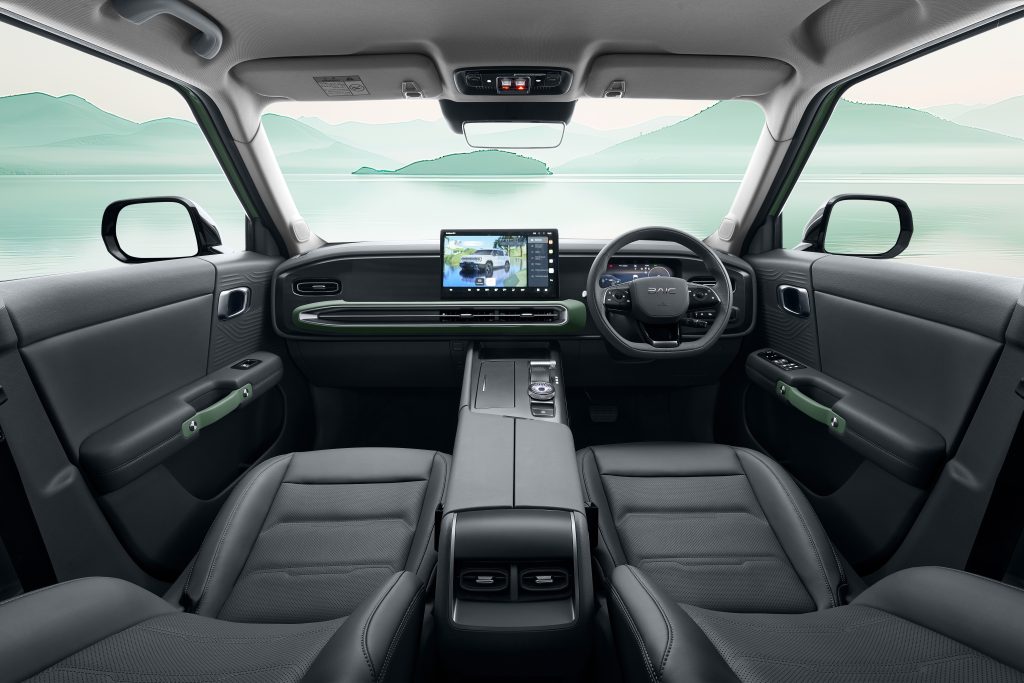
When contrasted with conventional diesel SUVs, which often boast similar or slightly better fuel economy on long-haul trips, the hybrid advantage becomes apparent in the daily commute. In dense metropolitan environments like Jakarta, where idling and low-speed navigation are constant, the hybrid’s ability to shut off the combustion engine significantly reduces fuel waste. For the average consumer, this translates to a lower cumulative fuel bill, provided the driving profile matches the hybrid’s operational strengths.
The Role of After-Sales Support
A critical factor that often deters consumers from newer automotive brands is the perceived risk regarding the availability of parts and the density of service networks. In the Indonesian market, where brand loyalty is deeply rooted in the strength of the service network, BAIC has moved to mitigate these concerns by offering comprehensive after-sales packages.
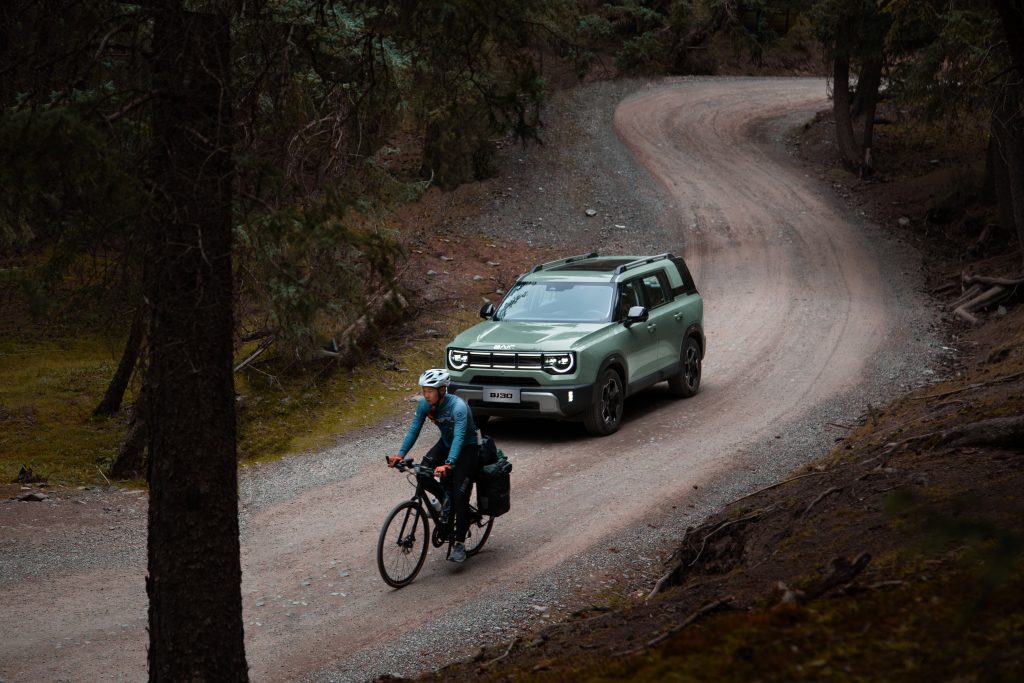
The current standard in the industry involves extended warranty programs and free periodic maintenance. By offering free service for 45,000 kilometers or 4.5 years, the manufacturer effectively subsidizes the early-stage maintenance costs of the vehicle. This is a strategic move to lower the TCO, ensuring that the cost of ownership remains predictable during the initial years of operation. For a new player, this is not merely a service benefit; it is a vital tool for building consumer confidence in the brand’s long-term commitment to the market.
Comparative Analysis: Hybrid vs. Diesel vs. Traditional Gasoline
The competition in the IDR 500 million bracket is intense. On one side, the established diesel players rely on their reputation for reliability and high resale value. On the other, hybrid models—both from Japanese and Chinese manufacturers—rely on cutting-edge technology and lower immediate fuel costs.
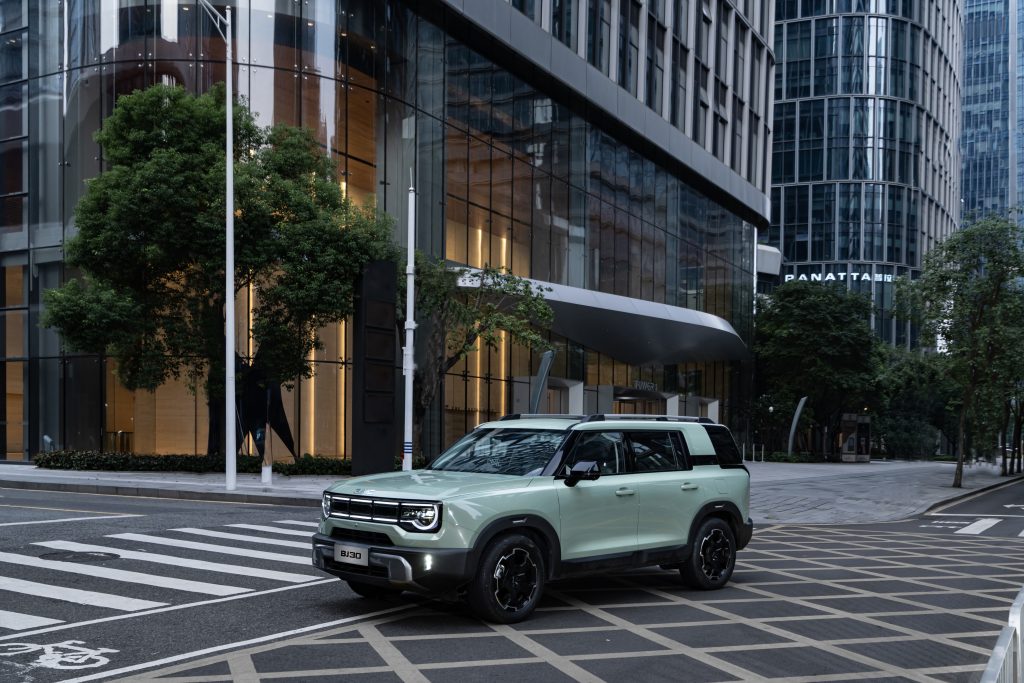
The BAIC BJ30 HEV’s positioning is unique. By offering an AWD option at a price point where many competitors only offer FWD, it challenges the utility-focused buyer. The technical implications of a series-parallel hybrid system mean that the vehicle provides an instantaneous torque response that matches the "punchiness" of a diesel engine without the noise, vibration, and harshness (NVH) typically associated with diesel powertrains.
From a financial perspective, the implication is clear: if the price of fuel continues to rise, the efficiency gap will widen in favor of hybrid vehicles. Furthermore, as emissions regulations tighten, the resale value of traditional internal combustion vehicles may fluctuate, while hybrids may benefit from their status as a bridge technology to full electrification.
Strategic Considerations for the Modern Buyer
For the prospective buyer, the "best" SUV is not the one with the most prestigious badge, but the one that aligns with their specific usage pattern. The following criteria should guide the final decision:
- Usage Profile: If 80% of driving is done in urban traffic, the hybrid’s regenerative capabilities will result in significant long-term savings. If the vehicle is primarily used for cross-province travel, the traditional diesel’s efficiency remains a strong contender.
- Maintenance Budget: Review the long-term cost of spare parts rather than just the cost of oil changes. Check for the availability of non-consumable parts, such as body panels or specialized electronic components.
- Total Financial Commitment: Calculate the monthly loan installment in tandem with the estimated monthly fuel and maintenance costs. A cheaper purchase price can sometimes be negated by higher insurance premiums or lower fuel efficiency.
Conclusion: A New Benchmark for Value
The arrival of models like the BAIC BJ30 HEV serves as a wake-up call to the industry. It emphasizes that value is no longer a static figure found on a price list, but a dynamic calculation of costs incurred over the entire lifecycle of the vehicle. By prioritizing technology, efficient energy management, and a robust after-sales program, BAIC is attempting to shift the narrative from brand legacy to tangible, data-driven utility.
As the Indonesian automotive market matures, consumers are becoming increasingly sophisticated. The tendency to "buy for the name" is being superseded by a requirement for verifiable performance and cost-effectiveness. Whether the BJ30 HEV will successfully disrupt the dominance of traditional SUVs remains to be seen, but its arrival underscores a crucial truth for all car buyers: in the long run, the most expensive car is often the one that was the cheapest to buy, but the most costly to own. Understanding the nuances of TCO is no longer an optional skill for the savvy buyer; it is a necessity for making a sound financial decision in the evolving landscape of 21st-century mobility.