Mastering the Nusa Penida Itinerary: A Comprehensive Guide for Sustainable and Efficient Island Exploration

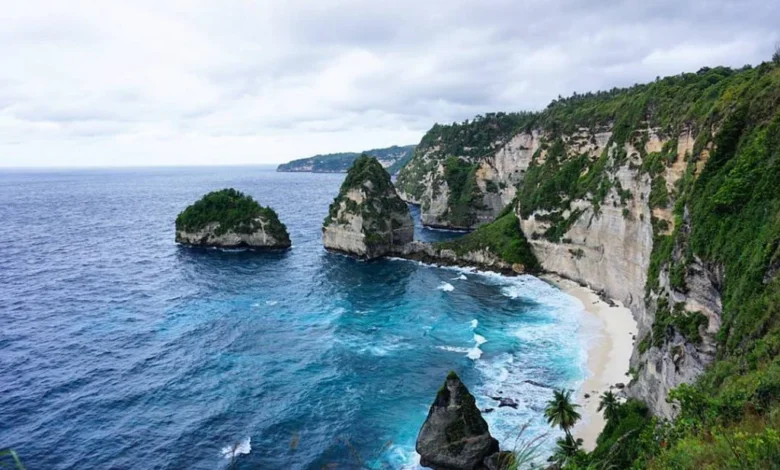
Nusa Penida, a rugged island located southeast of Bali, has transformed from a quiet, underdeveloped district into one of Indonesia’s premier tourism hubs. While many visitors flock to the island for the viral allure of Kelingking Beach, the reality of navigating this 200-square-kilometer island requires strategic planning. With its challenging topography, steep limestone cliffs, and winding roads, a poorly structured itinerary often results in excessive transit times, leaving little room for actual exploration. For travelers seeking a balanced experience that respects the island’s fragile ecosystem while maximizing efficiency, a well-structured three-day, two-night itinerary is essential.
The Evolution of Nusa Penida’s Tourism Landscape
The demographic shift in Nusa Penida’s tourism began in earnest around 2016. According to data from the Klungkung Regency Tourism Office, visitor arrivals spiked by nearly 300% over a five-year period, driven largely by social media engagement. This rapid influx of tourists has brought economic prosperity to the local community, yet it has also placed immense pressure on the island’s infrastructure, particularly its narrow, hilly road networks.
Local authorities and tourism experts have frequently noted that the "day-trip" model—where tourists arrive by fast boat from Sanur in the morning and depart by late afternoon—contributes significantly to traffic congestion and environmental degradation. By extending a stay to three days, visitors not only distribute their economic contribution more evenly across local guesthouses and restaurants but also reduce the rush-hour strain on the island’s primary transport routes.
Pre-Departure Strategic Planning
Success in Nusa Penida begins with logistics. The most critical component of the trip is the arrival window. Fast boats operate primarily from the Sanur harbor in Bali. Experts advise booking the earliest departure—typically between 7:30 AM and 8:30 AM—to ensure a full first day.
Travelers must account for the island’s terrain. While scooters are the most common mode of transport, they are not recommended for inexperienced riders due to the steep, often gravel-strewn inclines. A professional analysis of recent traffic incidents suggests that a significant number of tourist-related accidents occur on the coastal road segments during peak transit hours. Consequently, hiring a local driver with a private vehicle is increasingly recommended as both a safety measure and a way to support the local economy directly.
Day One: Navigating the Iconic Western Circuit
The western part of the island contains the most recognizable landmarks, including Kelingking Beach, Paluang Cliff, and Broken Beach. Given their popularity, these sites experience peak density between 11:00 AM and 3:00 PM.

To optimize the first day, travelers should prioritize arrival at the harbor and immediate transit to their accommodation to drop off luggage. By heading directly to Kelingking Beach by mid-morning, visitors can complete the trek down to the coastline before the heat becomes prohibitive. Following this, a visit to Broken Beach and the adjacent Angel’s Billabong provides a comprehensive look at the island’s unique geological features—specifically the natural limestone arches and tidal pools.
The logistical flow for day one is as follows:
- 08:30 AM: Arrival at Toyapakeh or Banjar Nyuh harbor.
- 09:30 AM: Transit to western accommodation hub.
- 10:30 AM: Exploration of Kelingking Beach and Paluang Cliff.
- 01:30 PM: Lunch at local establishments in the Bunga Mekar area.
- 03:00 PM: Visit to Broken Beach and Angel’s Billabong.
- 05:30 PM: Sunset observation at Crystal Bay.
Day Two: Marine Biodiversity and Eastern Landscapes
The second day shifts focus toward marine activities and the more rugged eastern cliffs. Nusa Penida is a critical site for marine biodiversity, particularly for the Manta Ray (Manta birostris) population, which resides in the waters surrounding Manta Point.
Snorkeling excursions should be booked with certified operators who prioritize marine safety and coral conservation. It is documented that anchor damage and improper fin usage by tourists have caused significant degradation to the local reef systems. Reputable operators now utilize mooring buoys and strictly enforce "no-touch" policies.
After the morning marine session, the afternoon is best spent on the eastern side of the island. Sites such as Atuh Beach and the Diamond Beach viewpoint offer a different perspective of the island’s dramatic coastline. The stairs at Diamond Beach are steep and require a good level of physical fitness, a factor that should be considered by those with mobility constraints.
Day Three: Managed Departures and Sustainable Practices
The final day serves as a buffer against the unpredictability of sea conditions. In the event of high swells, fast boat schedules can be delayed or cancelled. Therefore, the recommendation is to allocate the morning for leisure, souvenir shopping, or visiting local cultural sites, such as the Goa Giri Putri Temple, before moving toward the port at least three hours before the scheduled departure.
Environmental Stewardship and Community Ethics
As tourism continues to expand, the impact on Nusa Penida’s resources remains a central concern for local community leaders and environmental NGOs. The island faces ongoing challenges regarding waste management, as there are no large-scale industrial processing facilities on the island.
Travelers are urged to adopt a "zero-waste" mindset. This includes carrying reusable water bottles, as single-use plastic consumption remains a primary source of landfill waste on the island. Furthermore, respect for local cultural norms is paramount. Nusa Penida is home to numerous sacred temples; visitors are required to dress modestly, covering their shoulders and knees, and to refrain from entering restricted areas during religious ceremonies.
Economic and Infrastructure Implications
The rapid transition of Nusa Penida into a global tourism destination has prompted the Klungkung Regency to propose several infrastructure upgrades. These include road widening projects and the implementation of a centralized water supply system, as the island frequently faces water scarcity during the dry season.
Economic analysts note that while tourism has bolstered the local GDP, it has also led to inflation in the cost of basic goods for residents. Choosing locally-owned homestays over large-scale international resorts ensures that more revenue remains within the local economy, helping to mitigate the rising cost of living.
Conclusion: A Measured Approach
A successful three-day trip to Nusa Penida is defined by the quality of the experience rather than the quantity of sites visited. By moving systematically—west on day one, sea and east on day two, and relaxation on day three—travelers can avoid the fatigue associated with erratic planning.
The future of Nusa Penida depends on the behavior of its visitors. As the island continues to attract global attention, the responsibility lies with both the tourism industry and individual travelers to ensure that the natural beauty and cultural integrity of this region are preserved for future generations. Preparation, respect for local infrastructure, and a conscious approach to environmental impact are not merely suggestions; they are essential components of modern, sustainable travel. By adhering to these principles, visitors can enjoy the profound beauty of Nusa Penida while minimizing their footprint on this fragile and significant island environment.