The integration of smartphone technology into daily motorcycle commuting has fundamentally transformed the way riders navigate urban landscapes. For millions of motorists, a smartphone is no longer just a communication device; it is a critical navigation hub. Whether utilizing GPS applications like Google Maps or coordinating logistics through ride-hailing platforms, the ability to visualize a route in real-time has become essential. However, the manual handling of mobile devices while operating a motorcycle poses significant safety risks and constitutes a direct violation of traffic laws in many jurisdictions. To mitigate these risks, the motorcycle phone holder has emerged as an indispensable accessory, allowing riders to maintain focus on the road while accessing navigation data.
The Evolution of In-Transit Connectivity
The rise of the "gig economy" and the widespread adoption of digital maps have shifted the paradigm of motorcycle utility. Over the past decade, the demand for handlebar-mounted peripherals has surged, mirroring the growth of delivery services. Traffic authorities have repeatedly cautioned that distracted driving—specifically looking down at a handheld phone—is a leading cause of motorcycle-related accidents.
According to regional transportation safety reports, a distracted rider traveling at 40 km/h covers approximately 11 meters in just one second of inattention. By utilizing a secure phone holder, riders can keep their eyes on the road, minimizing the time spent glancing at the screen. Despite this benefit, the market is flooded with varied hardware, ranging from budget-friendly plastic clamps to high-end, vibration-dampening alloy structures. Choosing the correct equipment is not merely a matter of convenience; it is a critical safety decision.
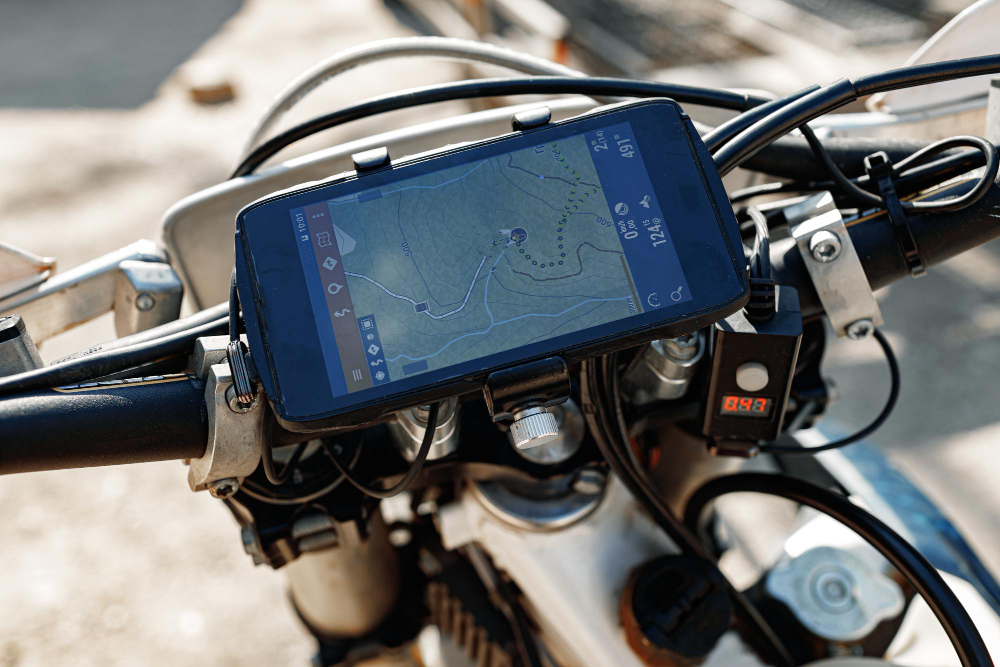
Essential Criteria for Selecting a Phone Holder
When evaluating the market for phone holders, experts suggest prioritizing three key factors: structural integrity, mounting versatility, and device security.
- Material Composition: Aluminum alloy mounts offer superior durability and resistance to the elements compared to ABS plastic. For riders frequenting highways or uneven terrain, metal construction prevents the common issue of "arm fatigue," where plastic holders gradually lose their tension.
- Mounting Mechanisms: Universal mounts typically offer two primary installation points: the handlebar or the rearview mirror base. Riders must verify the diameter of their handlebar to ensure compatibility.
- Vibration Dampening: Constant engine vibration can degrade the delicate optical image stabilization (OIS) systems in modern smartphone cameras. High-quality holders often incorporate rubberized grips or internal dampening systems to shield the phone from micro-vibrations.
Detailed Analysis of Top-Rated Phone Holders
GUB Series: The Gold Standard in Metal Mounts
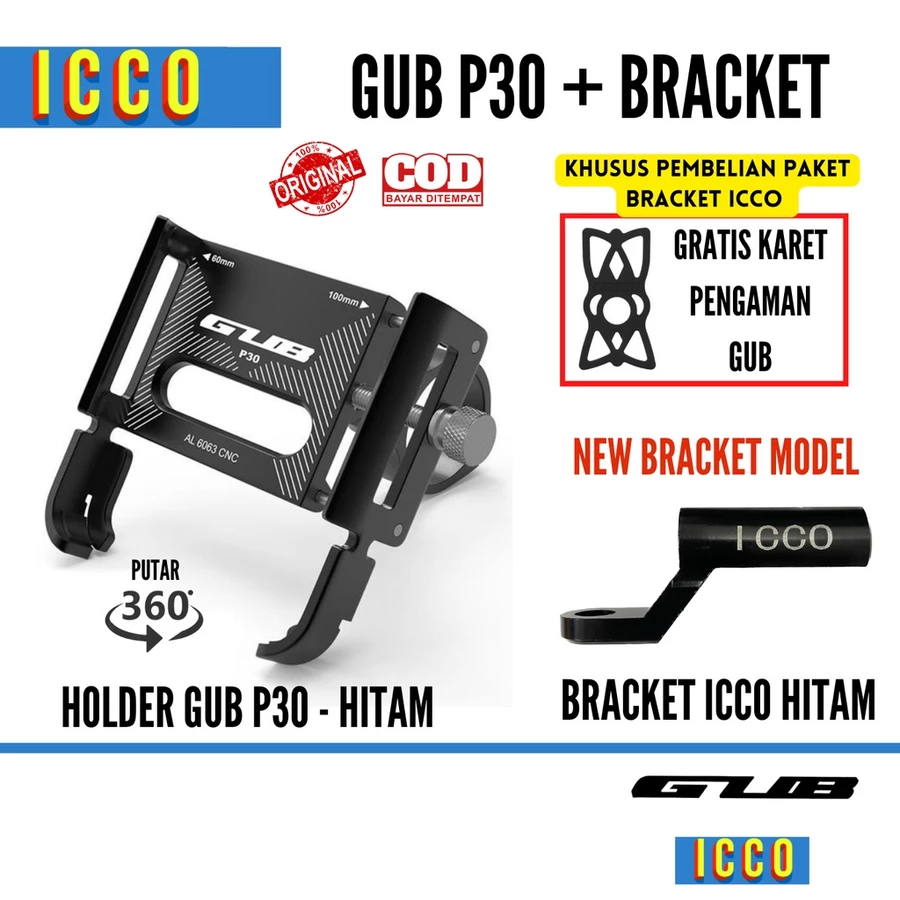
The GUB P30 and P10 series have established themselves as industry favorites due to their robust construction. The GUB P30, priced at approximately Rp170,000, utilizes an all-metal frame with anti-slip rubber inserts. This design is particularly effective for heavy-duty use. The P10, at a lower price point of Rp114,900, retains the core functionality of its sibling, making it an excellent entry-level choice for urban commuters who prioritize structural stability without the premium cost.
JETE: Engineering for Stability
JETE, a brand that has gained traction for its reliable mobile accessories, offers the H5B and H5C models. The JETE H5B (Rp99,000) features a unique four-point gear lock system. This mechanical locking mechanism ensures that even under high-speed wind resistance or sudden bumps, the device remains firmly fixed. The H5C, also priced at Rp99,000, focuses on an aerodynamic profile, which is beneficial for reducing drag on sport-touring motorcycles.
ROBOT: Accessibility and Simplicity
For riders seeking a "set and forget" solution, the ROBOT RT-MH02 (Rp79,000) and RT-MH06 (Rp88,000) provide functional, straightforward designs. The RT-MH06 is notable for its "half-body" design, which utilizes silicone padding to absorb impact. While these models lack the industrial-grade features of the GUB series, they are highly rated for their ease of installation and compatibility with a wide range of smartphone sizes.
Premium Options: Baseus and Specialized Brackets
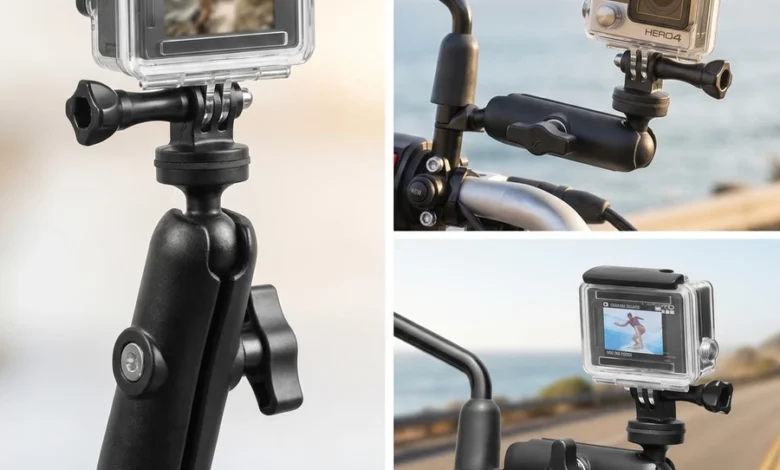
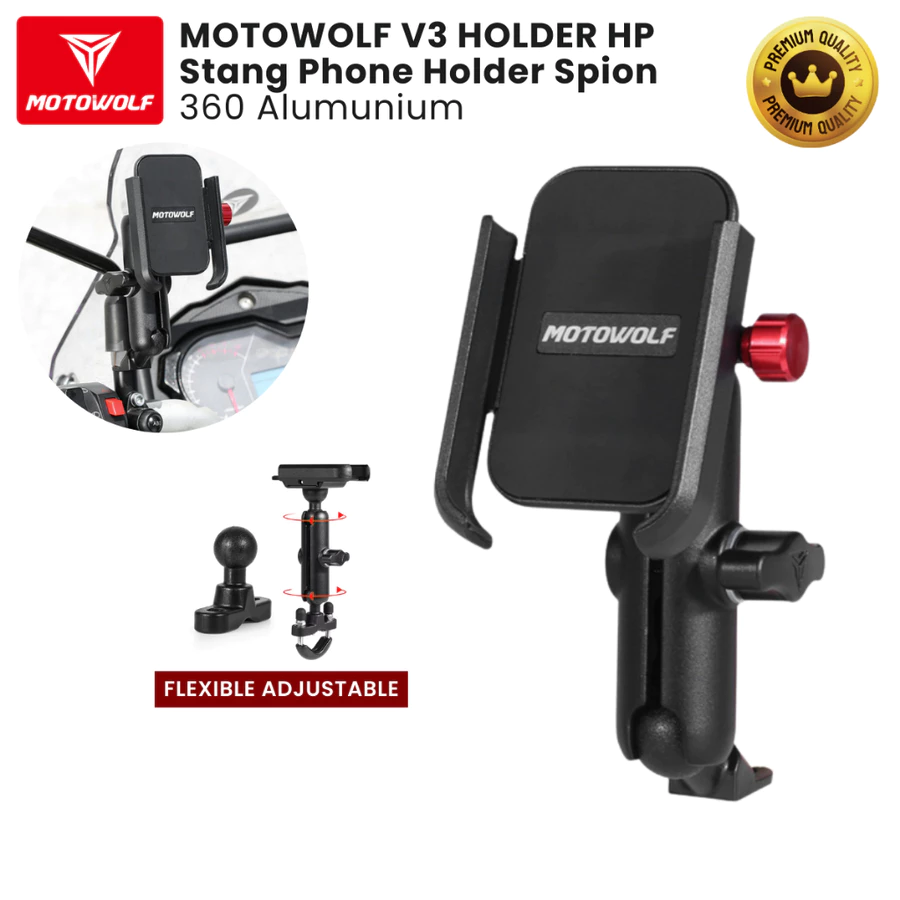
Baseus has carved a niche in the market with the Knight Motorcycle Phone Holder (Rp150,000). Its sleek, minimalist design appeals to riders who value the aesthetic integrity of their bike. Furthermore, specialized brackets like the Motowolf GoPro/Action Cam holder (Rp157,000) demonstrate the evolution of the market—many riders now seek dual-purpose mounts that can accommodate both smartphones and action cameras for documentation purposes.
Chronology of Market Trends
The proliferation of these devices follows a clear timeline:
- 2015–2017: The early adoption phase, characterized by rudimentary, universal "claw" holders that often failed under stress.
- 2018–2020: The introduction of dedicated "motorcycle-specific" mounts featuring locking mechanisms and weather-resistant materials.
- 2021–Present: The integration of advanced features such as wireless charging, vibration dampening, and modular mounting systems that accommodate diverse motorcycle cockpit designs.
Regulatory and Safety Implications
Transport regulators emphasize that while phone holders improve safety by preventing manual handling, they do not excuse distracted riding. Legal experts note that "eyes-on-road" discipline is paramount. A phone holder should be positioned at eye level, ideally near the instrument cluster, to ensure that the rider’s peripheral vision remains centered on traffic conditions.
From an insurance perspective, many providers are beginning to recognize the use of proper mounting hardware as a "risk mitigation" factor. While not a direct discount factor, the reduction in drops and subsequent damage to devices—and the potential reduction in accident rates—is an ongoing area of study by traffic safety commissions.
Comparative Price and Utility Table
| Product | Approx. Price | Primary Material | Best For |
|---|---|---|---|
| GUB P30 | Rp170,000 | Aluminum Alloy | Heavy-duty/Long-distance |
| JETE H5B | Rp99,000 | ABS + Metal | Rugged terrain |
| Baseus Knight | Rp150,000 | Metal | Aesthetics/City commute |
| ROBOT RT-MH06 | Rp88,000 | Silicone/Plastic | Budget-conscious |
| Rockbros CH-01 | Rp39,000 | Plastic | Light urban use |
Strategic Advice for Installation
Installation is as critical as the hardware itself. Riders are advised to:
- Torque Specifications: Do not overtighten mounting bolts, as this can crack the plastic housing or damage the motorcycle’s mirror threads.
- Strategic Placement: Ensure the mount does not obstruct the view of the speedometer or interfere with the movement of the handlebars (steering lock).
- Routine Maintenance: Every 1,000 kilometers, check the tension of the adjustment knobs. Vibrations from the engine can cause screws to loosen over time.
Future Outlook: The Smart Cockpit
As motorcycle technology advances, we are seeing the emergence of "Smart Cockpits." Manufacturers are beginning to integrate navigation directly into motorcycle dashboards via Bluetooth connectivity. However, until this becomes standard on entry-level and mid-range motorcycles, the external phone holder remains a vital bridge.
The industry is moving toward more sophisticated dampening systems to combat the aforementioned camera sensor damage. As smartphones continue to become more expensive and their camera arrays more complex, the next generation of phone holders will likely focus heavily on shock absorption technology.
In conclusion, while the market offers a wide spectrum of choices, the "best" holder is defined by its ability to provide a stable, vibration-free, and ergonomic viewing angle. Whether a rider chooses the high-end aluminum construction of a GUB mount or the budget-friendly utility of a ROBOT device, the ultimate goal remains the same: ensuring that the rider remains focused on the road, connected to their route, and protected from the distractions of a handheld device. Proper selection and installation are not just about convenience; they are about fostering a safer riding culture in an increasingly connected world.