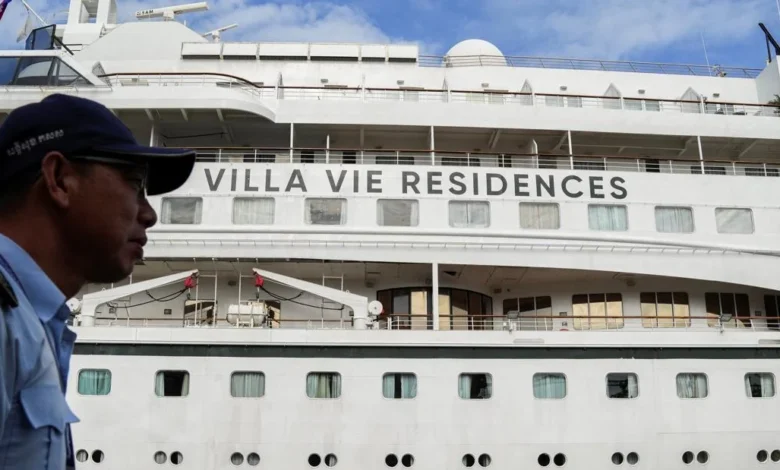
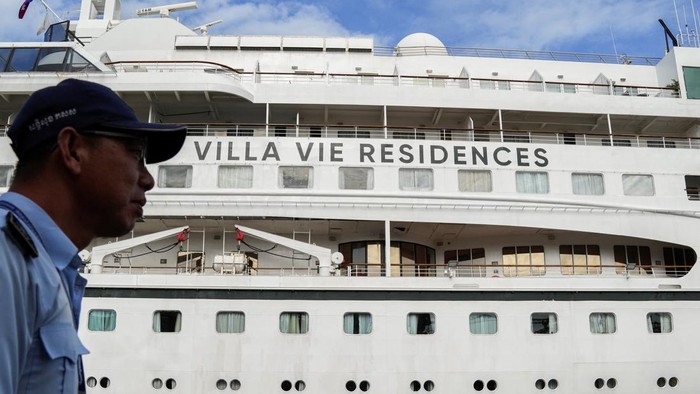
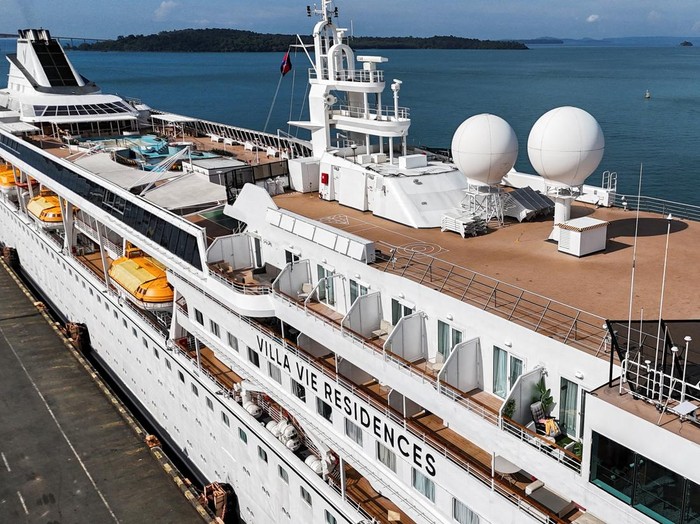
The ambitious dream of a multi-year, globe-spanning voyage has abruptly ended for over 200 passengers aboard the Villa Vie Odyssey, as the vessel remains docked in Sihanoukville, Cambodia, following an indefinite suspension of operations. The cruise ship, which was designed to offer a "floating residence" experience for long-term travelers, ceased its global itinerary this week after the operator cited unsustainable operational costs driven by a volatile global fuel market.

A Journey Halted in the Gulf of Thailand
The Villa Vie Odyssey arrived at the Sihanoukville Autonomous Port on October 23, 2026, following a transit from Thailand. While passengers expected the vessel to continue its journey toward Vietnam, the atmosphere on board shifted rapidly on October 27, 2026. The operator, Villa Vie Residences, a U.S.-based company, officially announced the suspension of the cruise due to a crippling spike in fuel prices.
According to reports from local authorities in Preah Sihanouk province, there were 203 passengers and 156 crew members on board at the time of the docking. The situation escalated quickly; passengers were given a brief seven-hour window to disembark and vacate their cabins. This sudden displacement left many in a state of uncertainty, forcing them to scramble for local accommodation in Sihanoukville or secure emergency air travel out of Cambodia to return to their home countries.

The Financial Catalyst: Geopolitical Instability and Energy Costs
The collapse of the voyage is directly linked to the broader economic fallout of the conflict involving Iran, which intensified in early 2026. Global energy markets have been severely impacted, with fuel prices reaching levels that have rendered the operational model of smaller, long-term cruise providers untenable.
Villa Vie Residences had initially budgeted for fuel costs that proved to be vastly different from the current reality. Previously, the company estimated average monthly fuel costs to be approximately $1,800 per cabin. However, in the current geopolitical climate, those costs have surged to between $6,000 and $8,000 per cabin in several Asian regions. For a vessel of this size, these expenditures have made the continuation of the 3.5-year voyage financially impossible. The operator noted that the sheer scale of the price hike—nearly quadrupling in some areas—meant that the operational budget was exhausted, leaving no choice but to ground the ship.

A Unique Business Model Under Pressure
The Villa Vie Odyssey was not marketed as a typical vacation cruise. It was built upon the concept of "residential cruising," where individuals purchase or lease cabins for long-term stays. The vision was to create a permanent, mobile community of retirees, digital nomads, and travelers who would spend 3.5 years visiting nearly 150 countries.
The financial barrier to entry was significant, with suites marketed starting at approximately $230,000. This investment was intended to cover the resident’s housing and lifestyle costs for the duration of the ship’s journey. Because the passengers were effectively "permanent residents" of the ship, the termination of the voyage has profound legal and financial implications. Many passengers had sold their homes or relocated their lives entirely to reside on the Odyssey, leading to a complex situation regarding contract fulfillment and potential litigation against the operator.
Chronology of the Voyage
- October 2024: The Villa Vie Odyssey officially departs from Belfast, Northern Ireland, embarking on its ambitious 3.5-year circumnavigation.
- February 2026: The onset of conflict involving Iran triggers a massive, sustained spike in global energy and fuel prices.
- Early-Mid 2026: The operator begins to feel the financial strain of rising fuel costs but attempts to maintain the schedule through various austerity measures.
- October 23, 2026: The vessel arrives at the Sihanoukville Autonomous Port in Cambodia from Thailand.
- October 27, 2026: Villa Vie Residences announces the immediate suspension of operations, citing the prohibitive cost of fuel.
- October 28, 2026: Passengers are forced to disembark, leaving many stranded in Cambodia without a clear plan for the future.
Impact on the Passengers and Crew
The human cost of this sudden suspension is significant. For the 203 passengers, the Odyssey was not merely a vessel; it was their primary residence. Reports from the port indicate a chaotic scene as residents—many of whom are elderly—were tasked with gathering their belongings and departing the ship with little notice. While the company has communicated with passengers, the logistical nightmare of rebooking international travel for hundreds of individuals from a provincial port in Cambodia is substantial.
The crew of 156 is also facing immediate uncertainty. Many are international contractors whose employment status is tied to the ship’s operational status. As the vessel remains under strict port regulations, the future of the crew’s wages, repatriation, and employment contracts remains a subject of concern.
Broader Industry Implications
The grounding of the Villa Vie Odyssey serves as a cautionary tale for the burgeoning "residential cruise" industry. While the concept of living at sea has gained popularity among the affluent as a way to avoid traditional real estate markets and enjoy a nomadic lifestyle, it remains highly vulnerable to the fluctuations of the global commodities market.
Unlike major, legacy cruise lines—which often have diversified fuel hedging strategies, massive reserves, and significant economies of scale—smaller boutique operators often lack the financial "cushion" required to absorb extreme energy price shocks. Analysts suggest that this incident may lead to stricter regulations and more transparent financial disclosure requirements for companies offering long-term residential cruise contracts.
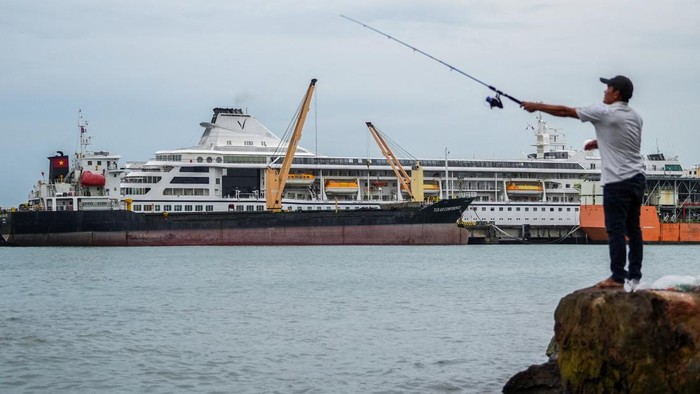
Furthermore, the incident highlights the fragility of global tourism supply chains. When a specialized, long-term operator fails, the ripple effect is not limited to the company’s balance sheet; it impacts the local host nations and the individual lives of the passengers. In this case, the Cambodian authorities have been tasked with managing a sudden influx of international residents who are no longer passengers, but effectively displaced persons.
Legal and Economic Outlook
Legal experts predict a wave of litigation against Villa Vie Residences. Residents who invested hundreds of thousands of dollars into the "life-at-sea" experience are expected to seek damages for breach of contract. The ability of the company to provide refunds or financial restitution is questionable, given that the suspension was prompted by a lack of funds to cover fuel.
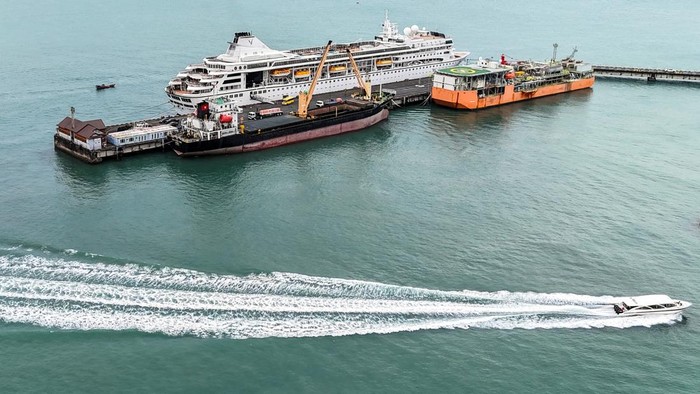
As the vessel remains in Sihanoukville, the international community will likely watch how the operator navigates these legal challenges. For the passengers, the focus has shifted from the dream of seeing 150 countries to the reality of navigating international law and seeking financial recovery for a venture that promised a permanent home but ended in a sudden, forced departure.
The situation in Cambodia remains fluid. While some passengers have successfully boarded flights to their respective home countries, others remain in the Sihanoukville area, awaiting clarity from the operator regarding their belongings and the possibility of the voyage resuming at a future, yet-to-be-determined date. Whether the Odyssey will ever set sail again, or if this marks the definitive end of a modern maritime experiment, remains to be seen. For now, the "floating residence" stands silent at the port—a monument to the unpredictable nature of global economics in a volatile world.
Related posts: