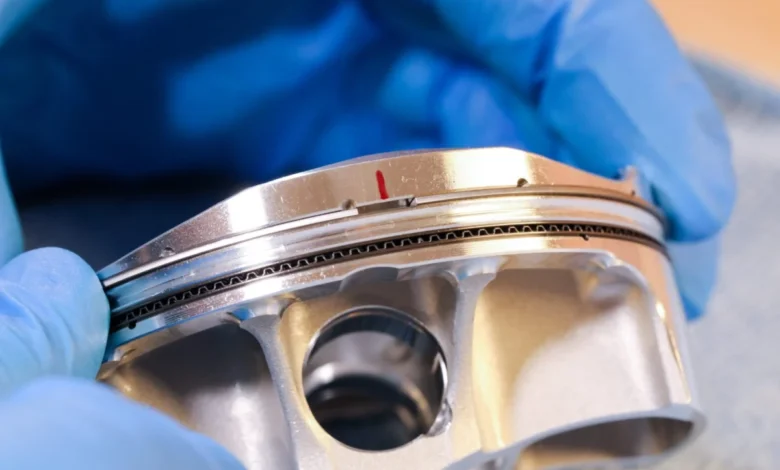
The internal combustion engine serves as the heart of any motorcycle, and at the center of this mechanism lies the piston—a critical component responsible for converting the energy generated by fuel combustion into mechanical motion. Choosing the correct piston is a nuanced decision that balances longevity, thermal efficiency, and power output. Distinguishing between requirements for daily commuting and high-performance racing is essential, as the material composition and design philosophy for each differ significantly. While daily commuters demand consistency, low friction, and heat dissipation to withstand long idling periods in traffic, racing engines require high-strength materials—often forged—capable of enduring extreme heat and rapid reciprocating speeds exceeding 15,000 RPM.
The Evolution of Piston Engineering
The history of piston development tracks the progress of metallurgy and thermodynamic science. Early engines utilized heavy cast-iron pistons, which were durable but limited engine speed due to their weight. The mid-20th century saw the widespread adoption of aluminum alloys, specifically those with high silicon content, which allowed for lighter, faster-moving components that dissipated heat more efficiently. In the 1990s and early 2000s, the rise of specialized aftermarket performance brands began to bridge the gap between mass-produced Original Equipment Manufacturer (OEM) parts and custom-built racing components.
Today, the market is divided into two primary categories: cast pistons, which are cost-effective and suitable for standard engine tolerances, and forged pistons, which are manufactured through high-pressure compression to eliminate internal voids, resulting in a denser, more resilient structure necessary for high-compression racing engines.
Market Landscape: Top 10 Piston Manufacturers
Industry analysts categorize the current motorcycle piston market based on technological maturity and specific usage profiles. The following ten brands represent the industry standards for both maintenance and performance modification.
1. FIM (Federal Izumi Manufacturing)
FIM has established itself as a cornerstone of the OEM-replacement market. By maintaining close ties with major motorcycle manufacturers, FIM ensures that its pistons adhere to strict quality control standards. For the daily commuter, FIM remains the gold standard for reliability. Their products are designed to maintain factory-specified tolerances, ensuring that the engine operates within its intended heat range without premature wear.
2. NPP (Nippon)
NPP has historically served the restoration and cost-conscious segment of the automotive market. Their manufacturing processes are optimized for longevity rather than high-performance output. For riders looking to refresh an aging daily commuter, NPP provides a cost-effective solution that, when paired with professional machine-shop work on the cylinder block, can restore a vehicle to its original performance capabilities.
3. BRT (Bintang Racing Team)
BRT represents the evolution of the Southeast Asian performance market. By investing heavily in R&D and ECU integration, BRT has shifted the focus from simple mechanical parts to integrated engine management. Their pistons are specifically designed for the "bore-up" market, where enthusiasts increase engine displacement. BRT’s focus on metallurgy allows their pistons to withstand the increased stress of higher compression ratios.
4. Kawahara
Kawahara has long been associated with the drag racing scene. Their approach focuses on reducing the reciprocating mass of the piston, which allows the engine to rev faster. Their products are characterized by specific "dome" profiles designed to optimize the combustion chamber volume, a critical factor for engines that have been modified beyond factory specifications.
5. Hi Speed (Hispeed)
Hi Speed provides a diverse catalog that caters to both the street-performance and light-racing segments. Their success is rooted in the wide variety of sizes available, allowing tuners to find precise fits for virtually any engine configuration. Their pistons are often favored for semi-racing setups where the bike must remain street-legal while providing a noticeable increase in torque.

6. Moto1
Moto1 is a leader in the adoption of forged aluminum technology for mid-range performance. Forged pistons from Moto1 are engineered to be thinner yet stronger, providing the ideal balance for performance enthusiasts who do not want to sacrifice engine longevity. The forging process ensures that the piston is resistant to the "piston slap" that can occur in high-clearance racing setups.
7. LHK (RRGS)
LHK, often categorized alongside the RRGS brand, is a staple in the high-end scooter racing circuit. Their expertise lies in creating specialized pistons that work in harmony with high-output exhaust systems and racing-grade fuel injectors. The precise engineering required for their products makes them a favorite for competitive tuners who demand exact specifications.
8. Daytona
With deep roots in Japanese engineering, Daytona brings a level of manufacturing precision that is rare in the aftermarket sector. Their pistons are designed with specific coatings to reduce friction, which in turn reduces engine operating temperatures. This is particularly advantageous for long-distance endurance racing where thermal management is the primary challenge.
9. CLD Racing
CLD Racing is widely recognized for its contributions to the underbone racing class. Their pistons are known for their high-quality ring lands—the grooves that hold the piston rings—which are often the first point of failure in poorly designed aftermarket components. CLD ensures that their ring lands are robust enough to handle the pressures of high-RPM competition.
10. QTT Racing
QTT Racing rounds out the list by focusing on the thermal stability of the piston crown. In high-compression racing engines, the piston crown is subjected to extreme temperatures that can lead to detonation. QTT’s designs incorporate heat-dissipation technology that allows the engine to maintain peak power throughout the duration of a race.
Technical Implications and Maintenance Considerations
Choosing a brand is only the first step; the technical installation process determines the lifespan of the component. A critical factor often overlooked by amateur tuners is the "piston-to-wall" clearance. If the clearance is too tight, the piston will expand as it heats up, potentially seizing against the cylinder wall. Conversely, if the clearance is too loose, the piston will "rock," causing noise and eventual failure of the ring seal.
Engineers emphasize that the piston is only as good as the system supporting it. Factors such as:
- Fuel Quality: Higher compression ratios require higher octane fuel to prevent premature combustion.
- Cooling Systems: Increased power output generates more heat, often requiring an upgraded radiator or oil cooler.
- Lubrication: High-performance pistons require high-quality synthetic oils that can maintain a protective film at extreme temperatures.
Industry Analysis and Future Outlook
The global trend in motorcycle manufacturing is shifting toward smaller, high-output engines—a phenomenon known as engine downsizing. As manufacturers squeeze more horsepower from smaller displacements, the demand for high-quality pistons will continue to grow. According to recent industry reports, the aftermarket piston segment is projected to grow by 4.2% annually as consumers prioritize engine longevity and performance optimization over premature vehicle replacement.
However, industry experts advise caution. "The market is saturated with low-quality counterfeit parts that mimic the appearance of premium brands," notes a lead technician from a prominent regional racing workshop. "Using a counterfeit piston is a guaranteed recipe for catastrophic engine failure. Always purchase through authorized distributors and verify the authenticity of the material, especially for forged components."
Conclusion
For the average motorcycle owner, the choice between these brands should be dictated by the intended use of the motorcycle. If the machine is a daily commuter, durability takes precedence, and brands like FIM or NPP are highly recommended. For those venturing into the world of performance modification, the selection process must be more analytical, taking into account the compression ratio, desired RPM range, and the overall mechanical health of the engine. Whether for a daily trip to the office or a lap around the circuit, the piston remains the silent workhorse, and selecting a reputable brand is the single most important investment one can make in the life of a motorcycle engine.
Related posts: