Valve Adds CD Drive Support to Steam Frame Kernel in Minutes Following Community Request

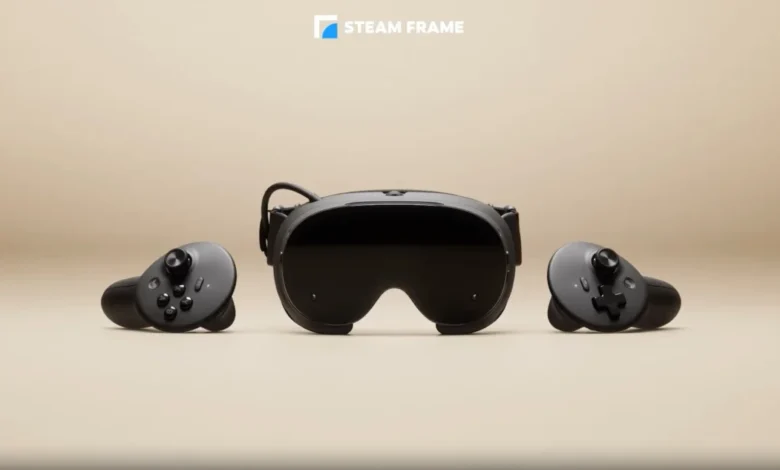
In an unprecedented display of rapid consumer responsiveness and developer agility, Valve Corporation has integrated optical disc drive support into the kernel of its flagship virtual reality and spatial computing device, the Steam Frame. The update was greenlit, coded, and committed to the Linux kernel repository in a matter of minutes after a single user petitioned the development team to enable legacy physical media capabilities on the hardware.
This unexpected development bridges the gap between modern immersive gaming technologies and nostalgia-driven retro media preservation. It highlights how contemporary software ecosystems, particularly those anchored in open-source foundations like Linux, can adapt swiftly to the hyper-specific demands of enthusiast communities.
The Genesis of a Unique Request
The chain of events began on October 18, 2026, within the official Steam Community forums. A dedicated user operating under the alias AiodensGhost submitted a feature request thread concerning the Steam Frame. The user proposed an unconventional use case for the untethered VR and gaming headset: connecting an external USB optical disc drive to the device.
The rationale behind the request was twofold. First, the user sought the ability to watch physical media, such as movies stored on optical formats, while traveling. Second, and perhaps more ambition-driven, the user wanted to install and run legacy PC titles from the mid-2000s directly onto the Steam Frame. Specifically, the inquiry highlighted classic retro titles, including Electronic Arts’ 2006 street racing classic, Need for Speed: Carbon, which remains trapped on physical compact discs for many original collectors.
At the time of the post, however, the Steam Frame operating system—a customized iteration of SteamOS built upon a Linux kernel backbone—lacked the necessary driver configurations and file-system modules to recognize, mount, and read external optical drives. For most hardware manufacturers, such a niche request from a single user would likely be relegated to a low-priority backlog or dismissed entirely given the specialized, immersive nature of a VR headset.

A Rapid Engineering Response
What transpired next surprised both the original poster and the broader PC gaming community. Just one day after the initial forum post went live, a Valve developer utilizing the handle "gaberowe" formally responded to the thread. The developer acknowledged the consumer’s inquiry and confirmed that the engineering team would investigate the feasibility of implementing the feature.
True to that promise, the turnaround time was remarkably brief. Less than ten minutes after issuing the public forum reply, the developer submitted a patch directly into the Steam Frame’s Linux kernel source repository.
Rather than engineering a custom driver from scratch, the developer enabled pre-existing, native CD-ROM and optical disc driver modules built directly into the standard Linux kernel architecture. These modules are routinely disabled in streamlined, minimalist operating systems designed for mobile or VR hardware to conserve system resources, reduce kernel bloat, and minimize potential security vectors. By flipping the configuration flags and recompiling the relevant sections of the kernel, Valve effectively unlocked legacy disc reading capabilities for the hardware architecture.
Current Status and Rollout Timeline
Despite the speed at which the code was modified, consumers cannot immediately plug an external DVD or CD drive into their Steam Frame headsets and expect retro games to boot instantly.
The code modification currently exists only within the upstream development source repositories maintained by Valve’s internal engineering teams. Before reaching the general public, the patch must undergo rigorous internal quality assurance (QA) testing, stability checks, and integration protocols. Once validated, the update will be bundled into a future over-the-air (OTA) system software update for retail units. As of press time, Valve has not announced an official deployment date for the public release of this specific kernel update.
Technical Implications and Ecosystem Flexibility
The addition of CD drive support to a standalone VR headset may appear functionally redundant at first glance. The Steam Frame is marketed primarily as a cutting-edge platform for untethered virtual reality experiences, spatial computing applications, and digital library streaming via Steam. Physical optical drives have been systematically phased out of modern consumer electronics, with desktop PCs, laptops, and consoles embracing purely digital distribution models for well over a decade.

However, the architectural philosophy underpinning SteamOS and Valve’s hardware strategy has always prioritized user freedom and modularity. By utilizing a Linux-based operating system, Valve inherits a vast library of open-source drivers and hardware compatibility layers that commercial walled gardens traditionally lock out.
Enabling optical drive support via USB demonstrates the profound flexibility of the Steam Frame. Users equipped with USB-C to USB-A adapters and portable external disc drives could theoretically access decades of archived software, abandonware, digital encyclopedias, and multimedia formats that predate the modern cloud-streaming era. Furthermore, it opens up fascinating avenues for digital archivists and preservationists attempting to run legacy games inside virtual desktop environments powered by the headset.
Industry Reactions and Precedent
The incident has sparked widespread discussions across tech and gaming forums regarding customer service and corporate responsiveness. In an era where major technology conglomerates frequently employ automated support systems, rigid product roadmaps, and heavily guarded closed ecosystems, Valve’s direct interaction with an individual user stands in stark contrast.
While major hardware competitors often restrict user modification to prevent unforeseen system vulnerabilities or peripheral conflicts, Valve has cultivated a long-standing corporate culture rooted in PC gaming open-platform advocacy. This philosophy traces its roots back to the continuous evolution of Steam, the development of Proton for Linux compatibility, and the community-driven hardware feedback loops established during the rollout of the Steam Deck handheld console.
Analysts note that while very few Steam Frame owners will actively utilize an external CD drive, the psychological and marketing impact of the gesture is significant. It reinforces consumer trust, validates grassroots community engagement, and showcases the immense adaptability of agile development teams when given the autonomy to address consumer requests directly.
As the tech industry continues to monitor Valve’s software pipeline for the official inclusion of the patch in a public Steam Frame update, the event remains a textbook example of how modern software development, when paired with an open-source framework and a listening ear, can accommodate even the most unexpected corners of user nostalgia.