The rapid urbanization across Southeast Asian markets, particularly in Indonesia, has fundamentally shifted consumer preferences in the automotive sector. As traffic congestion levels continue to rise and the demand for efficient, versatile personal mobility increases, the "utility scooter" segment has emerged as a critical battleground for major manufacturers. Modern commuters no longer view motorcycles merely as a means of transport; they are now mobile storage solutions for a lifestyle defined by multitasking.
For the modern professional or long-distance rider, the ability to store a helmet, rain gear, a laptop bag, and miscellaneous items securely beneath the seat—without relying on unsightly or insecure top boxes—has become a non-negotiable feature. This evolution in user requirements has prompted manufacturers like Honda and Yamaha to aggressively expand the under-seat storage capacities of their flagship automatic (matic) scooters.
The Evolution of Utility in Modern Scooter Design
Historically, automatic motorcycles were criticized for their lack of storage compared to manual transmission bikes or underbone motorcycles. The early 2000s saw a paradigm shift when manufacturers began integrating fuel tanks under the footboard or repositioning frame components to carve out more space under the seat.
Data from recent market analysis suggests that "storage capacity" now ranks among the top three decision-making factors for consumers purchasing scooters in the 125cc to 250cc range, trailing only behind fuel efficiency and brand reliability. This trend has led to the current era of "big-trunk" scooters, where capacities ranging from 25 liters to over 45 liters have become standard for premium models.
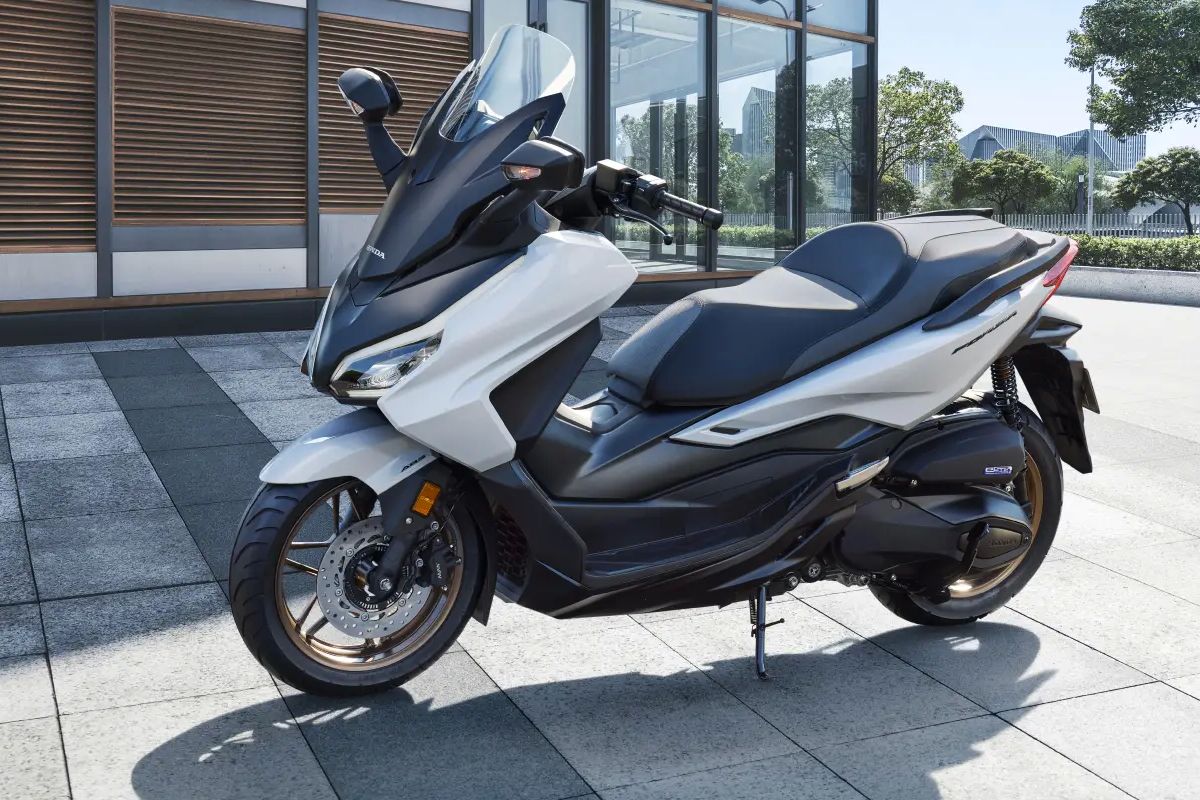
Honda Forza 250: Setting the Benchmark for Touring Capacity
At the top of the spectrum sits the Honda Forza 250, a machine that redefines the expectations for a maxi-scooter. With a cavernous 48-liter under-seat compartment, it effectively bridges the gap between a standard scooter and a touring motorcycle.
Industry analysts note that the Forza 250’s storage design is not merely about raw volume; it is about configuration. The compartment is shaped to accommodate two full-face helmets—a feat that remains difficult for many competitors. This design choice is a direct response to the touring community, which has historically complained about the lack of secure storage for gear during long-haul expeditions.
However, the implications of this size come with trade-offs. The wider body necessary to house such a large compartment increases the bike’s footprint, making it less agile in dense, bumper-to-bumper urban traffic compared to smaller-displacement scooters. Furthermore, the maintenance costs associated with a 250cc engine and premium electronic features place this model in a niche category, targeting established professionals rather than entry-level buyers.
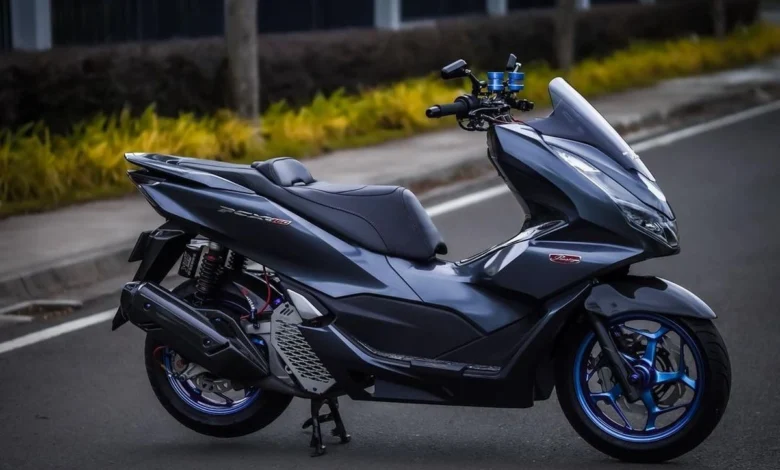
Honda PCX 160: The Balance of Elegance and Practicality
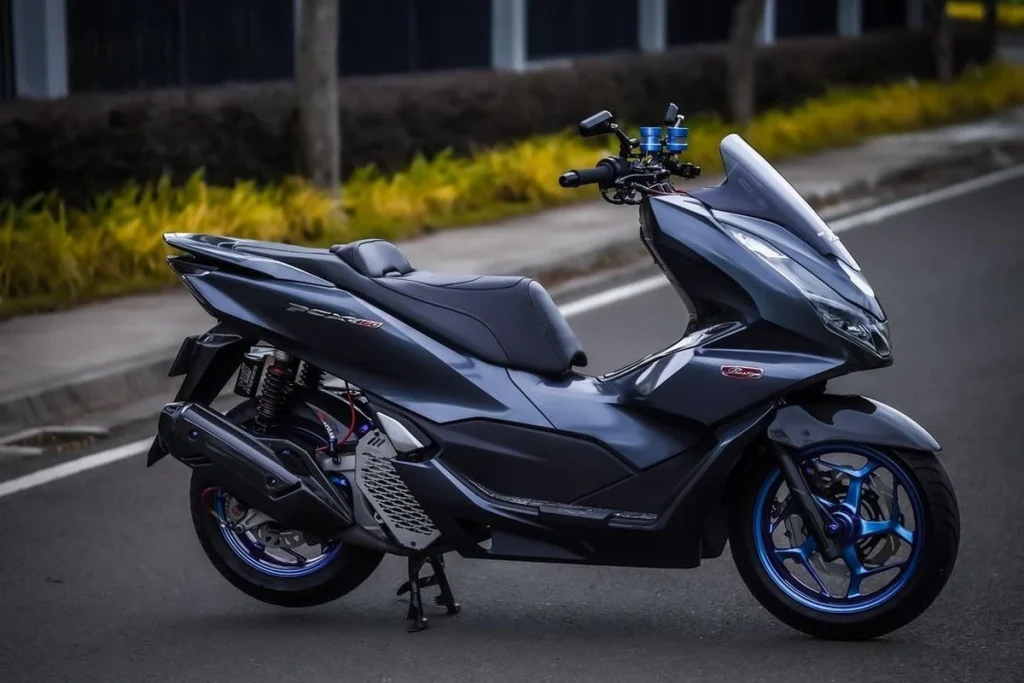
The Honda PCX 160 remains the most prominent player in the 150-160cc premium segment. With 30 liters of storage space, it represents the "golden mean" for Indonesian commuters. Its popularity is bolstered by a design that prioritizes aerodynamics and rider comfort, featuring a refined engine that balances power with fuel economy.
The PCX 160’s storage success lies in its deep, rectangular-based cavity, which allows for the stowage of a standard helmet and additional rain gear. From a logistical standpoint, Honda has optimized the frame to ensure that the increased storage does not compromise the bike’s low center of gravity, maintaining the stability that has made the PCX series a staple in urban environments. Experts emphasize that the PCX 160 is a strategic model; it serves as a gateway for riders moving from standard 110cc bikes to premium scooters, offering them the utility they crave without the intimidating size of a 250cc machine.
Yamaha Grand Filano Hybrid: The Intersection of Style and Utility
Yamaha’s entry into the high-storage market with the Grand Filano Hybrid represents a shift toward "lifestyle-oriented" utility. While many high-storage bikes lean toward an aggressive, sporty, or "maxi" aesthetic, the Grand Filano embraces a neo-retro design language.
Despite its compact appearance, it offers a 27-liter storage capacity. A notable feature that has garnered positive feedback from users is the integration of an LED interior light within the storage bin. This is a practical, user-centric improvement that addresses the difficulty of finding items in low-light conditions, such as parking garages or late-night commutes. The hybrid technology further emphasizes the bike’s urban focus, prioritizing fuel efficiency and reduced emissions, which aligns with the global shift toward greener, more sustainable urban transport.
Yamaha FreeGo 125 Connected: The Underdog of Efficiency
Often overlooked in the premium conversation is the Yamaha FreeGo 125 Connected. With 25 liters of space, it holds its own against larger, more expensive models. The design philosophy here is "space-smart." By placing the fuel filler cap in the front leg shield, Yamaha reclaimed the space usually occupied by the fuel tank, allowing for a significantly larger trunk relative to the bike’s total length.
This design choice has significant implications for accessibility. For many riders, especially those of shorter stature, the FreeGo provides the storage of a larger scooter without the high seat height or physical weight that can make larger bikes difficult to manage in parking scenarios. It is a textbook example of engineering for space optimization, proving that utility is not exclusively the domain of large-displacement engines.
Comparative Analysis: Storage vs. Mobility
The trade-off between storage capacity and vehicle dimensions remains the central challenge for manufacturers. As seen in the chronology of these models, the trend has been a consistent increase in capacity. However, as storage grows, so does the risk of the motorcycle becoming cumbersome in tight spaces.
| Model | Storage Capacity | Primary Target | Key Advantage |
|---|---|---|---|
| Honda Forza 250 | 48 Liters | Touring/Long-distance | Two-helmet capacity |
| Honda PCX 160 | 30 Liters | Daily Commute | Balanced ergonomics |
| Yamaha Grand Filano | 27 Liters | Urban Lifestyle | LED storage lighting |
| Yamaha FreeGo 125 | 25 Liters | Entry-level/Urban | Fuel-filler accessibility |
The Broader Impact on the Automotive Market
The shift toward high-capacity storage has broader implications for the motorcycle industry. First, it has reduced the demand for aftermarket modifications, such as the installation of top boxes. While top boxes offer additional storage, they often alter the motorcycle’s handling, increase wind resistance, and can be vulnerable to theft. Manufacturers integrating storage directly into the frame are essentially offering a "cleaner" and safer solution for the consumer.
Second, the competition for storage capacity has sparked innovation in frame geometry and engine mounting. We are seeing more "flat-deck" vs. "tunnel-deck" configurations, each catering to different types of users—those who prioritize foot-space comfort versus those who prioritize fuel tank capacity and storage volume.
Official statements from industry representatives suggest that this trend is set to continue. As the average urban commute time increases, the motorcycle is becoming an extension of the rider’s office and home. Future models are expected to feature even more sophisticated storage solutions, potentially including integrated charging ports for electronic devices and modular shelving systems within the under-seat compartments.
Concluding Insights for Consumers
Choosing the right scooter today requires a careful assessment of one’s daily routine. For the rider who consistently navigates heavy traffic and requires a balance of weight and storage, models like the Yamaha FreeGo or the Grand Filano provide the most logical utility. Conversely, for the rider whose commute involves long stretches of highway and who requires the security of a full-face helmet and additional equipment, the Honda PCX 160 or the Forza 250 remains the industry standard.
As the market continues to evolve, the distinction between "entry-level" and "premium" will likely blur further, with manufacturers competing to provide maximum storage even in their most accessible models. For the consumer, this competitive landscape is beneficial, as it forces constant improvements in both design and functionality, ensuring that the modern scooter remains the most efficient way to navigate the complexities of contemporary urban life.