Pressure Mounts on Jose Mourinho as Real Madrid Struggles with Form, Tactical Friction, and Underperforming Stars

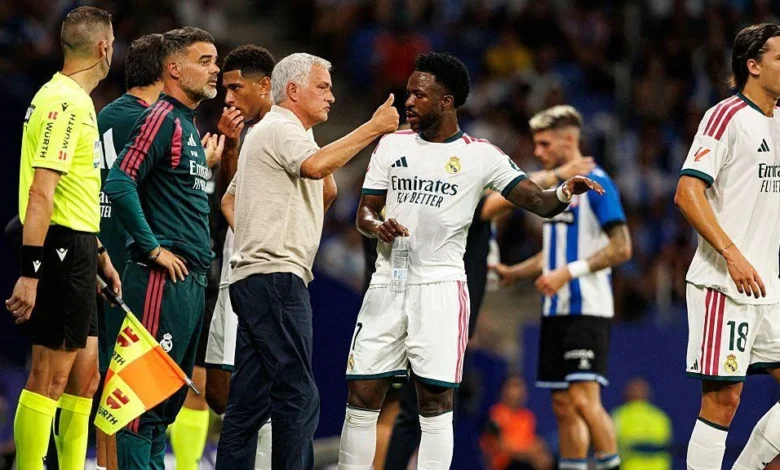
MADRID — The return of Jose Mourinho to the Santiago Bernabeu dugout, once heralded by the club’s hierarchy as a definitive masterstroke to restore domestic dominance, has rapidly devolved into a crucible of tactical discontent and mounting sporting crisis. Barely two months into the new LaLiga campaign, Real Madrid finds itself mired in a turbulent phase characterized by lackluster performances, a disjointed playing style, and growing disenchantment among the club’s fiercely demanding fan base.
Following consecutive seasons of surrendering the LaLiga crown to arch-rivals Barcelona, the Madrid board turned to the seasoned Portuguese tactician to inject steel, discipline, and a winning mentality back into the squad. Yet, the initial returns have fallen alarmingly short of expectations. With two defeats already suffered within their opening seven league fixtures, Los Blancos have slipped to fourth place in the standings, conceding a worrisome six-point deficit to the defending champions at the summit of the table.
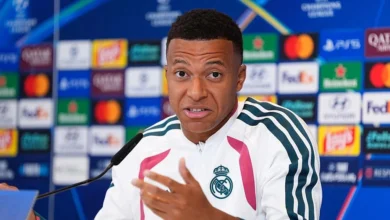
Compounding the anxiety surrounding the Spanish capital club is the palpable lack of structural cohesion on the pitch. Despite boasting a star-studded frontline featuring French phenomenon Kylian Mbappe, Brazilian winger Vinicius Junior, and English playmaker Jude Bellingham, Real Madrid has struggled to assert dominance in the final third. The team has managed a paltry 18 goals across all competitions so far, with summer marquee signing Kylian Mbappe shouldering the burden by netting nearly half (seven) of those conversions.
The waning attacking fluidity and porous defensive structure have not gone unnoticed by former club luminaries. Criticism has reached a crescendo, with calls from former players and pundits alike demanding drastic interventions—ranging from the dismissal of the coaching staff to the benching of misfiring talisman Vinicius Junior.
A Tactical Mismatch Under the Spotlight
The core of the current discontent at Valdebebas centers on the tactical philosophy implemented by Jose Mourinho. Known historically for his pragmatic, counter-attacking setups and rigid defensive blocks, the manager’s approach has starkly contrasted with the historical attacking ethos demanded by the Santiago Bernabeu faithful.
Hipolito ‘Poli’ Rincon, a former Real Madrid striker and a revered figure within Spanish footballing circles, did not mince words when assessing the current state of affairs. In a candid interview on the Ruben Martin YouTube channel, Rincon openly questioned the compatibility of Mourinho’s methodology with the identity of the club.
"I want Mourinho to go because I think he is not good for Real Madrid, not good regarding the team’s style of play, not good for the club, and also not good for the fans," Rincon asserted. "I constantly feel a sense of tension with Mourinho. What I have seen from this Real Madrid team makes me sad, it feels painful… I love Real Madrid."
Rincon’s sentiment reflects a broader anxiety brewing among sections of the Madridista community. While Mourinho’s historical reputation as a winner remains undisputed, modern footballing dynamics at elite clubs demand a delicate balance between result acquisition and entertainment value—a balance that current outings suggest has yet to be struck.
The Vinicius Junior Dilemma
Adding to Mourinho’s growing headaches is the alarming dip in form experienced by Vinicius Junior. The Brazilian winger, who commanded global headlines following an exhaustive contract renewal saga that was finalized in August, has failed to replicate the explosive displays that made him a Ballon d’Or contender in previous seasons.
In his first seven appearances under Mourinho’s stewardship, Vinicius has contributed a meager tally of just one goal and three assists. His on-field body language, coupled with diminished effectiveness in one-on-one duels, has drawn the ire of supporters who expect world-class output commensurate with his status and remuneration.
The situation has sparked a fierce debate regarding player selection policies based on financial valuation versus merit. Rincon directly addressed the narrative surrounding the forward’s guaranteed starting berth, challenging the notion that high-earning superstars are immune to rotation.
"Players should play more or play less depending on salary? When people say that, it gives me a headache. You earn your place on the pitch not because of your paycheck. Just because Vinicius is paid 25 million euros, does that mean he has to play? No, I would bench him," Rincon declared firmly.
"You know what you have to do? Run more, fight harder, contribute more, dribble more, create more assists, score more goals. It is as simple as that," added the former LaLiga and Copa del Rey winner.
Background Context: The Anatomy of a High-Stakes Appointment
To understand the magnitude of the current crisis at Real Madrid, one must examine the context under which Jose Mourinho was re-appointed. Following a period of transition and domestic instability, the club hierarchy sought a personality strong enough to manage a fiercely competitive dressing room while simultaneously dismantling Barcelona’s domestic hegemony.
Mourinho’s arrival was billed as a homecoming of sorts, invoking memories of his previous, highly polarized tenure at the Bernabeu between 2010 and 2013. During that initial spell, the Portuguese manager successfully broke Barcelona’s dominance under Pep Guardiola, securing a historic 100-point LaLiga title in 2012. However, that era was also defined by intense dressing room friction, media battles, and a fractured relationship with several senior squad members.
When club president Florentino Perez moved to bring Mourinho back, the gamble was calculated: sacrifice stylistic aesthetics, if necessary, for guaranteed silverware. Yet, modern football has evolved rapidly over the past decade. Opposing managers in LaLiga have become increasingly adept at neutralizing low-block defenses and exploiting transitional spaces, leaving Mourinho’s traditional tactical blueprints vulnerable to tactical counter-presses.
The 2024/25 Season Chronology: A Troubled Trajectory
The warning signs of a difficult campaign were evident even during pre-season preparations, where integration issues among the newly assembled Galacticos became apparent.
- August: Real Madrid officially resolved the protracted contract extension negotiations with Vinicius Junior, securing the winger’s services on a lucrative long-term deal. Hopes were high that this financial security would translate into peak on-field performance. However, early league fixtures immediately exposed defensive frailties and a lack of midfield control.
- Early September: Consecutive draws against mid-table opposition raised eyebrows, forcing the coaching staff to tinker with the tactical formation, oscillating between a 4-3-3 and a more conservative 4-2-3-1 setup to accommodate both Mbappe and Vinicius.
- Mid-September to Early October: Back-to-back defeats in high-stakes fixtures laid bare the vulnerabilities of the squad. The losses not only damaged morale but also allowed Barcelona to establish a comfortable cushion at the top of the league table.
- Present Day: Internal discussions within the club regarding squad rotation, tactical flexibility, and accountability have intensified. Punditry criticism, led by former players like Rincon, has pushed the crisis into the public eye, creating an atmosphere of palpable urgency ahead of the upcoming fixtures.
Broader Impact and Strategic Implications
The mounting pressure on Jose Mourinho carries profound implications for Real Madrid’s season trajectory and long-term strategic vision. At a club of Real Madrid’s stature, patience is a notoriously scarce commodity. Consecutive seasons without a major domestic title are treated as an institutional failure, and a deficit of six points in October, while mathematically surmountable, represents a psychological hurdle for a squad unaccustomed to playing catch-up.
From a sporting perspective, the tactical deadlock must be resolved swiftly. Mourinho faces a defining juncture: either adapt his tactical framework to maximize the dynamic, free-flowing qualities of his world-class attacking talents—particularly Mbappe and Bellingham—or risk losing the support of the dressing room and the fanbase entirely.
Furthermore, the handling of high-profile assets like Vinicius Junior will serve as a litmus test for the manager’s authority. Dropping a marquee player of Vinicius’s stature carries inherent risks of squad discord, yet failing to reward sporting merit risks undermining the competitive integrity of the team selection process.
As Real Madrid prepares for a grueling sequence of domestic and European fixtures, the spotlight remains firmly fixed on the Portuguese tactician. The margin for error has evaporated, and the coming weeks will determine whether Mourinho can engineer another trademark turnaround or if the Santiago Bernabeu will once again become the stage for an abrupt managerial departure.
Related posts: