8 Essential Foot Reflexology Pressure Points and Their Evidence-Based Health Benefits

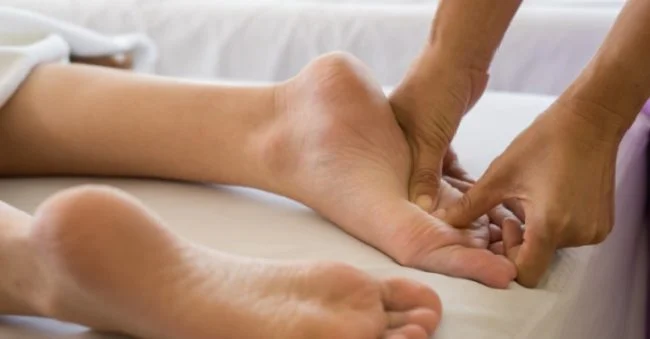
Foot reflexology is a therapeutic practice rooted in ancient healing traditions that has evolved into a widely recognized complementary medicine approach. By applying targeted pressure to specific points on the feet—which are believed to correspond to various organs, glands, and systems within the human body—practitioners aim to stimulate the nervous system and promote systemic physiological balance. While modern medical science continues to investigate the mechanisms behind these claims, clinical observations and historical records suggest that reflexology serves as an effective tool for stress reduction, pain management, and the enhancement of overall well-being.
The Historical Context and Mechanism of Reflexology
The origins of reflexology can be traced back to ancient Egyptian and Chinese civilizations, where foot manipulation was utilized to maintain physical health. In the early 20th century, Dr. William H. Fitzgerald introduced "Zone Therapy" to the Western world, proposing that the body is divided into ten longitudinal zones. This framework suggests that congestion or tension in any part of a zone can be relieved by manipulating the corresponding area on the foot.
Physiologically, experts posit that reflexology works through the "gate control theory" of pain. By stimulating specific nerve endings in the feet, the brain receives sensory input that can block or override pain signals, effectively inducing a parasympathetic nervous system response. This shift from "fight or flight" mode to "rest and digest" mode explains the profound relaxation reported by individuals undergoing reflexology sessions.
1. Addressing Insomnia and Improving Sleep Quality
Sleep disorders, particularly insomnia, remain a significant public health concern. Data from the National Sleep Foundation indicates that a large percentage of adults experience sleep-related challenges that impact their daily productivity and cardiovascular health. Reflexology is frequently cited as a non-pharmacological intervention to assist with sleep onset.
By applying gentle, rhythmic pressure to the solar plexus point—located in the center of the ball of the foot—individuals can trigger a relaxation response. Research suggests that regular sessions can help lower cortisol levels, the body’s primary stress hormone, thereby facilitating a more seamless transition into restorative sleep cycles.
2. Management of Musculoskeletal Fatigue and Leg Pain
The feet are responsible for supporting the entire weight of the human body, making them highly susceptible to fatigue, inflammation, and muscle strain, particularly in individuals with sedentary or high-impact lifestyles. Foot reflexology focuses on the arch and heel regions to address these issues.
The systematic application of pressure to the medial longitudinal arch is believed to stimulate the lymphatic and circulatory systems. Enhanced blood flow to the lower extremities helps flush out metabolic waste products like lactic acid, which are primary contributors to post-activity soreness and swelling.

3. Boosting Vitality and Energy Levels
In an era where caffeine dependence is prevalent, many individuals seek natural alternatives to sustain energy levels. Reflexology offers a mechanism to combat fatigue by targeting the adrenal and kidney reflex points. The adrenal gland point is located just below the ball of the foot, toward the center. By massaging this area, practitioners aim to regulate hormonal responses, providing a sustained sense of alertness without the adverse effects associated with high-sugar energy drinks or excessive stimulants.
4. Mitigating Symptoms of Premenstrual Syndrome (PMS)
For many women, the physiological shifts during the menstrual cycle result in significant discomfort, including lower abdominal cramping and mood fluctuations. Reflexology targeting the reproductive reflex points—found around the ankle bone—has been utilized to support hormonal regulation. Clinical studies have indicated that consistent reflexology interventions during the luteal phase can reduce the severity of physical pain and emotional irritability associated with PMS, offering a holistic alternative to traditional analgesic medications.
5. Respiratory Support and Flu Symptom Relief
During seasonal changes, the body’s immune system is often challenged by viral pathogens. While reflexology is not a replacement for medical treatment, it can act as a supportive therapy for respiratory health. The reflex points corresponding to the sinuses and lungs are located on the pads of the toes. Targeted pressure to these areas is theorized to encourage sinus drainage and ease respiratory congestion, helping the body manage symptoms of the common cold or influenza more efficiently.
6. Alleviating Chronic Headaches and Migraines
Tension headaches are often secondary to stress, posture, and muscular tightness in the neck and shoulders. Reflexology addresses these by targeting the base of the big toe, which corresponds to the neck and head region. By releasing tension in the foot’s "neck" zone, individuals often report a concomitant reduction in tension within the upper cervical spine, providing significant relief for those suffering from recurrent headaches.

7. Managing Psychological Distress and Anxiety
The intersection of mental health and physical touch is well-documented in clinical psychology. Reflexology provides a grounding experience that helps individuals manage symptoms of anxiety and mild depression. The area between the big toe and the second toe is associated with the brain and emotional centers. Gentle manipulation of this region can assist in calming the autonomic nervous system, reducing the physical manifestations of anxiety such as rapid heart rate and shallow breathing.
8. Relieving Lumbar and Back Pain
Back pain is one of the most common reasons for clinical consultations globally. The spine reflex point runs along the inner edge of the foot, from the heel to the base of the big toe. By stimulating this "spinal line," individuals can often experience a reduction in lower back tension. This is particularly beneficial for expectant mothers or those who spend prolonged hours at a desk, as it provides a safe, non-invasive method for spinal decompression.
Safety Considerations and Contraindications
While reflexology is generally safe, medical professionals advise caution for specific demographics. Individuals with the following conditions should consult a physician before initiating a reflexology regimen:
- Deep Vein Thrombosis (DVT): Pressure on the legs can dislodge blood clots.
- Severe Foot Infections or Open Wounds: Direct contact can exacerbate local inflammation or introduce pathogens.
- High-Risk Pregnancy: Certain pressure points are traditionally associated with uterine stimulation and should be avoided by pregnant women without guidance from an obstetrician.
- Recent Bone Fractures or Severe Osteoporosis: Mechanical pressure on weakened bone structures poses a risk of injury.
Side effects, while rare, may include temporary lightheadedness, increased urination (due to the stimulation of the kidneys), or mild tenderness in the areas worked. These are generally interpreted by practitioners as signs that the body is responding to the detoxification and stimulation process.

Analytical Perspective: The Future of Integrative Health
The integration of reflexology into modern wellness routines reflects a broader shift toward patient-centered, integrative medicine. While skeptics argue that the efficacy of reflexology is largely attributable to the placebo effect or the psychological comfort of human touch, the undeniable benefit of stress reduction remains a clinical reality.
As healthcare systems move toward proactive health management, techniques like foot reflexology offer a low-cost, accessible, and empowerment-focused tool for individuals. By understanding the foundational reflex points and practicing with care, individuals can take an active role in managing their daily physical and mental health.
In conclusion, while reflexology should not be utilized as a substitute for professional medical diagnosis or treatment for acute or chronic illnesses, it stands as a valuable complementary practice. Its ability to soothe the nervous system and address localized discomfort makes it a versatile tool for maintaining equilibrium in an increasingly stressful modern environment. For those looking to implement this at home, the key lies in consistency, gentle technique, and an acute awareness of one’s own bodily responses.