YouTube Introduces Advanced Co-Host Streaming and AI-Powered Localization Tools to Revolutionize Creator Collaboration

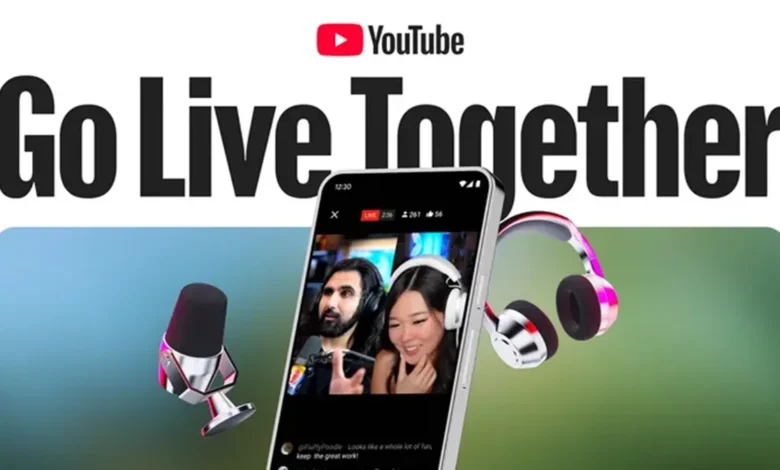
Google-owned video-sharing giant YouTube has officially announced a sweeping suite of updates designed to transform how content creators interact, collaborate, and reach global audiences during live broadcasts. Unveiled as part of the platform’s ongoing creator-focused product roadmap, the new capabilities introduce native co-host streaming without the traditional requirement of third-party software, interactive competitive formats, expanded watch-party options, and real-time artificial intelligence dubbing. These features aim to streamline technical workflows for digital video producers while bridging language barriers for audiences worldwide.
The announcement highlights YouTube’s strategic pivot toward fostering tighter community engagement and reducing the friction involved in cross-channel collaborations. By integrating tools that mirror the seamless, multi-user live environments popularized by short-form video platforms like TikTok and Instagram, YouTube is positioning its desktop and mobile applications as comprehensive, all-in-one broadcast studios. The rollout of these heavily anticipated features is scheduled to begin across global markets in early 2027.
Evolution of the Go Live Together Initiative
The cornerstone of the latest update is a major enhancement to YouTube’s existing "Go Live Together" framework, which previously allowed creators to invite guests onto their streams under limited technical conditions. The newly upgraded system introduces advanced discovery mechanics, allowing hosts to seamlessly locate and invite peer creators directly within the YouTube ecosystem.
Under the updated architecture, creators can utilize a dedicated "Browse" function to actively search for other channels currently broadcasting live. Alternatively, they can leverage a new "Quick-match" algorithm designed to automatically pair broadcasters with peers managing comparable content genres, subscriber tiers, or audience demographics. Once a connection is established through the platform’s interface, both creators can immediately co-host a unified broadcast.
Crucially, this architecture eliminates the historical barrier of third-party encoding and broadcasting software, such as Open Broadcaster Software (OBS) or complicated hardware capture cards. Previously, multi-host streams required technical proficiency in routing audio-video feeds, managing server endpoints, and syncing disparate video signals. By internalizing this capability, YouTube is dramatically lowering the technical threshold for collaborative content creation, enabling smaller independent channels to execute professional-grade co-streaming with minimal hardware investment.
Gamification and Interactive Live Showdowns

To maximize viewer retention and engagement during collaborative broadcasts, YouTube is introducing a gamified feature titled "Live Showdown." This interactive format allows two co-hosting creators to participate in structured, head-to-head competitions directly inside the live stream window.
During a Live Showdown, audience participation is quantified through real-time platform metrics, including live chat activity, digital gifts, and monetary contributions via Super Chat. These inputs are aggregated into a dynamic scoreboard displayed continuously on the screen, reflecting each creator’s performance and audience backing in real time. Industry analysts note that this integration of competitive mechanics leverages psychological engagement drivers proven effective in live-streaming ecosystems globally, transforming passive viewers into active participants who directly influence the broadcast outcome.
Broadening Content Formats with Watch With and Global Reach via AI Dubbing
Beyond standard live-stream collaborations, YouTube is expanding its "Watch With" feature set. Originally limited strictly to real-time broadcasts, the functionality is now being extended to a wide variety of qualifying long-form pre-recorded videos. This allows creators to host synchronized viewing sessions, reactions, and commentary tracks with their audience around cataloged content, fostering deeper community interaction outside of scheduled live windows.
Simultaneously, YouTube is addressing the linguistic fragmentation of its global user base through the introduction of real-time AI live auto-dubbing. This sophisticated translation tool translates a creator’s spoken words instantaneously during a live broadcast, generating synthesized audio tracks in multiple target languages.
Internal metrics released by YouTube underscore the commercial and strategic necessity of this feature: more than 40 percent of total live-streaming watch time on the platform originates from audiences located outside the creator’s home country. Historically, language barriers restricted international growth for regional creators. By deploying real-time AI dubbing at scale, YouTube aims to dismantle geographical boundaries, enabling creators to monetize broader, international viewer cohorts without investing in dedicated translation or localization teams.
Chronology and Strategic Timeline
The introduction of native co-hosting and AI localization tools represents the culmination of a multi-year product development cycle aimed at unifying YouTube’s diverse content surfaces.

In late 2024 and throughout 2025, YouTube prioritized asynchronous collaboration through features like the standard "Collaboration" tag and multi-audio track uploads for long-form videos. These initial steps laid the technical groundwork for handling shared metadata and synchronized video assets across multiple accounts.
By mid-2026, internal testing of the upgraded Go Live Together infrastructure began with select creator cohorts, focusing on latency reduction and mobile-desktop cross-compatibility. The public unveiling of these tools sets the stage for a phased global rollout scheduled to officially commence in early 2027. Market observers anticipate that initial access will be granted to verified partners and channels meeting specific standing requirements before scaling to the broader creator community.
Industry Implications and Competitive Landscape
The rollout of native co-hosting and AI translation tools carries profound implications for the digital creator economy and the competitive dynamics of the live-streaming sector.
For years, platforms such as Twitch, Instagram Live, and TikTok have maintained distinct advantages in specific content categories. Twitch has dominated long-form gaming and interactive streaming, while TikTok and Instagram pioneered effortless, spontaneous dual-creator live sessions from mobile devices. By integrating both spontaneous co-hosting and advanced monetization-linked gaming features into its established video ecosystem, YouTube is aggressively encroaching upon territory previously held by short-form rivals.
Furthermore, the integration of real-time AI dubbing signals a broader industry shift toward frictionless global distribution. Traditional media companies spend millions of dollars annually on localized dubbing and subtitling. By placing automated, real-time linguistic translation directly into the hands of independent digital creators, YouTube is democratizing global reach.
From an economic perspective, these features are expected to drive higher average watch times and bolster engagement metrics across the platform. Increased collaboration naturally leads to audience cross-pollination, allowing creators to pool their follower bases and accelerate subscriber growth. For advertisers, higher engagement during live events—particularly those amplified by interactive elements like Live Showdowns and Super Chats—translates into more valuable inventory and higher potential return on investment for brand partnerships.
As the official early 2027 release date approaches, industry stakeholders will closely monitor how YouTube manages server load, latency, and content moderation across complex, multi-user live environments. If successfully executed, the platform’s new suite of collaborative and localization tools may redefine the operational baseline for professional content creation in the digital age.