PT MRT Jakarta Prepares Major Revitalization of Blok M into an Ultimate Mixed-Use Transit-Oriented Development Hub

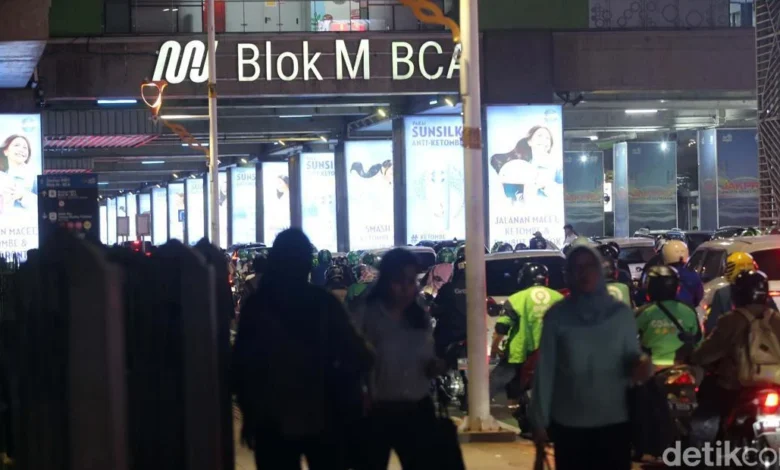
The historic commercial and cultural district of Blok M in South Jakarta is poised for a massive urban transformation as PT MRT Jakarta (Perseroda) rolls out its ambitious roadmap known as the Ultimate Development Blok M. Designed to redefine modern urban living and mobility in the Indonesian capital, the project seeks to convert the bustling transit node into a fully integrated, mixed-use commercial and residential powerhouse. Building upon the early success of the Blok M Hub reactivation initiative launched in recent years, the upcoming revitalization aims to weave together high-density vertical real estate, pedestrian-centric urban design, and state-of-the-art public transportation connections.
The comprehensive plan was detailed by M. Iqbal Bimo Arifianto, Division Head of Property Management at MRT Jakarta, during the MRT Fellowship 2026 Workshop held at JB Tower in Central Jakarta. According to company projections, the holistic redesign will leverage cutting-edge Transit-Oriented Development (TOD) principles to optimize land use, elevate the commuter experience, and attract both domestic and international real estate investment.
From Cultural Icon to Modern Transit Hub: The Background Context
Blok M has long held a legendary status in the collective memory of Jakartans. Throughout the 1980s and 1990s, the neighborhood served as the epicenter of youth culture, fashion, and commerce in South Jakarta, anchored by the iconic Melawai area and sprawling shopping centers. However, as the city expanded and new commercial districts emerged in other parts of the metropolis, parts of Blok M experienced a gradual decline, marked by aging infrastructure and shifts in consumer behavior.
The modern renaissance of Blok M began with the arrival of the MRT Jakarta North-South Line, which established the Blok M BCA Station as a vital anchor point for daily commuters. Recognizing the immense potential of the station surroundings, city stakeholders initiated targeted activation programs to breathe new life into the precinct. These efforts transformed the area into a thriving ecosystem for Micro, Small, and Medium Enterprises (MSMEs), culinary ventures, lifestyle brands, and vibrant youth communities.
Recent operational data underscores the rapid resurgence of the neighborhood. Following more than 100 days of intensive area activation, daily pedestrian and commuter traffic at the Blok M Hub has surged to an impressive 25,000 visitors. This remarkable foot traffic laid the foundation for MRT Jakarta to transition from short-term placemaking interventions to a permanent, large-scale structural overhaul under the Ultimate Development Blok M framework.
The 3A 1C Planning Approach and Mixed-Use Integration
At the core of the Ultimate Development Blok M strategy is a rigorous urban planning framework known as the 3A 1C approach: Accessibility, Amenities, Attraction, and Community. This methodology governs every layer of the master plan, ensuring that physical structures harmonize with human activity.
Accessibility focuses on strengthening multimodal transport integration, seamlessly connecting the MRT station with regional buses, pedestrian walkways, and cycling lanes. Amenities involve the creation of robust public spaces, green infrastructure, and community facilities that cater to diverse socioeconomic demographics. Attraction centers on curating retail, dining, and cultural offerings that maintain Blok M’s distinct identity, while Community emphasizes active collaboration with local creative groups, businesses, and residents to ensure grassroots engagement in the district’s evolution.
The physical realization of this vision will see the district transformed into a high-density, mixed-use environment. While specific architectural renderings are being finalized ahead of a major public unveiling, company executives have confirmed that the master plan envisions the construction of modern vertical towers housing apartments, hotels, and premium commercial spaces.
Crucially, the project is designed to serve as a national benchmark for modern terminal management, prioritizing pedestrian pathways over vehicular congestion. By shifting the spatial hierarchy to favor people on foot, MRT Jakarta intends to eliminate the pedestrian bottlenecks that traditionally plagued legacy transit hubs in Indonesian cities.
Strategic Partnerships and Asset Optimization
The scale of the Ultimate Development Blok M extends far beyond the immediate boundaries of the current Blok M Hub. To achieve true systemic integration, MRT Jakarta has initiated high-level coordination with surrounding commercial landmarks, including Blok M Square and the historic Pasaraya department store. Discussions are underway to explore physical and economic linkages between these legacy assets and the new developments, ensuring that the entire precinct functions as a cohesive urban ecosystem.
This comprehensive approach also forms a cornerstone of MRT Jakarta’s broader corporate mandate: optimizing real estate assets belonging to the Jakarta Provincial Government (Pemprov DKI Jakarta). By leveraging municipal land assets around mass rapid transit nodes, the city aims to generate sustainable non-fare box revenues while simultaneously addressing urban housing and commercial demands.
To execute this capital-intensive vision, MRT Jakarta is casting a wide net for strategic investors and private sector partners. Company representatives acknowledge that upcoming phases of the revitalization will involve heavy civil engineering and high-rise construction, necessitating robust financial backing.
International Investor Outreach and the Singapore Forum
Financing a project of this magnitude requires tapping into global capital markets. As part of its international outreach strategy, MRT Jakarta has actively engaged foreign investors through platforms such as the TOD Investment Forum 2026, held in Singapore.
The forum served as a vital bridge connecting Indonesian urban infrastructure projects with international real estate funds, sovereign wealth entities, and global architectural firms. According to Bimo, the initiative has already yielded promising results, drawing keen interest from international stakeholders, including prominent institutional investors and urban development firms based in Hong Kong.
Beyond capital acquisition, these international engagements facilitate critical knowledge transfers. Collaborating with foreign partners allows Indonesian planners to benchmark local TOD projects against global gold standards established in cities like Tokyo, Hong Kong, and Singapore, where transit integration and high-density real estate co-exist harmoniously.
Broader Implications for Jakarta’s Urban Landscape
The Ultimate Development Blok M is not an isolated initiative; it represents a critical pilot project within Jakarta’s broader transition toward a polycentric, transit-driven metropolis. As the city grapples with chronic traffic congestion and the environmental pressures of rapid urbanization, the success of transit-oriented development will determine the long-term liveability of the capital region.
Urban planning experts note that successful mixed-use TOD projects generate a multiplier effect across the local economy. By concentrating housing, employment, and recreation around high-capacity transit corridors, cities can significantly reduce private vehicle dependence, lower carbon emissions, and enhance overall productivity. Furthermore, integrating MSMEs and local retail into the commercial fabric of the new towers ensures that historical economic actors are not displaced by modernization, preserving the unique cultural fabric that defines Blok M.
Expanding the TOD Roadmap Across the Capital
While Blok M stands out as the crown jewel of the current development cycle, MRT Jakarta’s master plan encompasses a series of ambitious urban renewal projects distributed across the city’s rapid transit network. The broader corporate roadmap includes several major interventions scheduled for progressive rollout:
- Kali Besar Heritage: A historical urban restoration project aimed at revitalizing colonial-era water channels and surrounding public spaces in West Jakarta, integrating heritage tourism with modern pedestrian infrastructure.
- Blok M Interchange: A specialized transportation nexus designed to optimize commuter transfers between underground rail networks and surface-level transit systems.
- XGL Mixed-Use: A strategic commercial and residential development project aimed at capturing high-value real estate demand along key transit corridors.
- Lebak Bulus Interchange Bus Terminal, Park and Ride, and Mixed Use: A comprehensive redevelopment of the southern terminus of the MRT line, transforming the legacy bus station and parking facilities into a vibrant multi-modal hub complete with residential and commercial towers.
Looking ahead, the upcoming months are expected to bring formal announcements regarding groundbreaking ceremonies and private-sector partnerships for the Blok M project. As Jakarta continues its evolution into a globally competitive megacity, the transformation of Blok M will serve as a defining test case for how historic urban districts can successfully reinvent themselves for the twenty-first century.