Vivo Expands Ecosystem with Launch of Watch 6, Buds Clip and Pad 6 Pro in Shanghai

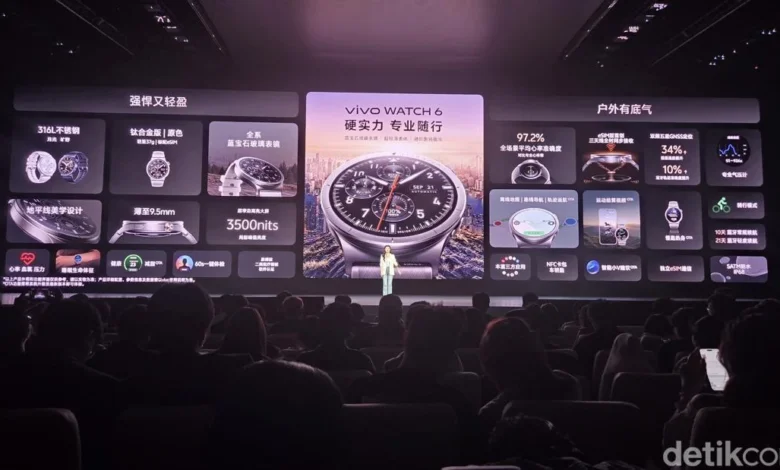
The technology landscape in China witnessed a significant shift on September 21, 2026, as Vivo officially unveiled a robust suite of peripheral devices alongside its highly anticipated X500 smartphone series. The launch event, hosted at the West Bund Convention Centre in Shanghai, served as a strategic demonstration of the company’s intent to deepen its presence in the interconnected smart device market. By introducing the Vivo Watch 6, Vivo Buds Clip, and the powerful Vivo Pad 6 Pro, the manufacturer is clearly moving to harmonize its hardware ecosystem, ensuring that users of their flagship smartphones have access to a fully integrated digital environment.
This expansion comes at a time when consumer demand for seamless cross-device functionality—often referred to as the "connected experience"—has reached an all-time high. Vivo’s decision to showcase these accessories alongside their flagship X500, X500 Pro, and X500 Pro Max models underscores a calculated move to compete directly with established industry leaders who have long relied on ecosystem lock-in to retain customer loyalty.
A Chronology of the September 21 Event
The evening in Shanghai was structured to highlight the synergy between mobile telephony and auxiliary hardware. The presentation began with the unveiling of the X500 series, the company’s primary revenue driver. However, the subsequent segment, dedicated to the peripheral ecosystem, shifted the narrative toward lifestyle integration.
Following the core smartphone announcements, the company transitioned to the Vivo Watch 6, emphasizing its role as a health and connectivity hub. This was followed by the unveiling of the Buds Clip, a departure from traditional audio design, and finally, the high-performance Pad 6 Pro, which targets the professional and creative demographic. This sequence allowed Vivo to position its new hardware as an extension of the primary smartphone experience, rather than as disparate, unrelated gadgets.
Vivo Watch 6: Merging Aesthetics with Advanced Biometrics
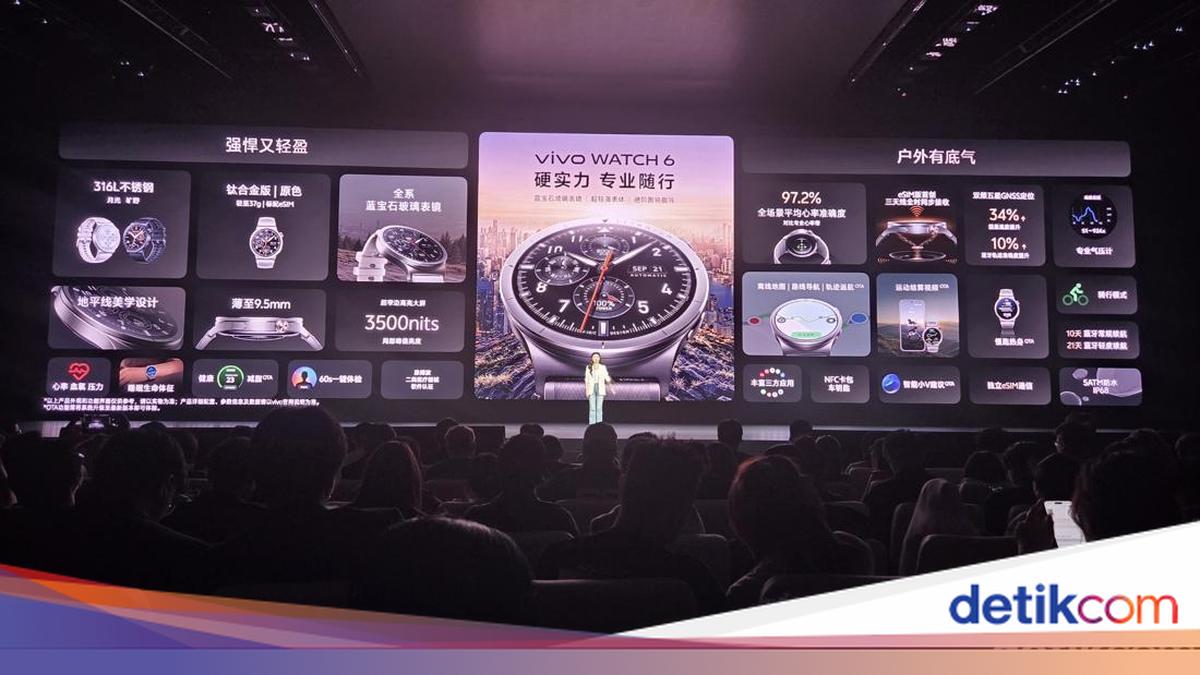
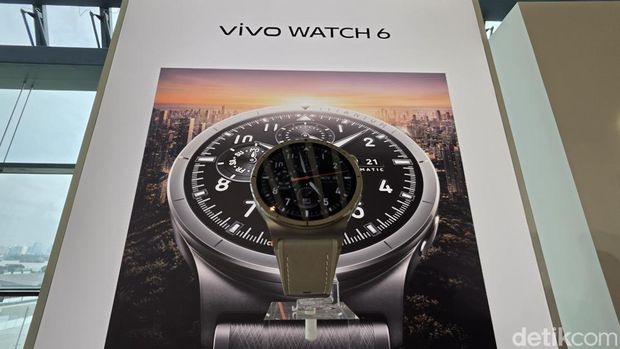
The Vivo Watch 6 arrives as a refined iteration of the company’s wearable technology, featuring a build quality that targets the premium segment of the market. Constructed with a titanium alloy chassis and protected by a sapphire crystal display, the device aims to bridge the gap between high-fashion timepieces and functional smart technology.
From a technical standpoint, the Watch 6 is notably thin at 9.5mm and weighs only 37 grams, a design choice intended to ensure comfort during prolonged use, including sleep tracking. The integration of BlueOS 4 is perhaps the most significant software upgrade, as it is designed to facilitate deeper synchronization with the Vivo smartphone ecosystem.
Beyond standard fitness metrics, the Watch 6 introduces specific optimizations for endurance athletes, including advanced cycling and running guides. The "Workout Recap Video" feature is a novel inclusion, utilizing data synthesis to provide users with a dynamic, visual summary of their physical exertion. With a peak brightness of 3,500 Nits, the display remains legible under direct sunlight, while the inclusion of GPS, NFC, and a 5 ATM water resistance rating brings it up to par with global standards for high-end wearables. Priced at 999 Yuan for the standard model and 1,399 Yuan for the eSIM-enabled version, Vivo is pricing this device aggressively to capture market share from competitors like Apple and Samsung.
Vivo Buds Clip: Redefining Open-Ear Audio
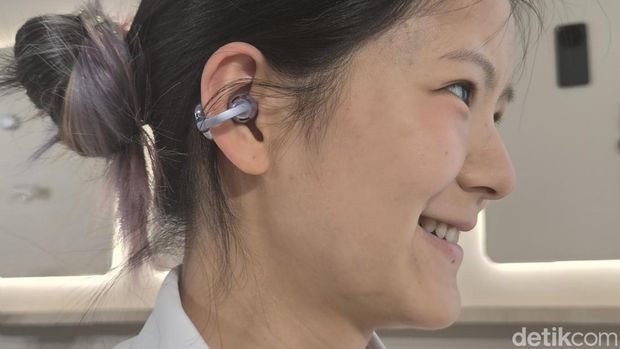
The introduction of the Vivo Buds Clip marks a pivot in the company’s audio strategy. Moving away from the saturated in-ear TWS (True Wireless Stereo) market, the Buds Clip employs an "ear-clip" design. This form factor is designed for users who prioritize situational awareness, allowing ambient sound to enter the ear canal while simultaneously delivering audio.
Weighing just 5.2 grams, the device prioritizes ergonomics, aiming to solve the common fatigue issues associated with traditional ear tips. The focus here is on "High-Definition Vocal Clarity," suggesting that the Buds Clip is specifically tuned for voice calls, video conferencing, and podcasts rather than just heavy bass-driven music playback. The introduction of "Three-Device Connectivity" further emphasizes the push toward a multi-screen lifestyle, allowing the user to switch seamlessly between a smartphone, the new Pad 6 Pro, and a laptop. At 599 Yuan, the Buds Clip is positioned as an accessible, lifestyle-oriented accessory.
Vivo Pad 6 Pro: Professional-Grade Productivity
The Pad 6 Pro serves as the cornerstone of Vivo’s professional ecosystem. Initially launched in regional Chinese markets, its international spotlight in Shanghai reinforces its status as the company’s most powerful tablet to date.
The device features a massive 13.2-inch 4K display, boasting a resolution of 3,840 x 2,512 pixels and a 144Hz refresh rate. By utilizing a 3:2 aspect ratio, the tablet is clearly optimized for productivity rather than just media consumption, providing more vertical screen real estate for document editing and multitasking. The display’s support for Dolby Vision and a P3 wide color gamut makes it a viable tool for professional photo and video editing.
Under the hood, the Pad 6 Pro is powered by the Snapdragon 8 Elite Gen 5 chipset, a 3nm processor that represents the current pinnacle of mobile computing power. With up to 16GB of RAM and 512GB of internal storage, the tablet is built to handle intensive tasks such as 4K video rendering. The "Atomic Workbench" feature, which allows for the simultaneous use of five app windows, is a direct response to the "PC-class" performance demands of modern remote workers. Supported by a 13,000 mAh battery, the tablet is designed for all-day reliability. Priced at 4,499 Yuan, it is positioned as a direct competitor to high-end tablets from Huawei and Apple.
Market Analysis and Strategic Implications
The rapid expansion of the Vivo ecosystem carries significant implications for the mobile industry. In the current economic climate, manufacturers are increasingly finding that selling a standalone smartphone is insufficient to maintain long-term consumer interest. By creating a unified hardware ecosystem, Vivo is aiming to increase the "switching cost" for its users; once a customer is invested in the BlueOS environment, the convenience of seamless synchronization—from the watch on their wrist to the tablet on their desk—makes them less likely to migrate to a competing brand.
Industry analysts note that Vivo’s move is also a hedge against the plateauing smartphone market. As smartphone hardware reaches a point of diminishing returns in terms of innovation, peripheral devices—wearables, tablets, and audio gear—have become the new frontier for growth. By focusing on design elements like titanium alloys, sapphire glass, and high-performance silicon, Vivo is signaling a desire to shed the "budget-friendly" image and establish itself as a premium, holistic technology brand.
However, the challenge remains in global distribution. While the current pricing and specifications reflect the Chinese market, the success of this ecosystem will depend heavily on how Vivo adapts these products for international regions. The integration of local services and the availability of the BlueOS platform in diverse markets will be the ultimate test of the company’s scalability.
As the tech industry looks toward the final quarter of 2026, Vivo has successfully set the stage for a busy period of global rollouts. The company has demonstrated that it is no longer just a smartphone maker, but an architect of an integrated digital ecosystem. Whether these new devices can disrupt the established dominance of incumbent leaders in the global market will depend on how effectively the company can convey the value of this integration to consumers beyond China. For now, the hardware specifications and the sheer ambition of the product lineup suggest that Vivo is prepared for a long-term battle for the consumer’s wrist, ears, and workspace.