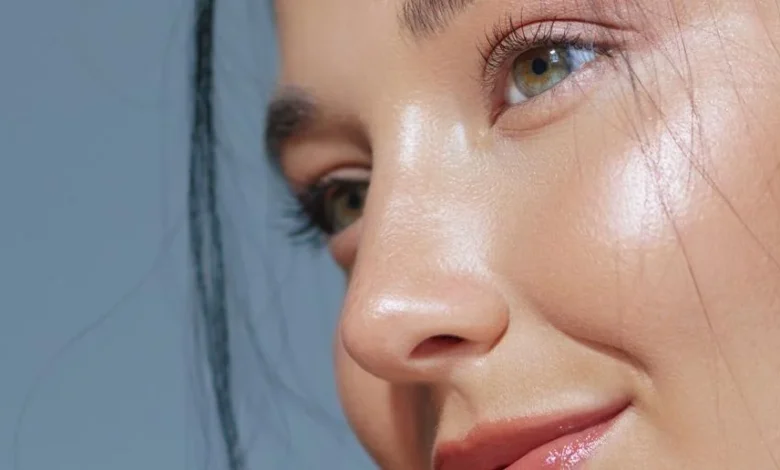
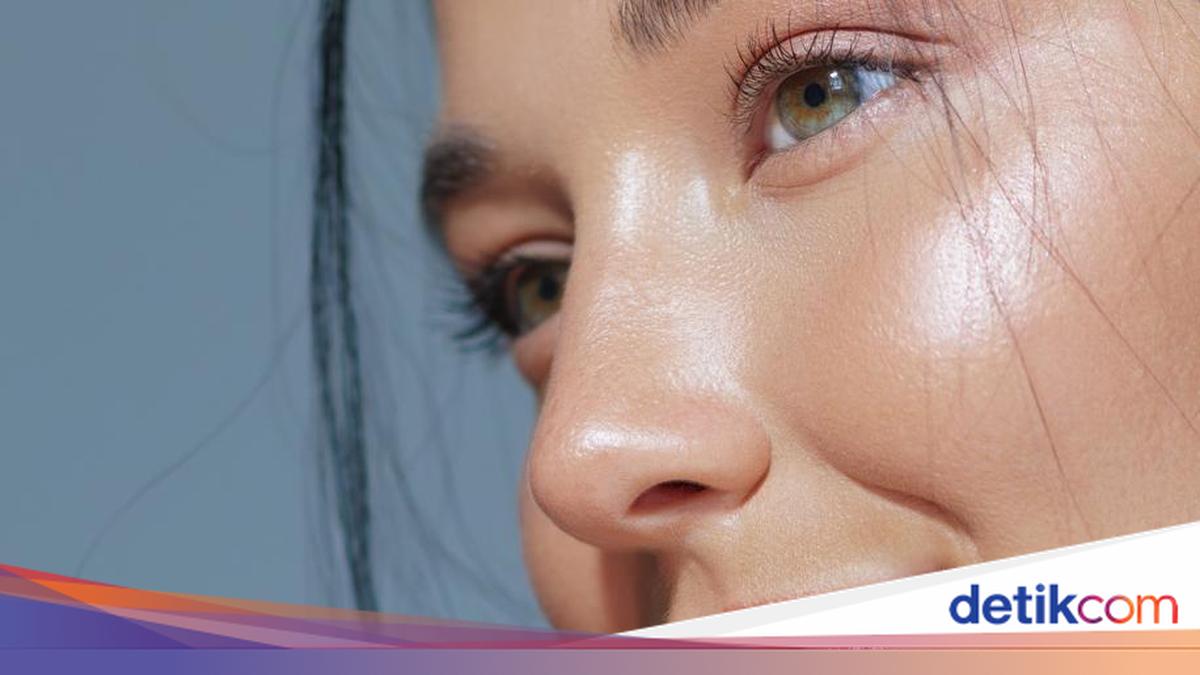
The global aesthetic industry has long been captivated by international beauty standards, with the South Korean phenomenon known as "glass skin" remaining one of the most coveted complexions in modern dermatology. Characterized by an ultra-smooth, poreless, intensely hydrated, and luminous finish that seems to reflect light, the pursuit of glass skin has historically driven massive consumer spending on multi-step topical skincare routines, essences, and serums. However, as medical aesthetics continues to evolve past surface-level maintenance, the trend has migrated from bathroom vanity cabinets into clinical treatment rooms. Today, dermatologists and aesthetic practitioners worldwide are reporting a surge in demand for specialized micro-injections marketed broadly as "glass skin skin boosters." This clinical evolution promises patients a shortcut to achieving deep cellular hydration and an internal glow that traditional topicals cannot replicate. Yet, as the procedure gains widespread popularity across metropolitan clinics from Seoul to Jakarta, leading medical professionals are stepping forward to demystify the treatment, establish realistic patient expectations, and separate clinical reality from heavily filtered digital illusions.
To understand the mechanics of the modern skin booster trend, one must first examine the fundamental science and clinical definition of the procedure. Unlike traditional dermal fillers—which utilize cross-linked hyaluronic acid to structurally reshape facial contours, add volume, and correct deep structural deficits—skin boosters operate entirely on a different physiological level. According to Dr. Ramsha Riaz, an aesthetic specialist at Bionix Clinic, glass skin boosters fall strictly under the category of skin quality enhancement treatments. These procedures are deliberately formulated to refine cellular health, restore moisture balance, and improve overall cutaneous texture without fundamentally altering a patient’s facial anatomy or structural proportions.
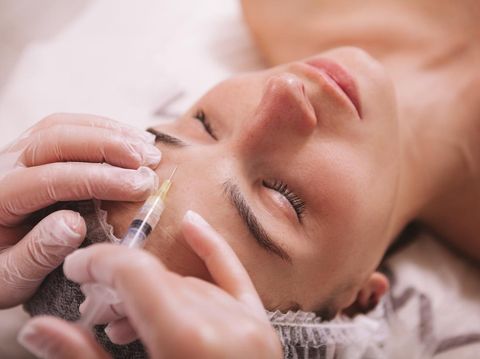
Elaborating on the chemical composition, Dr. Nihal Hussein, a DHA and MOH-licensed aesthetic physician and wellness practitioner at Shookra Longevity & Aesthetics, explains that the procedure involves the precise micro-injection of soft, non-cross-linked hyaluronic acid directly into the superficial layers of the dermis. Because hyaluronic acid is a naturally occurring polysaccharide within the human body renowned for its exceptional water-binding capacity, its primary function upon injection is to attract and retain significant volumes of moisture. Dr. Hussein emphasizes that patient education is paramount during initial consultations, as individuals frequently conflate the procedure with volumizing fillers. By introducing non-cross-linked hyaluronic acid straight into the dermal matrix, practitioners are effectively delivering a high-potency internal moisturizer that targets dehydration at its core rather than simply masking surface dryness with heavy creams or occlusive emollients.
The biological timeline and mechanism of action following a glass skin booster session unfold in two distinct, scientifically predictable phases. During the initial weeks immediately following the procedure, patients experience an immediate surge in cellular hydration. The injected hyaluronic acid molecules bind water within the dermal tissue, instantly plumping the skin, smoothing out micro-dryness, and imparting a fresh, supple, and dewy appearance. However, the therapeutic benefits do not stop at superficial water retention. In the subsequent six to eight weeks, the mechanical micro-trauma of the injections and the presence of the active compounds stimulate local fibroblasts—the specialized connective tissue cells responsible for synthesizing structural proteins. This biological stimulation triggers the production of fresh collagen and elastin fibers, progressively enhancing skin firmness, resilience, and elasticity over time. This dual-action pathway successfully bridges the gap between surface hydration and deep structural rejuvenation.
Despite the compelling biological mechanisms and the undeniable improvements in skin texture and radiance, medical experts stress the importance of managing consumer expectations regarding the actual visual outcome. The term "glass skin" itself is largely a marketing construct popularized by social media platforms, heavily dependent on a confluence of advantageous genetics, strategic studio lighting, professional makeup application, and digital photo-editing filters. Dermatologists are unified in cautioning patients that no injectable substance on the market can completely eradicate pores, erase deep-set expression lines, or deliver the absolute perfection portrayed online. Pores may appear visually diminished as a direct result of improved dermal hydration and enhanced skin elasticity, but their baseline anatomical structure remains unchanged. Furthermore, patients presenting with advanced hyperpigmentation, severe scarring from acne, or deep structural wrinkles will require targeted combination therapies, such as chemical peels, energy-based laser devices, or specialized medical-grade topicals, rather than relying solely on a skin booster protocol.
Achieving optimal, long-lasting results from glass skin booster treatments also requires a disciplined chronological commitment that extends far beyond a single clinical visit. Medical consensus dictates that a one-off session is fundamentally insufficient for patients seeking sustained improvements in skin quality. Dr. Hussein outlines a standard clinical protocol that typically begins with an initial series of two to three separate treatment sessions spaced approximately four weeks apart to build cumulative structural reserves within the dermis. Following this foundational loading phase, patients must transition to a structured maintenance schedule, requiring follow-up appointments every six to nine months depending on the specific product formulation utilized, the individual patient’s metabolic rate, and their unique skin biology. This phased timeline ensures that the concentration of dermal hyaluronic acid remains stable, thereby sustaining the continuous stimulation of collagen-producing fibroblasts and preserving the radiant, well-hydrated complexion over the long term.
From a practical recovery and safety perspective, skin boosters are widely classified as minimal-downtime procedures, making them highly accessible for working professionals and individuals with demanding schedules. Because the technique involves superficial micro-injections distributed evenly across the treatment zones, common immediate side effects are typically mild and transient. Patients frequently report temporary localized micro-papules or small bumps at the injection sites, mild erythema, slight swelling, or minor bruising. These localized inflammatory responses generally resolve spontaneously within twenty-four to seventy-two hours, allowing individuals to resume their normal daily activities and skincare regimens with minimal disruption. However, medical professionals advise strict adherence to post-treatment care guidelines, which typically include avoiding heavy makeup application, refraining from strenuous physical exercise, and omitting active chemical exfoliants for the first few days following the procedure to minimize the risk of infection or prolonged irritation.
The broader implications of the glass skin booster trend reflect a significant paradigm shift in consumer preferences toward preventative, skin-health-centric aesthetics rather than dramatic surgical transformations. As modern consumers become increasingly sophisticated and well-educated regarding cosmetic procedures, the demand has decisively pivoted toward treatments that prioritize natural luminosity, skin longevity, and biological enhancement over artificial volume. This shift has also prompted regulatory scrutiny and calls for heightened ethical transparency within the aesthetic medicine sector. Ethical practitioners are increasingly tasked with pushing back against unrealistic patient demands fueled by viral beauty trends, prioritizing comprehensive consultations and honest anatomical assessments over commercial sales quotas. Ultimately, while skin boosters represent a highly effective, scientifically validated method for restoring deep hydration, improving skin texture, and generating a healthy, youthful glow, they must be understood by the public as a powerful medical tool for skin quality optimization rather than a miraculous, filter-like cure-all for every dermatological concern.
Related posts: