Ensuring Adequate Hydration for Children: Essential Strategies, Age-Based Guidelines, and Health Implications

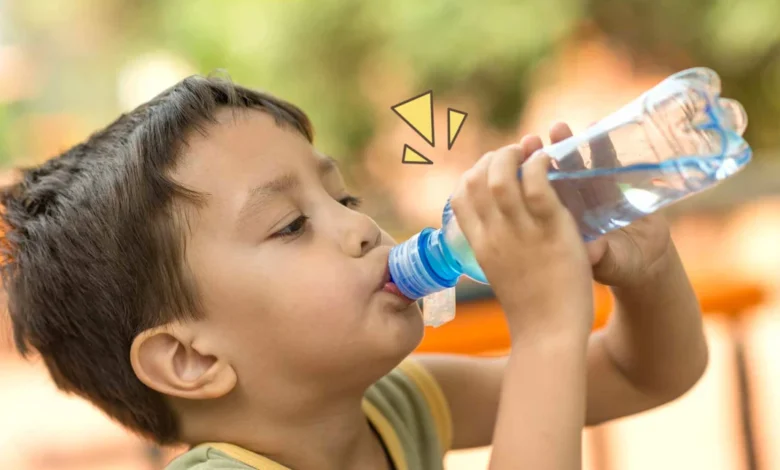
Proper hydration is a foundational pillar of pediatric health that is frequently overlooked in daily routines. While parents meticulously monitor nutritional intake, balanced meals, and vitamin supplements, ensuring that children consume enough fluids often takes a back seat. However, water acts as the vital medium through which nearly every biological system operates, playing a crucial role in maintaining overall physical and cognitive well-being. According to a landmark study published in the American Journal of Public Health, maintaining optimal hydration in children and adolescents is directly linked to sustaining a healthy body weight, minimizing dental decay, and measurably enhancing cognitive performance, including memory, attention, and executive function. Furthermore, maintaining an adequate fluid balance prevents the onset of fatigue and the multifaceted risks associated with dehydration, making vigilance regarding children’s fluid intake an absolute parenting priority.

Children are inherently more vulnerable to fluid deficits than adults. Pediatric physiologies possess a higher percentage of total body water, and children feature a larger surface-area-to-mass ratio, meaning environmental temperatures impact them more severely. Moreover, their boundless energy levels and active lifestyles lead to profuse sweating during play, sports, and school activities, accelerating the depletion of internal fluid reserves. Recognizing this physiological susceptibility, pediatric health organizations emphasize that fluid requirements scale progressively as children grow, transitioning from infancy through adolescence. Medical experts from initiatives such as Healthy Children have outlined specific baseline requirements, though these metrics remain inherently dynamic. Individual needs fluctuate significantly based on ambient temperatures, humidity, underlying health conditions, and the intensity of daily physical exertion. For instance, during vigorous athletic activities where children sweat heavily, experts recommend that youth aged 9 to 12 consume an additional 80 to 230 milliliters of water every twenty minutes to sustain thermal regulation and prevent performance declines.
The physiological consequences of failing to meet these daily fluid thresholds can be severe. Dehydration arises when fluid output surpasses intake, driven by insufficient consumption or excessive loss through perspiration and respiration. According to data compiled by the National Center for Biotechnology Information, the clinical manifestations of pediatric dehydration extend far beyond simple thirst. Mild to moderate deficits can trigger dry mucous membranes, lethargy, dizziness, dark-colored urine, and cognitive confusion. In more acute scenarios, children may experience oliguria—characterized by a marked reduction in urinary output—and tachycardia, a condition wherein the heart rate accelerates beyond normal resting parameters to compensate for diminished blood volume. These physiological strains not only impair immediate physical stamina and mood stability but can also compromise academic engagement and long-term metabolic health. Consequently, pediatricians underscore that maintaining proper hydration is non-negotiable for optimal growth, immune defense, and scholastic performance.

To combat these risks and cultivate lifelong healthy habits, health advocates recommend a multifaceted approach to fluid management that extends beyond merely offering a glass of water. Transforming hydration from a chore into an engaging activity is paramount. Pediatric nutritionists suggest that parents utilize brightly colored, customized drinkware featuring a child’s favorite characters or designs to stimulate interest. Additionally, overcoming a child’s resistance to plain water can be achieved by introducing natural flavor enhancements. Preparing infused water using slices of citrus fruits, berries, cucumbers, or mint leaves allows the natural essences to permeate the liquid, providing a visually appealing and refreshing alternative that entices children to drink willingly without relying on sugary commercial beverages.
Beyond homemade options, specialized functional beverages have emerged to assist parents in managing daily hydration and common childhood discomforts. Products such as Cap Kaki Tiga Anak serve as an early supportive intervention designed specifically for pediatric consumers. Formulated with mineral components like Gypsum Fibrosum and Calcitum, these refreshing solutions are engineered to help cool the body and support fluid balance during hot weather or following intense physical exertion. Notably recognized as the first inner heat relief beverage formulated specifically for children in Indonesia, the product has gained endorsements from medical platforms such as Alodokter, confirming its safety profile and compliance with regulatory standards set by the Indonesian Food and Drug Authority (BPOM). Available in kid-friendly flavors including orange, lychee, and strawberry, and distributed widely through mainstream retailers such as Alfagift, such products offer parents convenient tools to manage children’s hydration while simultaneously addressing symptoms associated with heat-related discomforts, such as dry throats and mild mouth ulcers.
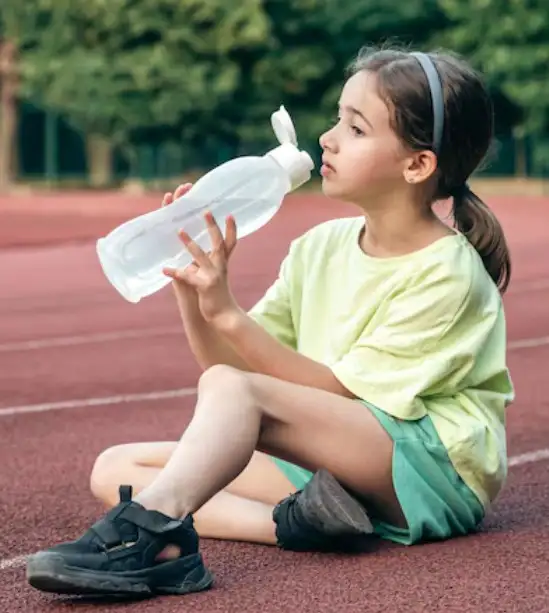
Practical behavioral adjustments further reinforce these dietary measures. Establishing the habit of carrying a portable, lightweight, and safe water bottle—whether attending school, engaging in playground activities, or embarking on family excursions—ensures that hydration opportunities remain perpetually accessible. This accessibility eliminates the barrier of waiting until physical thirst triggers a response, which is often a lagging indicator of mild dehydration. Furthermore, dietary modifications can significantly supplement fluid intake. Incorporating water-dense fruits into daily meal plans and snack routines—such as watermelons, melons, oranges, strawberries, and grapes—provides an efficient mechanism for boosting systemic hydration while delivering essential vitamins, fiber, and antioxidants. This dual-benefit approach allows children to absorb vital fluids organically through digestion without the monotony of constant water consumption.
Education serves as the ultimate long-term safeguard for pediatric health. Experts advise integrating lessons regarding the human body and the necessity of water into everyday learning moments. Utilizing illustrative children’s books, educational videos, and interactive discussions helps demystify why the body requires water and connects hydration habits to the activities children love most, such as running, sports, and arts. By fostering an early, intuitive understanding of wellness, parents empower children to self-regulate their fluid intake as they transition into adolescence and adulthood. Ultimately, bridging the gap between nutritional science and practical parenting ensures that children remain energized, resilient, and fully equipped to thrive in their daily endeavors.