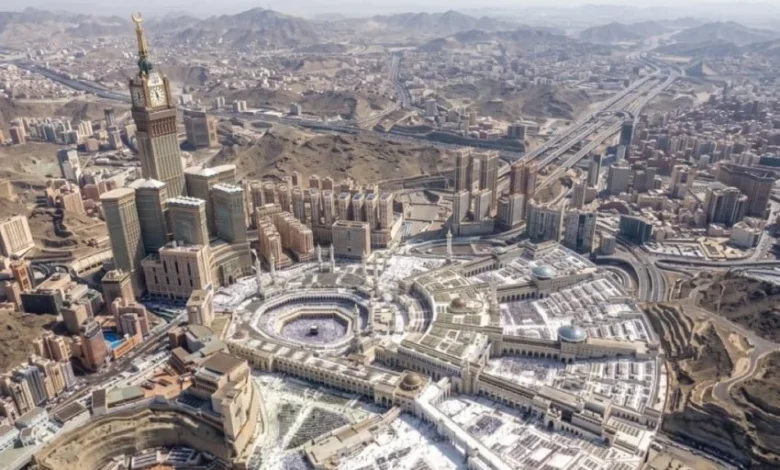
The recent attempted drone strike targeting the holy city of Makkah has sent shockwaves through the Islamic world, reigniting concerns over regional stability and the safety of the holiest sites in Islam. On Wednesday, Pakistan’s Prime Minister, Shehbaz Sharif, issued a vehement condemnation of the attack, describing the incident as a "cowardly and heinous" attempt to disrupt the sanctity of the Kingdom of Saudi Arabia. This latest provocation by the Houthi movement—the Iran-backed rebel group currently controlling parts of Yemen—has once again thrust the geopolitical landscape of the Middle East into a state of heightened alert, raising critical questions about the potential activation of defensive military pacts and the broader implications for regional security.
The Anatomy of the Incident
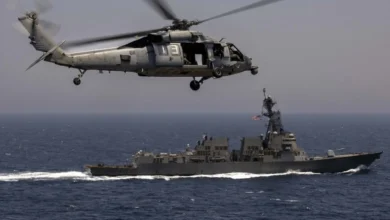
While specific technical details of the interception remain under the purview of Saudi defense intelligence, the attempted strike involved the deployment of Unmanned Aerial Vehicles (UAVs) directed toward the vicinity of Makkah. The Saudi Royal Armed Forces, utilizing a sophisticated network of advanced air defense systems—including the American-made Patriot PAC-3 and THAAD batteries—successfully intercepted and neutralized the incoming threats before they could reach their intended targets.
The professionalism demonstrated by the Saudi military was acknowledged by international observers, including Prime Minister Sharif, who commended the "vigilance, courage, and professional excellence" of the Saudi personnel involved in the interception. Despite the successful thwarting of the attack, the psychological impact of targeting Makkah, a site that holds unparalleled spiritual significance for over 1.8 billion Muslims globally, cannot be overstated.
Historical Context of Houthi Aggression
The Houthi movement, formally known as Ansar Allah, has been engaged in a protracted civil war in Yemen since 2014. Throughout this conflict, the group has consistently expanded its operational range, utilizing ballistic missiles and long-range drones to target Saudi infrastructure, including oil refineries, airports, and, on several occasions, the holy cities of Makkah and Madinah.
For the Saudi-led Coalition, which has been supporting the internationally recognized Yemeni government since 2015, the defense of the Two Holy Mosques is a core pillar of national security policy. Previous attempts by the Houthis to target these sites have historically been met with severe international condemnation and intensified military pressure. The recurrence of such attempts suggests a strategic shift by the Houthi leadership, likely aimed at leveraging religious sentiment to gain regional influence or to pressure the Saudi government into favorable ceasefire terms.
The "Makkah Alliance" and Strategic Defense
The mention of an "Alliance of Makkah" raises complex questions regarding the defense architecture of the Muslim world. While no formal multilateral treaty under that specific name exists in the way that NATO operates, there is a strong framework of bilateral and regional defense cooperation. Pakistan, a nuclear-armed state with one of the world’s largest standing armies, maintains a longstanding military assistance program with Saudi Arabia.
Historically, thousands of Pakistani military personnel have been stationed in the Kingdom for training, advisory, and defensive roles. Similarly, Turkey maintains a strategic military presence in the Gulf and has previously articulated its commitment to the security of the Holy Sites. The question now arises: does this latest act of aggression serve as a catalyst for a more unified, formal security pact?
Analysts suggest that while neither Islamabad nor Ankara is eager to be drawn into a direct, large-scale theater of war in Yemen, the symbolic and religious weight of an attack on Makkah effectively removes the "neutral" option. If the Houthi threat continues to escalate, the "Makkah Alliance"—a loose coalition of nations committed to the defense of Saudi territory—may find itself forced to transition from passive support to active, integrated defense cooperation.

Chronology of Regional Tensions
To understand the severity of the current situation, it is necessary to look at the timeline of the ongoing conflict:
- 2015: The Saudi-led coalition intervenes in the Yemeni Civil War following the Houthi capture of Sana’a.
- 2016-2017: Initial reports emerge of Houthi-launched ballistic missiles being intercepted near Makkah, sparking global outcry from the Organization of Islamic Cooperation (OIC).
- 2019: The Abqaiq–Khurais attack on Saudi oil infrastructure highlights the vulnerability of the Kingdom to sophisticated drone and cruise missile swarms.
- 2022-2023: Periodic ceasefires provide brief windows of stability, yet the Houthi military capabilities continue to evolve through technological support from external actors.
- September 2026: The recent drone attempt occurs, marking a potential return to high-intensity provocations against the Kingdom’s sovereign heartland.
Official Responses and the Path to Diplomacy
Prime Minister Shehbaz Sharif’s statement on the social media platform X emphasized a dual-track approach: robust defense and diplomatic restraint. By calling for "maximum restraint," Sharif is signaling that while the provocation is intolerable, the path toward a long-term solution must remain anchored in diplomacy.
The Saudi government, while maintaining a stance of strength, has historically adhered to international norms by seeking political resolutions to the Yemeni conflict through UN-sponsored mediation. However, the recurring nature of these strikes puts immense domestic pressure on the Saudi leadership to retaliate with greater force. The international community, led by the United Nations, has repeatedly urged all parties to prioritize dialogue, warning that further escalation could lead to a catastrophic humanitarian crisis and the destabilization of global energy markets.
Geopolitical Implications and Regional Stability
The implications of this attack extend far beyond the immediate security of Saudi Arabia. First, it tests the resilience of the Iran-Saudi rapprochement, which had shown signs of progress over the past few years. If the Houthi movement—seen by many as an Iranian proxy—continues to conduct operations that jeopardize the stability of the Gulf, the delicate diplomatic gains made in Beijing could be reversed.
Second, the attack serves as a stress test for the defense manufacturing and surveillance sectors. The need for advanced "counter-UAS" (Unmanned Aerial Systems) technology has never been higher. Nations within the Gulf Cooperation Council (GCC) are likely to accelerate their procurement of directed-energy weapons and AI-integrated radar systems to combat the evolving threat of swarm drones.
Finally, the religious dimension of the attack provides a powerful narrative tool. By targeting Makkah, the Houthis risk alienating even their most sympathetic supporters in the broader Islamic world. The OIC and the Arab League are expected to convene emergency sessions to condemn the breach of the sanctity of the Holy Sites, which could lead to increased diplomatic isolation for the Houthi leadership.
The Road Ahead
As the situation develops, the global community will be watching closely to see if the "Makkah Alliance" rhetoric translates into concrete policy shifts. The defense of Saudi Arabia is not merely a regional matter; it is intrinsically linked to the stability of the global economy and the religious peace of the Muslim world.
For now, the focus remains on containment. Diplomatic channels in Riyadh, Islamabad, Ankara, and beyond are likely working overtime to prevent the situation from spiraling into a wider regional conflict. The message from the international community remains clear: the targeting of Makkah is a red line that, if crossed again, will necessitate a response that could irrevocably alter the balance of power in the Middle East. Whether through increased military cooperation or renewed diplomatic pressure, the coming weeks will be decisive in determining the trajectory of the Yemen conflict and the broader security architecture of the Arabian Peninsula.
Related posts: