

The Strategic Shift: From Capital to Hometown
The decision to establish a culinary presence in Magelang, specifically on Jalan Simpang 4, represents a calculated move that balances professional ambition with regional development. While many chefs utilize their reputation to secure prime real estate in Jakarta’s bustling districts, Arum’s approach focuses on the social and economic integration of her business within her local community.
In her public announcement, Arum addressed the curiosity surrounding her choice of location. She noted that many peers and followers questioned why she would bypass the lucrative market of Jakarta. For Arum, the venture is deeply personal. She articulated that returning to one’s roots is not merely a retreat, but an act of "bringing home" the expertise and experience gained throughout her career. By leveraging her culinary profile, Arum aims to elevate the local food scene in Magelang, effectively bridging the gap between professional-grade culinary experiences and local accessibility.
A Chronology of the Development
The path to this opening has been characterized by careful planning and a deliberate pace. Throughout the first half of 2026, Arum maintained a relatively low profile regarding her specific business intentions, opting instead to finalize her operational strategy in Magelang.

- Early 2026: Arum began scouting locations in Magelang, focusing on areas that allow for both high visibility and community engagement.
- May 2026: The concept for Rame Mie & Coffee Shop was finalized, blending the popularity of noodle-based dishes with the enduring demand for quality coffee culture.
- July–August 2026: Renovation and staffing processes were conducted, with a specific focus on hiring local talent to fulfill the promise of job creation.
- September 15, 2026: The official launch of the establishment was documented across social media channels, drawing significant interest from the culinary industry and local residents alike.
Economic Implications and Local Development
The decision to open a business in a regional city rather than a metropolitan hub carries significant economic implications. According to labor statistics in Central Java, the growth of the SME (Small and Medium Enterprise) sector is the primary driver of regional employment. By establishing Rame Mie & Coffee Shop, Arum is contributing to the local supply chain, likely sourcing ingredients from regional farmers and producers.
Experts in the Indonesian hospitality industry have observed that "decentralized entrepreneurship" is becoming an increasingly viable strategy. In Jakarta, the market is saturated with high-end dining, leading to intense competition and exorbitant operational costs—specifically commercial rent. By contrast, regional cities like Magelang offer a more sustainable cost-of-living structure, allowing business owners to experiment with price points while maintaining higher margins of profitability, provided they can capture the local demographic.
Arum’s stated goal is to provide sustainable employment for local youth. She emphasized that her intention is for the shop to become a pillar of the community, serving not just as a restaurant but as a hub for local social interaction. This strategy aligns with the broader "back to the roots" movement, where high-achieving individuals in various industries are increasingly prioritizing the development of their home provinces as a means of giving back.
The Culinary Landscape in Central Java
Magelang, a city known for its proximity to iconic landmarks like Borobudur, has seen a resurgence in its culinary tourism sector. The entry of a professional chef like Amanda Arum serves to legitimize the city as a destination for more than just historical tourism. Her expertise—likely honed in international or high-end domestic kitchens—brings a standard of quality control and menu innovation that can elevate local competition.

The menu at Rame Mie & Coffee Shop is designed to be accessible, focusing on noodles—a staple of the Indonesian diet—reimagined with a professional flair. The pairing of coffee is a strategic choice, given the exponential growth of coffee consumption among Indonesia’s younger demographic. By combining these two elements, Arum is tapping into a well-researched market segment that prizes both convenience and quality.
Addressing the Risks: Humility and Realism
Despite her professional accolades, Arum has maintained a remarkably grounded stance regarding the prospects of her new venture. In her communications, she openly acknowledged the volatility of the food and beverage industry, stating that she is still in a "learning phase." This admission is rare in an industry often defined by aggressive expansion and branding.
"I don’t know how big this business will eventually become," Arum stated in a recent interview segment. "I am still learning, still feeling my way through the process, and acknowledging that there are many areas for improvement. However, I want to start here. Slowly, from my own hometown."
This humble approach serves as a risk-mitigation strategy. By managing expectations and focusing on organic growth rather than rapid scaling, Arum is positioning her business for long-term stability. This philosophy is a departure from the "fail fast" mentality often encouraged in the startup world, favoring instead the "slow food" and "community-first" models that have proven successful in smaller, tight-knit markets.
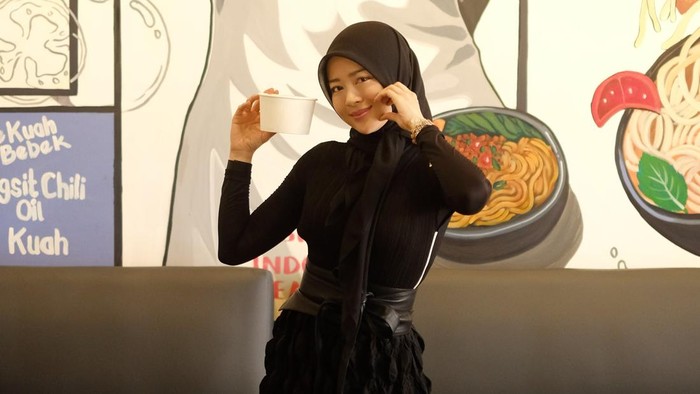
The Broader Impact on Culinary Professionals
Arum’s move invites a larger conversation about the concentration of talent in Indonesia. For decades, the "brain drain" from rural provinces to Jakarta has been a significant issue, as the most ambitious individuals feel compelled to leave their homes to find success. If more high-profile figures like Arum choose to invest in their regions, it could trigger a shift in how regional economies are structured.
If successful, the Rame Mie & Coffee Shop model could serve as a case study for other young entrepreneurs who possess high-level skills but are wary of the saturated Jakarta market. The implications are clear: the future of Indonesian culinary innovation may not lie in the skyscrapers of the capital, but in the streets and communities where chefs have their deepest personal connections.
Looking Toward the Future
As of late September 2026, the initial reception to the opening has been positive. Local residents have expressed pride in having a professional-grade establishment in their neighborhood. For the industry at large, the coming months will be a litmus test for whether a high-profile chef can maintain a successful business while focusing on local community impact rather than purely national brand proliferation.
Arum’s journey from a professional kitchen to a local business owner in Magelang is a testament to the evolving priorities of modern professionals. She is effectively redefining what success looks like—measuring it not just in revenue or industry awards, but in the number of local jobs created and the positive footprint left on the community where she first developed her passion for food.
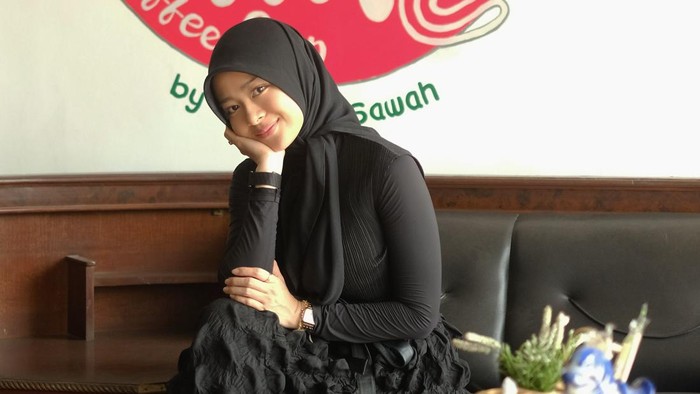
In summary, the launch of Rame Mie & Coffee Shop is more than just a business opening; it is a manifestation of a shift toward regional empowerment. By prioritizing her roots over the allure of the capital, Chef Amanda Arum is setting a precedent that may influence the next generation of culinary professionals to consider the untapped potential of their own backyards. Whether this venture becomes a blueprint for regional culinary growth remains to be seen, but for now, it stands as a significant moment in the narrative of Indonesian gastronomy. As the shop continues its operations, the eyes of the industry will remain on Magelang, watching to see how this "small step" truly evolves into something of lasting consequence for both the chef and her hometown.
Related posts: