The Maritime Tragedy Unfolds
The Virgo Transport 8, a vessel primarily tasked with transporting passengers and cargo between the industrial hubs of East Java and South Kalimantan, ceased communication with maritime authorities while navigating the treacherous waters of the Java Sea. Preliminary reports suggest that the vessel encountered severe meteorological conditions—characterized by high-intensity winds and extreme sea swells—which are believed to have compromised the ship’s stability.
According to eyewitness accounts and initial assessments provided by the search and rescue (SAR) teams, the vessel reportedly capsized as it struggled to maintain its course toward the port of Banjarmasin. The suddenness of the event left little time for a controlled evacuation, necessitating an immediate and complex mobilization of both government and private rescue assets.
Chronology of the Emergency Operation
The crisis began in the early hours of Sunday morning when the vessel failed to report its scheduled position to the Port Authority. As the silence from the bridge persisted, the National Search and Rescue Agency (BASARNAS) elevated its alert status and initiated an emergency tracking protocol.
By mid-morning, aerial reconnaissance and radar data identified the location of the distressed vessel. Rescue teams, consisting of personnel from the Indonesian Navy, Coast Guard, and local water police, were dispatched to the site. The primary challenge facing the responders was the volatility of the sea state, which hampered the deployment of lifeboats and the ability to reach survivors scattered across the water.
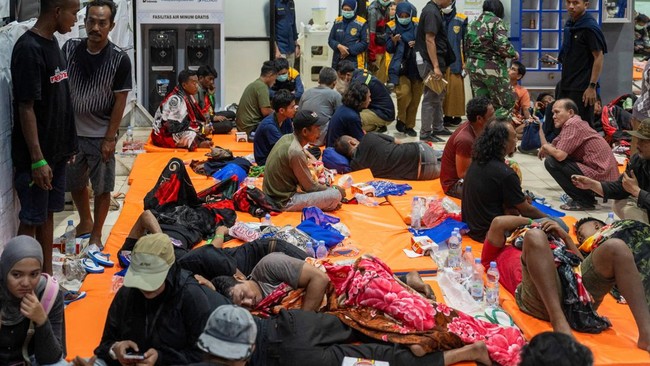
Throughout the afternoon, the focus shifted from locating the vessel to the urgent recovery of passengers and crew. By late evening, the tally of those rescued reached 113 individuals. Tragically, the operation has also resulted in the recovery of six deceased passengers, while approximately 130 individuals remain unaccounted for. The search zone has been significantly expanded as currents and winds have dispersed potential life rafts and floating debris.
Supporting Data and Demographic Context
The Java Sea serves as a vital artery for the Indonesian economy, facilitating the movement of thousands of passengers daily. The Virgo Transport 8, while adhering to standard safety protocols prior to departure, was reportedly operating near its capacity. The discrepancy between the number of those rescued and the total passenger manifest remains a point of intense scrutiny for investigators.
Maritime safety experts note that the Java Sea, particularly during the transition between monsoon seasons, often experiences "freak" weather patterns that can defy standard meteorological predictions. Ships of the class and size of the Virgo Transport 8 are generally robust; however, when faced with sustained high-velocity winds that create resonance with the ship’s cargo load, the risk of capsizing increases significantly.
Official Responses and Coordination
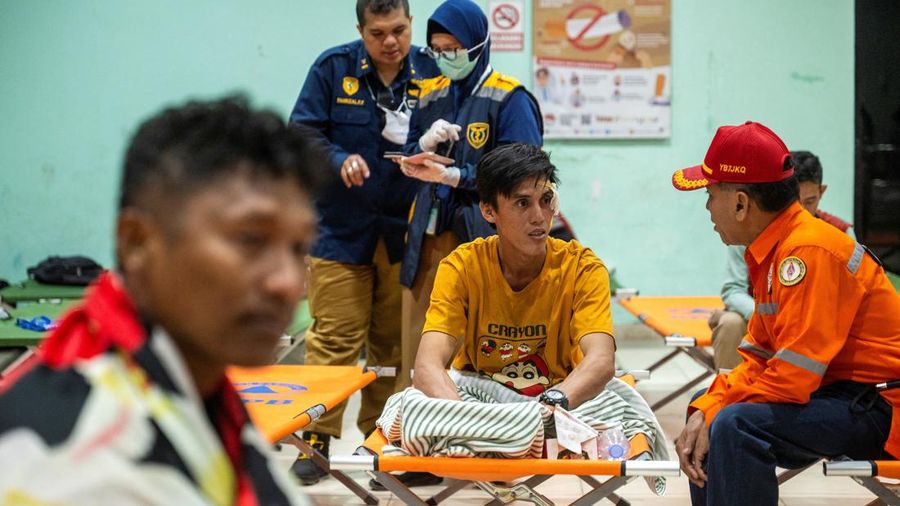
The gravity of the situation has necessitated high-level oversight. Minister of Transportation, Dudy Purwaghandy, arrived at the Trisakti Port in Banjarmasin to personally monitor the progress of the rescue and medical triage efforts. His presence underscores the government’s commitment to addressing the immediate humanitarian crisis while preparing for a long-term investigation into the ship’s operational logs.
Initially, reports suggested that a portion of the survivors might be diverted to Tuban, East Java, for medical assessment. However, current logistics dictate that the primary port of refuge is Banjarmasin. Specialized trauma centers and medical teams are currently operating at the Trisakti Port to provide critical care to the survivors, many of whom are suffering from exposure, hypothermia, and shock.
"The priority remains the preservation of life," stated a spokesperson for the Ministry of Transportation. "We have deployed all available assets, including underwater drones and specialized deep-sea diving teams, to conduct a thorough sweep of the area where the vessel is believed to have submerged."
The Human Toll and Community Impact
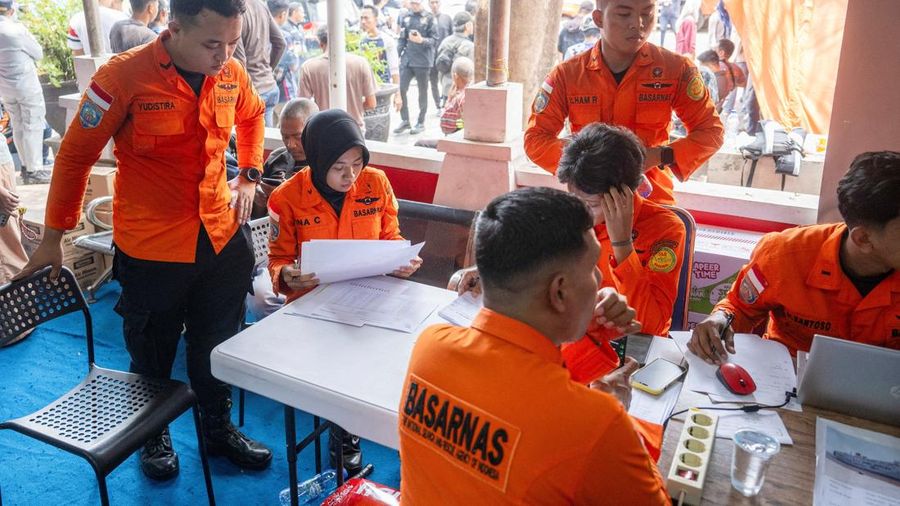
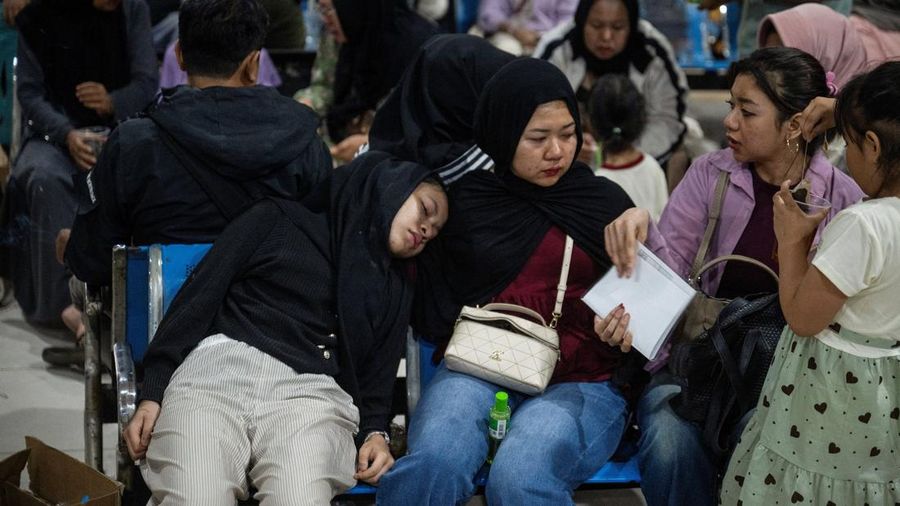
At the Port of Trisakti, a scene of profound emotional distress has unfolded. A designated integrated crisis center (posko terpadu) has been established to provide information and support to the families of those onboard. The air is thick with the sounds of mourning and desperate pleas for information, as families congregate in the hope of hearing the names of their loved ones among the rescued.
The social impact of such incidents is profound. For many residents of South Kalimantan, the sea route to Surabaya is not merely a logistical convenience but a necessity for commerce and family visitation. The loss of a vessel of this size ripples through the community, forcing a broader conversation regarding the adequacy of safety equipment, the reliability of real-time weather monitoring for smaller commercial vessels, and the stringency of boarding protocols.
Analysis of Maritime Safety Implications
This incident is expected to lead to a comprehensive review of maritime regulations governing the Java Sea. The Indonesian government is under pressure to enhance its "Safety of Life at Sea" (SOLAS) enforcement. Key areas of concern for investigators will likely include:
- Weather Thresholds: Whether the vessel was permitted to depart in light of the impending severe weather warning.
- Cargo Stowage: A technical analysis of how the vessel’s cargo distribution may have contributed to its instability once the hull was compromised.
- Communication Protocols: An inquiry into why the vessel lost contact so rapidly and whether there were delays in initiating the distress signal.
- Emergency Preparedness: An assessment of the availability and effectiveness of life-saving equipment, such as life rafts and emergency positioning beacons.
As the search for the missing continues into the coming days, the focus will inevitably turn toward accountability. For now, however, the primary objective of the Indonesian authorities is to navigate the challenging sea conditions to locate any remaining survivors.
Looking Ahead: The Investigation Phase
Once the rescue phase concludes, the National Transportation Safety Committee (KNKT) will likely assume the lead in investigating the cause of the disaster. This will involve the retrieval of the ship’s Voyage Data Recorder (VDR), if accessible, and interviews with the surviving crew members.
The incident serves as a grim reminder of the inherent dangers of maritime travel in the archipelago. Despite advancements in satellite navigation and weather forecasting, the ocean remains an unpredictable and often unforgiving environment. As Indonesia continues its path toward greater maritime connectivity, the balance between economic demand and the fundamental requirement for passenger safety will remain the central challenge for policymakers and maritime regulators.
For the families currently waiting at the port, the focus is not on policy or logistics, but on the return of their kin. The search and rescue mission is expected to continue with intensified efforts at daybreak, with additional naval vessels expected to arrive to support the recovery of the submerged vessel and any remaining passengers still trapped within the wreckage.
The tragedy of the Virgo Transport 8 will undoubtedly remain a significant chapter in the discourse on Indonesian maritime safety for years to come. It highlights the necessity for a more resilient infrastructure, better-coordinated emergency responses, and an unwavering commitment to the safety of every passenger who sets foot on a vessel in Indonesian waters. As the nation watches and waits, the focus remains firmly on the sea, where every minute is critical in the race against time to bring survivors home.