Viral Video Reveals Alarming River Pollution in Depok: Thick Foam Engulfs Kali Baru

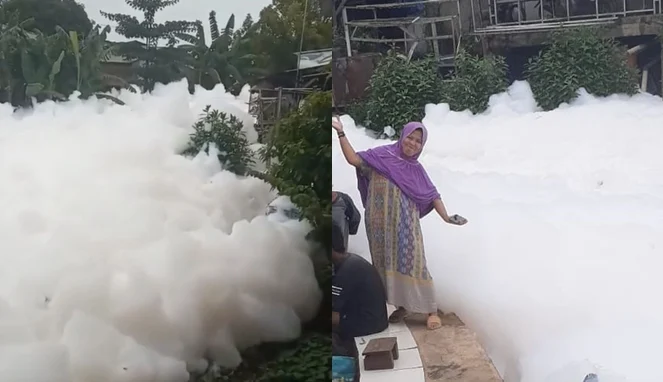
A disturbing viral video has surfaced, documenting severe pollution in the Kali Baru river in Depok, West Java, Indonesia. The footage, which gained widespread traction on social media starting Monday afternoon, November 27th, 2023, shows the Kali Baru in Tugu Village, Cimanggis District, submerged under an astonishingly thick blanket of white foam. The foam is so dense and voluminous that it completely obscures the river’s surface, reaching heights that have reportedly encroached upon five nearby residential homes. In the video, the concerned observer exclaims, "This is industrial waste in Depok."
The visual spectacle, characterized by the complete disappearance of the river beneath the frothy expanse, initially misled many online viewers. Comments on social media platforms reveal a range of reactions, with some mistaking the scene for clouds or even snowdrifts. However, the underlying reality is a serious environmental concern, prompting urgent calls for government intervention to address the escalating pollution crisis in Depok’s waterways.
Chronology of the Incident and Observations
Local residents have provided further context to the alarming visual. According to reports corroborated by Kompas, the foam did not appear instantaneously in such overwhelming quantities. Instead, it initially emerged subtly, gradually thickening over time. A pungent odor, distinct from the pleasant scent of detergents, permeated the area, indicating a more serious contaminant than common household cleaning products. Despite the alarming build-up, the foam reportedly dissipated by the evening of the same day it was widely observed. This ephemeral nature of the foam, while seemingly resolving the immediate visual problem, raises further questions about the source and potential long-term impacts of the discharged pollutants.
Investigation Underway by Environmental Authorities
In response to the viral outcry and growing public concern, the Depok City Environmental and Hygiene Agency (DLHK Kota Depok) has launched an immediate investigation into the origin of the waste causing the excessive foam. Preliminary hypotheses suggest that the foam is a result of domestic wastewater, potentially containing high concentrations of soaps and detergents, accumulating and reacting within the river system.
The agency’s investigation will involve a comprehensive examination of potential sources, including businesses and residential areas located in proximity to the Kali Baru river. The recent transition from the dry season to the rainy season, leading to an increase in the river’s water debit, is believed to have exacerbated the situation by bringing accumulated pollutants to the surface.
Understanding the Dangers of River Pollution
The incident in Depok serves as a stark reminder of the pervasive and multifaceted dangers associated with river pollution. Beyond the immediate visual blight and public alarm, contaminated waterways pose significant threats to both human health and the wider ecosystem.
-
Public Health Risks: Polluted rivers can become breeding grounds for waterborne diseases. Pathogens present in contaminated water can lead to outbreaks of illnesses such as cholera, typhoid, and dysentery, particularly impacting communities that rely on these rivers for their water supply or daily activities. The pungent odor reported by residents further suggests the presence of harmful chemical compounds that can have adverse effects on respiratory health.
-
Ecological Devastation: Aquatic life is critically dependent on the health of river ecosystems. The introduction of industrial and domestic waste can drastically alter water chemistry, leading to oxygen depletion (hypoxia) and the death of fish, invertebrates, and other aquatic organisms. This disrupts the food chain and can lead to a significant decline in biodiversity. The thick foam itself can smother aquatic vegetation and reduce sunlight penetration, further impacting the ecosystem.
-
Water Scarcity and Agricultural Impact: Rivers are vital sources of freshwater for both human consumption and agricultural irrigation. Pollution can render this water unusable, diminishing the availability of clean drinking water and impacting agricultural productivity. Farmers who rely on river water for irrigation face crop damage and reduced yields, potentially leading to economic hardship and food security concerns.
-
Economic Repercussions: Beyond the direct agricultural impact, polluted rivers can deter tourism and recreational activities, negatively affecting local economies. The cost of remediation efforts to clean up polluted waterways can also be substantial, placing a burden on municipal budgets.
Broader Context: Depok’s Environmental Challenges
Depok, a rapidly urbanizing city bordering the Indonesian capital of Jakarta, has historically grappled with environmental challenges, particularly concerning waste management and water pollution. The city’s extensive network of rivers and waterways often bears the brunt of unchecked development and inadequate waste disposal practices. Previous incidents of river pollution have been documented, highlighting a persistent issue that requires sustained and comprehensive solutions.
The Kali Baru river, like many urban rivers in Indonesia, faces the dual threat of industrial discharge and untreated domestic wastewater. The sheer volume of urban population and commercial activity generates substantial amounts of waste, and without robust infrastructure for wastewater treatment and solid waste management, a significant portion inevitably finds its way into the natural environment.
Community Reaction and Call for Action
The viral nature of the video has amplified public concern, transcending local boundaries. Social media has become a powerful tool for citizen advocacy, with users actively sharing the footage and demanding accountability from polluters and authorities. The calls for government action are not merely reactive; they reflect a growing awareness of environmental stewardship and a desire for sustainable urban development.
Environmental advocacy groups in Indonesia have often highlighted the need for stricter enforcement of environmental regulations, increased investment in wastewater treatment facilities, and comprehensive public education campaigns on responsible waste disposal. This incident in Depok is likely to reignite these demands, pushing for more proactive and effective measures to protect the nation’s vital water resources.
Analysis of the Situation and Future Implications
The Depok river pollution incident underscores a critical need for integrated environmental management. Addressing this issue requires a multi-pronged approach:
-
Source Identification and Accountability: Rigorous investigation to pinpoint the exact source(s) of the pollution is paramount. Once identified, polluters must be held accountable through stringent legal penalties and remediation requirements. This includes both industrial facilities and, where applicable, individual households contributing to domestic wastewater pollution.
-
Infrastructure Development: Significant investment in and expansion of wastewater treatment plants are essential to process domestic and industrial effluent before it is discharged into rivers. This is a long-term solution that requires sustained political will and financial commitment.
-
Community Engagement and Education: Raising public awareness about the impact of pollution and promoting responsible waste disposal habits are crucial. Community-led initiatives for river clean-ups and monitoring can also play a vital role.
-
Policy Enforcement and Monitoring: Existing environmental regulations need to be effectively enforced, with regular monitoring of water quality and industrial discharge. Transparency in reporting and accessible data can empower citizens and hold authorities accountable.
The incident at Kali Baru is more than just a disturbing visual; it is a symptom of a larger environmental challenge facing many urban centers in Indonesia. The long-term health of Depok’s rivers, and indeed those across the nation, hinges on the ability of authorities, industries, and communities to work collaboratively towards sustainable solutions. The viral video has served as a powerful, albeit distressing, catalyst for this much-needed conversation and action.