Toyota’s Commitment to Cultivating Future Leaders: Bridging Academia and Industry with the Toyota Production System

PT Toyota Motor Manufacturing Indonesia (TMMIN) is actively forging a robust synergy between academic institutions and the industrial sector, recognizing it as a cornerstone for developing a competent workforce and bolstering national industrial competitiveness. In a recent initiative, TMMIN extended its educational outreach to Universitas Udayana in Bali, providing students with invaluable firsthand experience of industrial practices. This engagement goes beyond classroom lectures, aiming to equip students with practical knowledge and a tangible understanding of how theoretical concepts are applied in a real-world manufacturing environment, thereby preparing them more thoroughly for their future careers.
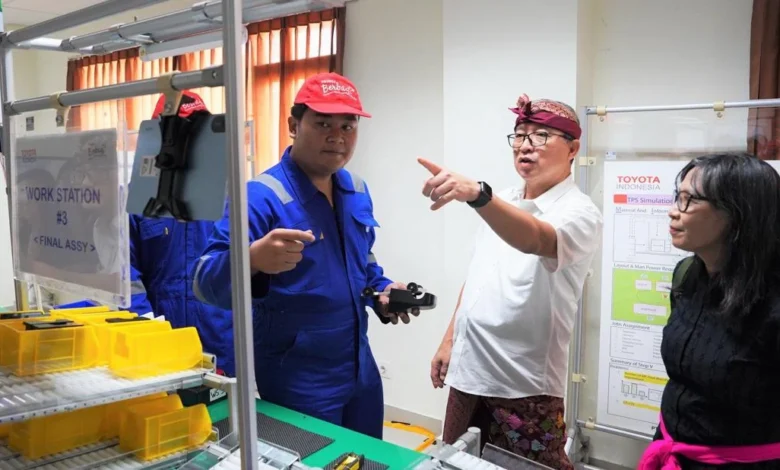
The collaboration, which took place at the Universitas Udayana campus on Thursday, July 23rd, offered a comprehensive learning experience designed to bridge the gap between academic learning and the realities of the automotive industry. A central element of this initiative was a special lecture delivered by Nandi Julyanto, President Director of TMMIN. This session provided students with direct insights from industry leadership. Complementing the lecture, TMMIN representatives also visited the Lean Manufacturing Laboratory at Universitas Udayana’s Faculty of Engineering. This visit allowed for a direct observation of how the principles of the Toyota Production System (TPS) are integrated into the learning processes within the university setting. This visit underscored the ongoing commitment of TMMIN to foster a collaborative environment where industrial expertise informs academic curriculum development and practical application.
The strategic importance of such collaborations lies in their ability to mold a generation of professionals who are not only academically sound but also possess the practical acumen demanded by today’s dynamic industries. In an era where rapid technological advancements and evolving market demands necessitate agile and adaptable workforces, initiatives like TMMIN’s are crucial for ensuring that educational institutions are producing graduates who are industry-ready from day one. This proactive approach to talent development is a key factor in maintaining and enhancing Indonesia’s position in the global manufacturing landscape.
The Philosophy of Continuous Improvement: A Deeper Dive into TPS
During his keynote address, Nandi Julyanto articulated the profound significance of the Toyota Production System (TPS), emphasizing that it transcends mere production methodology. "TPS is not just a production system born from Toyota," Julyanto stated. "For us, TPS is a way of thinking and a way of working. Through TPS, everyone is encouraged not to stop at surface-level problem-solving, but to dare to find the root cause, make decisions based on facts, and continuously improve. Because we believe that sustainable progress always starts with small steps taken consistently every day." This philosophy highlights TPS as a cultural driver, promoting a mindset of perpetual refinement and problem-solving that extends far beyond the factory floor.
Julyanto’s lecture provided a comprehensive overview of Toyota’s decades-long journey in cultivating a strong corporate culture. He delved into the foundational elements that underpin this culture, ranging from leadership principles to the core values that guide Toyota’s operations. These values, which include integrity, vision, respect, ownership, innovation, and teamwork, are not merely abstract concepts but are actively embedded in the daily operations and decision-making processes at TMMIN. Furthermore, he underscored the critical importance of the "Bad News First" principle, which advocates for the early and transparent communication of challenges. This proactive approach ensures that issues are identified and addressed swiftly, preventing minor problems from escalating into significant obstacles and fostering an environment of trust and accountability.
The President Director elaborated on how these core values translate into tangible outcomes, particularly through the implementation of TPS. He explained that TPS serves as the bedrock for Toyota’s commitment to continuous improvement, driving enhancements in quality, productivity, and efficiency across all operational facets. This holistic approach ensures that every aspect of the production process is meticulously examined and optimized, leading to superior product quality and operational excellence. The consistent application of these principles has been instrumental in Toyota’s sustained success and its reputation for reliability and innovation in the global automotive market.
Experiential Learning: Bringing Theory to Life Through Genba and Kaizen
The TMMIN delegation’s visit to the Lean Manufacturing Laboratory offered a practical demonstration of TPS principles in action. Here, Julyanto engaged in in-depth discussions with faculty members and students regarding the optimization of TPS within the academic framework. A key concept explored during these discussions was "Genba," a fundamental element of Toyota’s culture, which translates to "the actual place" or the location where a process unfolds.
Julyanto explained the significance of Genba in fostering a deep understanding of operational realities. By directly observing processes in their actual environment, individuals can gain a more accurate and nuanced perspective on challenges, enabling the formulation of solutions grounded in empirical evidence rather than conjecture. This hands-on approach is central to Toyota’s problem-solving methodology, ensuring that decisions are informed by factual data and direct observation.
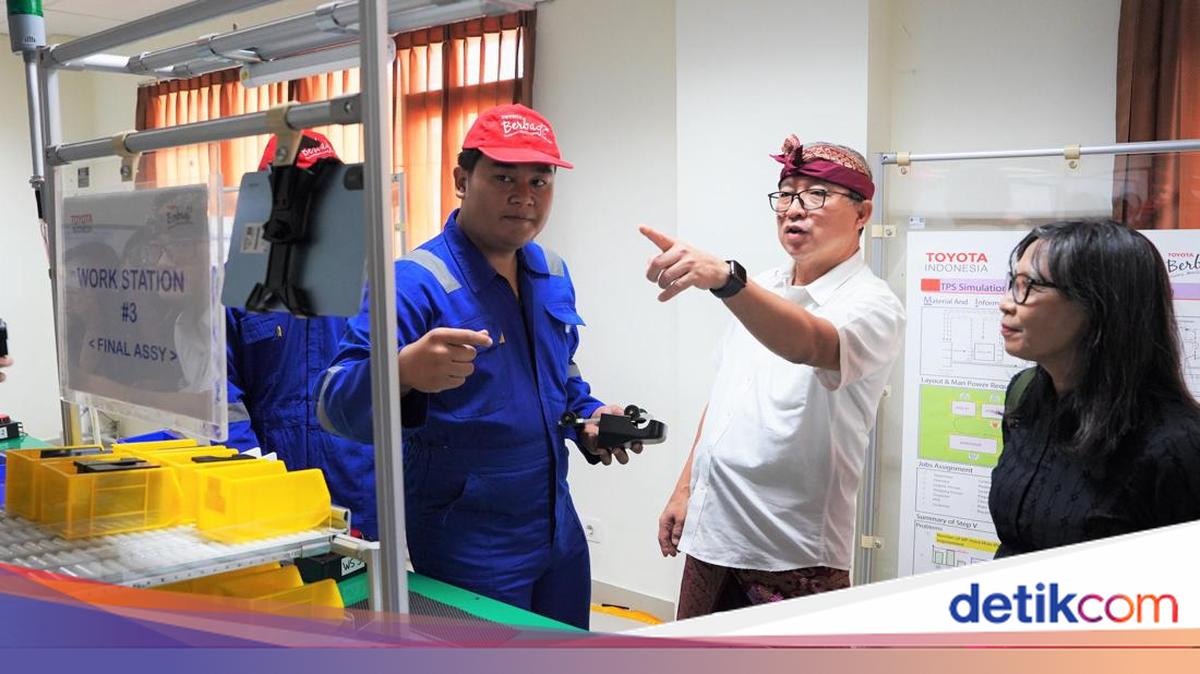
"Through Genba, we want students to experience that the best learning comes from direct experience," Julyanto remarked. "In the field, they will not only learn TPS as a theory but learn to see the process as it is, understand why a problem might occur, and then find solutions based on facts. We hope this experience cultivates critical thinking, high curiosity, and the courage to continuously improve every process. These are the provisions they will carry when entering the industry." This statement highlights TMMIN’s belief in experiential learning as a powerful tool for developing well-rounded professionals.
Furthermore, the emphasis on Genba activities aligns seamlessly with the philosophy of "Kaizen," which embodies the spirit of continuous, incremental improvement. Kaizen encourages everyone, from frontline workers to management, to identify and implement small, consistent changes that collectively lead to significant advancements over time. This philosophy fosters a culture of proactive engagement and empowers individuals to take ownership of their work and contribute to ongoing enhancements. The integration of Kaizen principles within the academic setting, through practical exercises and observation, aims to instill this mindset in future engineers and managers.
A Nationwide Network of Collaboration: TMMIN’s Broad Impact
The engagement with Universitas Udayana is part of a broader, nationwide initiative by TMMIN to implement and promote TPS across leading Indonesian universities. This strategic program aims to create a network of institutions that are proficient in applying Toyota’s production and management philosophies. Currently, Universitas Udayana is among ten esteemed higher education institutions receiving dedicated guidance from TMMIN in the phased adoption of TPS.
The complete list of participating universities, representing a significant geographical and academic spread across Indonesia, includes:
- Institut Teknologi Sepuluh Nopember (ITS) in Surabaya
- Universitas Diponegoro (UNDIP) in Semarang
- Universitas Gadjah Mada (UGM) in Yogyakarta
- Universitas Syiah Kuala (USK) in Banda Aceh
- Institut Teknologi Bandung (ITB) in Bandung
- Universitas Sebelas Maret (UNS) in Surakarta
- Universitas Hasanuddin (UNHAS) in Makassar
- Universitas Darma Persada (UNSADA) in Jakarta
- Universitas Udayana (UNUD) in Denpasar, Bali
- Universitas Indonesia (UI) in Depok
This extensive network signifies TMMIN’s deep commitment to national human resource development. By partnering with these institutions, TMMIN is not only sharing its operational expertise but also contributing to the standardization of best practices in manufacturing and engineering education. This nationwide approach ensures that the benefits of TPS are disseminated broadly, impacting a significant pool of future professionals and, by extension, the broader Indonesian industrial sector.
Broader Implications for Indonesia’s Industrial Future
The synergy between TMMIN and Indonesian universities, exemplified by the activities at Universitas Udayana, carries profound implications for the nation’s industrial advancement. By embedding principles like TPS, Genba, and Kaizen into academic curricula and practical training, these collaborations are instrumental in shaping a workforce that is adept at innovation, efficiency, and continuous improvement. This aligns with Indonesia’s aspirations to become a major player in global manufacturing and to enhance its economic competitiveness.
The proactive engagement of industry leaders like TMMIN in educational development offers a vital pathway to address the skills gap often cited as a challenge for developing economies. Graduates equipped with the practical methodologies and problem-solving approaches inherent in TPS are more likely to contribute meaningfully to their organizations from the outset, reducing the need for extensive on-the-job training and accelerating productivity gains.
Moreover, this initiative fosters a culture of research and development within universities, encouraging students and faculty to explore real-world industrial challenges and develop innovative solutions. The direct exposure to industry best practices can inspire new research avenues and lead to the creation of intellectual property that benefits both academia and industry.
The long-term impact of such partnerships extends beyond immediate employability. It cultivates a mindset of lifelong learning and adaptability, essential qualities in a rapidly evolving global marketplace. As Indonesia continues to diversify its industrial base and embrace new technologies, a generation of professionals trained in the rigorous and systematic approach of TPS will be a significant asset. TMMIN’s sustained commitment to this educational outreach underscores its role not just as a leading automotive manufacturer, but also as a vital partner in building a more skilled and competitive future for Indonesia. The consistent application of these principles across multiple leading universities suggests a strategic, long-term vision for elevating the nation’s industrial capabilities.