Yamaha Lexi LX 155 and Honda Vario 160 Evo July 2026 Price Comparison Reveals Shifting Market Dynamics

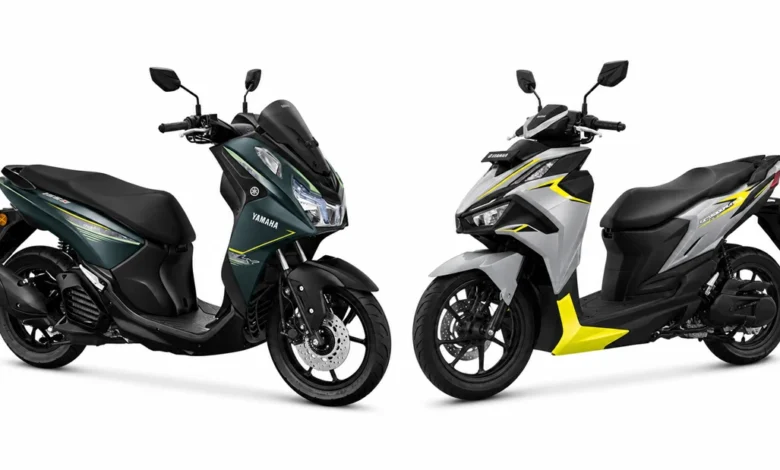
The Indonesian scooter market, particularly within the highly competitive 150-160cc segment, continues to be a vibrant battleground for automotive manufacturers. In July 2026, this dynamic is vividly illustrated by the pricing strategies of two prominent players: Yamaha’s Lexi LX 155, positioned as a premium daily commuter, and Honda’s Vario 160 Evo, boasting a sportier and more contemporary design. A close examination of the latest price lists reveals a fascinating interplay of affordability and feature-driven value across their respective variants, indicating a strategic approach by both brands to capture a diverse range of consumer preferences.
As of July 2026, the on-the-road (OTR) Jakarta pricing for both models demonstrates a remarkably tight competition, with their price points intersecting and overlapping across different trim levels. This pricing strategy suggests a deliberate effort by Yamaha and Honda to appeal to a broad spectrum of buyers, from budget-conscious individuals seeking essential mobility to those prioritizing advanced features and premium aesthetics.
The entry point into Yamaha’s Lexi LX 155 lineup is the Standard variant, priced at Rp 27,850,000 OTR Jakarta. This positions the Lexi LX 155 as an accessible option for consumers looking for a stylish and comfortable scooter for their daily commutes. In contrast, Honda’s offering at the lower end of the spectrum is the Vario 160 Evo CBS, which carries a price tag of Rp 28,525,000 OTR Jakarta. This immediately establishes a price difference of Rp 675,000, with the Yamaha Lexi LX 155 Standard holding a slight advantage in terms of initial affordability. This initial price gap could be a significant factor for first-time buyers or those with more constrained budgets, drawing them towards the Yamaha offering.
Moving up the product hierarchy, the competition intensifies and the pricing dynamics shift. The mid-tier offering from Yamaha is the Lexi LX 155 S Version, retailing at Rp 29,650,000. This variant likely incorporates enhanced features or cosmetic upgrades over the Standard model, justifying its higher price point. Interestingly, Honda counters this with its Vario 160 Evo CBS Nitro, which is priced at Rp 28,775,000. In this particular comparison, the Honda Vario 160 Evo CBS Nitro emerges as the more economical choice, being approximately Rp 875,000 cheaper than the Lexi LX 155 S Version. This suggests that Honda is leveraging its CBS Nitro variant to offer a compelling value proposition in the mid-range segment, potentially attracting buyers who are seeking a balance of performance and features without venturing into the higher price brackets.
The premium segment further illustrates the strategic pricing employed by both manufacturers. Yamaha’s top-of-the-line Lexi LX 155 Connected/ABS commands a price of Rp 32,500,000 OTR Jakarta. This variant undoubtedly comes equipped with the most advanced technological features and safety enhancements, including ABS (Anti-lock Braking System) and connectivity options, catering to a discerning customer base. Honda’s response in this segment is the Vario 160 ABS, priced at Rp 31,406,000. Here, the Honda Vario 160 ABS presents a more attractive proposition in terms of absolute cost, being approximately Rp 1,094,000 less expensive than its Yamaha counterpart. This significant price differential in the premium category could be a decisive factor for consumers who desire advanced safety features like ABS but are also price-sensitive. Honda’s aggressive pricing in this segment signals a strong intent to capture market share among buyers seeking high-end features at a more competitive price point.
Yamaha Lexi LX 155: A Closer Look at the Pricing Structure (July 2026, OTR Jakarta)
The Yamaha Lexi LX 155 lineup, as of July 2026, is structured as follows:
- Lexi LX 155 Standard: Rp 27,850,000
- Lexi LX 155 S Version: Rp 29,650,000
- Lexi LX 155 Connected/ABS: Rp 32,500,000
This tiered pricing strategy allows Yamaha to cater to a broad audience. The Standard variant serves as an entry-level option, emphasizing accessibility and core functionality. The S Version likely introduces incremental upgrades in comfort, convenience, or aesthetics, appealing to those seeking a step up from the basic model. The Connected/ABS variant represents the pinnacle of the Lexi LX 155 range, targeting consumers who prioritize cutting-edge technology and enhanced safety features, and are willing to pay a premium for them.
Honda Vario 160 Evo: Competitive Pricing Across Variants (July 2026, OTR Jakarta)
Honda’s Vario 160 Evo, also as of July 2026, presents its pricing across its distinct variants:
- Vario 160 CBS: Rp 28,525,000
- Vario 160 CBS Nitro: Rp 28,775,000
- Vario 160 ABS: Rp 31,406,000
Honda’s approach appears to be focused on offering strong value across its Vario 160 Evo line. The CBS variant provides a solid foundation for the model. The CBS Nitro variant, with its minimal price increase over the base CBS, suggests a focus on offering enhanced styling or specific feature packages that resonate with a sportier aesthetic. The Vario 160 ABS variant, as noted earlier, offers a compelling price point for a scooter equipped with ABS, positioning it as a strong contender in the premium segment for value-conscious buyers.
Market Implications and Strategic Considerations
The pricing battle between Yamaha Lexi LX 155 and Honda Vario 160 Evo in July 2026 highlights several key strategic implications for the Indonesian motorcycle market.
Yamaha’s Strategy: Yamaha appears to be leveraging the Lexi LX 155 to solidify its position in the premium commuter segment. By offering a more accessible Standard variant, they are likely aiming to attract a wider customer base, including younger riders and those seeking a stylish yet practical scooter for urban mobility. The higher-priced S and Connected/ABS variants cater to consumers who value advanced features, comfort, and perhaps brand prestige, allowing Yamaha to maximize profitability from its premium offerings. The Lexi LX 155, with its emphasis on a comfortable riding posture and advanced features in its higher trims, aligns with Yamaha’s broader strategy of offering technologically advanced and aesthetically pleasing vehicles.
Honda’s Strategy: Honda, on the other hand, seems to be employing a strategy of aggressive value proposition, particularly in the mid-to-high end segments. The Vario 160 Evo, with its sporty design and the availability of ABS at a competitive price point, directly challenges Yamaha’s premium offerings. Honda’s ability to offer its ABS variant at a significantly lower price than Yamaha’s comparable model suggests efficient manufacturing processes, economies of scale, or a deliberate decision to prioritize market share over higher profit margins on this specific model. The Vario line has a long-standing reputation for reliability and widespread service network in Indonesia, which further strengthens its appeal.
Consumer Impact: For Indonesian consumers, this intense competition translates into greater choice and better value. Buyers in July 2026 have access to a wider array of features and performance options within a comparable price range. The clear differentiation in pricing across variants allows consumers to make informed decisions based on their individual needs, priorities, and budget. This competitive landscape encourages both manufacturers to continuously innovate and improve their product offerings, ultimately benefiting the end-user.
Broader Economic Context: The Indonesian motorcycle market is a significant contributor to the country’s economy. The 150-160cc scooter segment, in particular, is a high-volume category, driven by the daily commuting needs of a large urban population. The pricing strategies of major players like Yamaha and Honda have a ripple effect on related industries, including parts suppliers, dealerships, and after-sales service providers. The continuous introduction of new models and competitive pricing also fuels consumer spending and contributes to economic activity.
Future Outlook: The pricing landscape observed in July 2026 is likely to remain dynamic. As both manufacturers strive to maintain and grow their market share, further price adjustments, feature updates, and promotional offers can be anticipated. The success of each model will depend not only on its pricing but also on its overall appeal, including design, performance, fuel efficiency, reliability, and the strength of its respective brand in the Indonesian market. The ongoing battle between Yamaha and Honda in the 150-160cc scooter segment is a testament to the maturity and competitiveness of the Indonesian automotive industry, promising exciting developments for consumers in the years to come.
It is important to note that the prices quoted are "on the road" (OTR) prices for Jakarta. Actual prices in other regions or cities across Indonesia may vary due to differences in local taxes, shipping costs, and dealer markups. Prospective buyers are strongly advised to visit their nearest authorized dealerships for the most accurate and up-to-date pricing information. This detailed price comparison provides a snapshot of the market in July 2026, highlighting the strategic maneuvering and competitive spirit that defines the Indonesian two-wheeler industry. The battle for dominance in the 150-160cc scooter segment is far from over, with both Yamaha and Honda demonstrating their commitment to offering compelling products that cater to the evolving demands of Indonesian riders.