Methane Explosion and Tunnel Collapse at Sikkim Hydroelectric Project Leaves 12 Dead and Dozens Trapped as Rescue Operations Face Toxic Gas Challenges

The remote northeastern state of Sikkim has been plunged into a state of crisis following a catastrophic methane gas explosion that triggered a massive tunnel collapse at a major hydroelectric power project, resulting in at least 12 confirmed fatalities. As of Wednesday, July 22, 2026, emergency response teams continue to battle hazardous conditions in a desperate bid to reach between 13 and 15 workers who remain trapped deep within the subterranean structure. The incident, which occurred at a site managed by the National Hydroelectric Power Corporation (NHPC) along the Teesta River, has once again raised urgent questions regarding industrial safety standards and the geological risks inherent in large-scale infrastructure projects within the fragile Himalayan ecosystem.
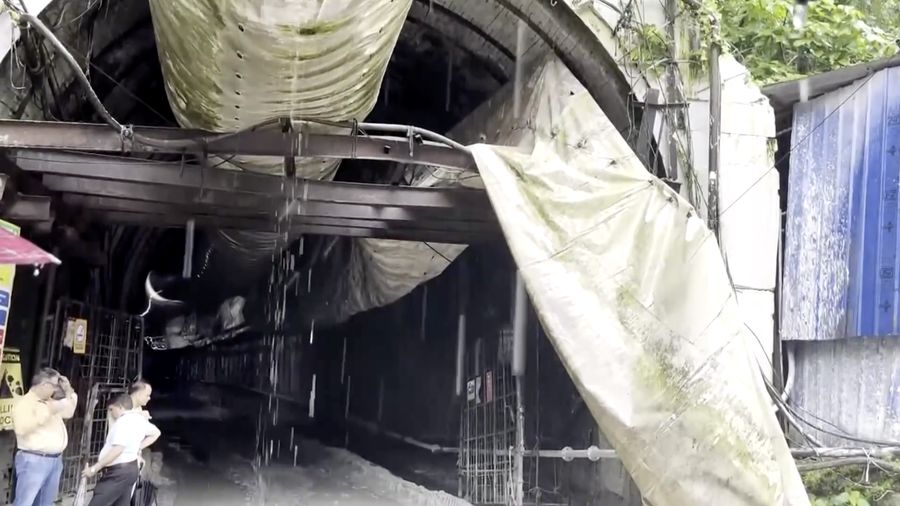
The disaster unfolded on Monday in the village of Samardung, where workers were engaged in the construction and maintenance of a tunnel for the Teesta River hydroelectric project. According to preliminary reports from site supervisors and local authorities, a sudden and violent discharge of gas—suspected to be methane trapped within the rock strata—ignited, causing a powerful explosion. The blast was sufficient to compromise the structural integrity of the tunnel, leading to a partial collapse that buried several work sections under tons of debris. In the immediate aftermath, the area was engulfed in a thick, suffocating shroud of smoke and toxic fumes, creating a lethal environment for those inside and significantly hindering initial rescue attempts.
Chronology of the Disaster and Immediate Response
The timeline of the tragedy began on the afternoon of Monday, July 20, when approximately 25 to 30 personnel, including laborers and project officials, were stationed inside the tunnel. Witnesses near the entrance reported hearing a muffled roar followed by a visible tremor in the ground. Within minutes, thick black smoke began billowing from the tunnel’s mouth, signaling a major underground emergency.
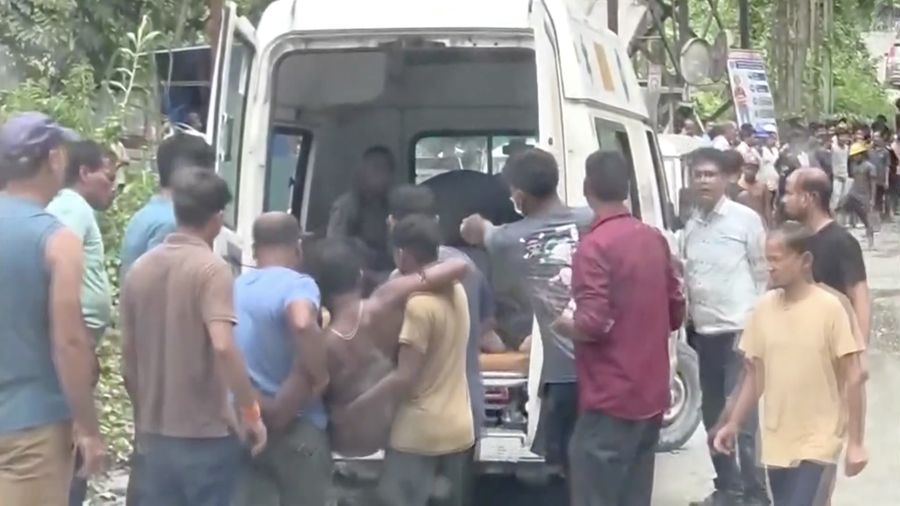
By Tuesday, the Sikkim State Disaster Management Authority (SSDMA) confirmed that 10 bodies had been recovered, while 15 workers were officially listed as missing or trapped. However, as rescue teams pushed deeper into the debris on Wednesday, two additional bodies were located, bringing the death toll to 12. The National Hydroelectric Power Corporation issued a formal statement clarifying that the explosion was likely a "gas outburst," a phenomenon where high-pressure gas pockets are breached during excavation or drilling.
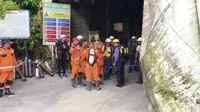
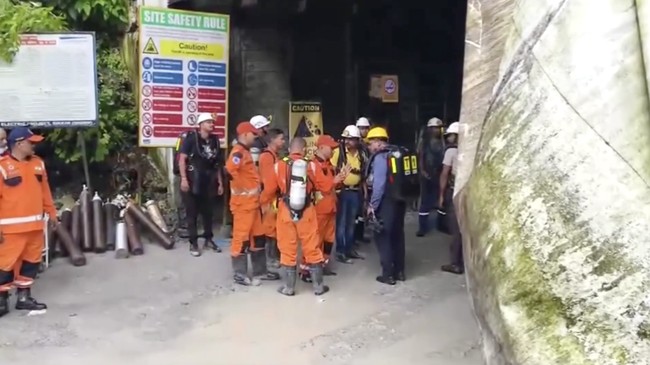
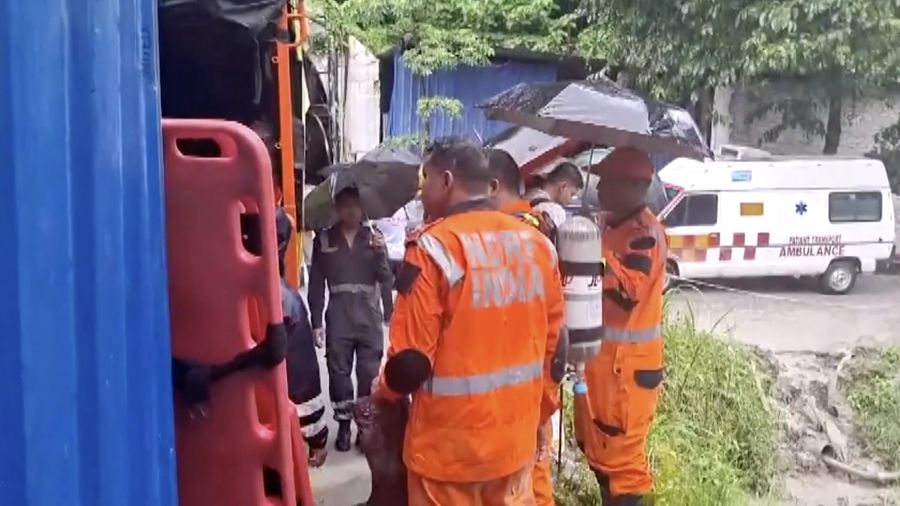
The rescue operation has entered a critical and dangerous phase. Footages from the site show specialized teams from the National Disaster Response Force (NDRF) and state authorities donning heavy-duty breathing apparatus and chemical suits. The primary obstacle remains the high concentration of methane and other toxic byproducts of the explosion, which have turned the tunnel into a pressurized chamber of unbreathable air. Rajiv Roka, a senior official with the Sikkim State Disaster Management Authority, expressed grave concerns regarding the survival of those still trapped. "The window for a successful rescue is narrowing," Roka stated. "The accumulation of toxic gas and the physical instability of the remaining tunnel sections mean our teams must move with extreme caution. Every meter gained is a victory against a very hostile environment."
The Science of Subterranean Methane Risks
The presence of methane in the Himalayan rock formations is a known, albeit unpredictable, hazard in the tunneling industry. Geologists explain that methane pockets can form over millions of years as organic matter is trapped and compressed within sedimentary or metamorphic rock layers. In the context of the Teesta River basin, the complex tectonic activity of the Indian and Eurasian plates has created a highly fractured geological profile.
When a tunnel boring machine or blasting team encounters one of these pressurized pockets, the gas can escape with explosive force. If a spark is introduced—whether from electrical equipment, friction, or static—the resulting combustion is devastating. In the Samardung incident, the NHPC suggested that the methane was "trapped in the rocks" and released "suddenly and unexpectedly," leaving the workers with no time to evacuate or reach safety chambers.
Furthermore, the collapse of the tunnel walls following the blast created "dead zones" where air circulation is non-existent. The smoke generated by the explosion contains carbon monoxide and other particulates that can be fatal within minutes if inhaled without protection. This explains why, despite the presence of advanced machinery at the site, the rescue has been slow and meticulously manual in many areas.
NHPC and the Teesta Hydroelectric Project Context
The National Hydroelectric Power Corporation (NHPC) is a cornerstone of India’s renewable energy strategy, and its projects along the Teesta River are vital for the nation’s power grid. The Teesta River, which originates in the eastern Himalayas and flows through Sikkim and West Bengal before entering Bangladesh, has a massive potential for hydroelectric generation. However, the development of these projects has been a subject of intense debate for decades.
The project at Samardung is part of a broader network of dams and tunnels designed to harness the river’s steep gradient. While these "run-of-the-river" projects are often touted as more environmentally friendly than traditional large-reservoir dams, they require extensive tunneling through some of the world’s most unstable mountain ranges. Critics and environmentalists have long warned that the cumulative impact of multiple hydroelectric projects in Sikkim could destabilize the region’s geology, increase the frequency of landslides, and pose risks to the laborers working in these high-stakes environments.
This latest tragedy is expected to bring NHPC’s safety protocols under intense scrutiny. While the corporation maintains that it follows international safety standards, including gas monitoring and ventilation requirements, the scale of the Samardung explosion suggests either a failure in early detection systems or an encounter with a gas pocket of unprecedented volume.
Broader Implications for Himalayan Infrastructure
The Sikkim tunnel collapse is not an isolated incident but part of a concerning pattern of infrastructure failures in the Himalayan region. In November 2023, the world watched as 41 workers were trapped for 17 days inside the Silkyara-Barkot tunnel in Uttarakhand. While that rescue ended successfully, it highlighted the extreme risks of tunneling in "young" mountains that are still geologically active.
The recurring nature of these disasters suggests that current engineering models may need to be revised to account for the unique volatility of the Himalayas. Potential implications of the Sikkim disaster include:
- Regulatory Overhaul: The Indian government may face pressure to implement more stringent "Real-Time Gas Sensing" mandates for all underground projects. This would require sensors capable of detecting minute changes in gas pressure and composition several meters ahead of the excavation face.
- Environmental and Social Impact Re-assessments: Local communities in Sikkim, who have often protested the "tunnelling of their mountains," are likely to intensify their demands for a moratorium on new hydroelectric projects until a comprehensive safety audit of existing sites is completed.
- Economic Delays: The Teesta projects are crucial for meeting India’s 2030 renewable energy targets. Significant delays at the Samardung site, coupled with potential shutdowns for safety investigations, could lead to power supply shortfalls and increased project costs.
- Worker Safety Litigation: The families of the deceased and the survivors may seek legal recourse against the contractors and the NHPC. In India, industrial accidents often lead to prolonged legal battles over compensation and accountability.
The Human Cost and the Path Ahead
Beyond the technical data and geological reports lies the profound human tragedy affecting the families of the victims. Most of the workers at these sites are migrants or locals who take on high-risk labor to support their families. As the names of the 12 deceased are processed, the atmosphere in Samardung and the surrounding districts remains somber.
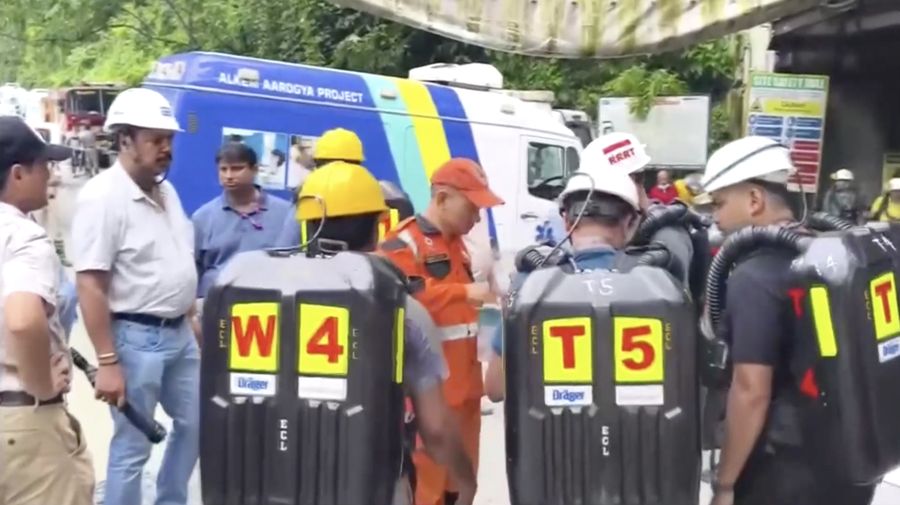
The state government has announced initial ex-gratia payments for the families of the victims, but for those waiting at the tunnel entrance, money is a secondary concern. The focus remains entirely on the 13 to 15 individuals still missing. Rescuers are currently using high-capacity fans to clear the toxic air and are deploying robotic cameras to survey the collapsed sections before sending in human teams.
As the sun sets on Wednesday, the lights at the Samardung project site remain bright, illuminating a scene of frantic yet disciplined activity. The sound of heavy machinery competes with the rushing waters of the Teesta River, a reminder of the power of nature that the workers were trying to harness. This incident serves as a stark reminder that in the pursuit of industrial progress and energy security, the cost of overlooking geological volatility is measured in human lives. The coming days will be decisive, not only for the fate of those trapped but for the future of infrastructure development in the world’s highest mountain range.