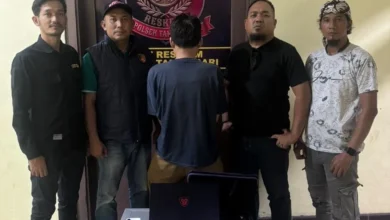
Wonogiri Police Officer and Pesantren Leader Named Suspect in Sexual Violence Case, Sparking Concerns Over Institutional Trust and Student Welfare

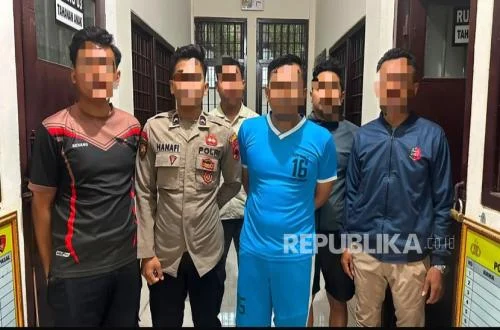
WONOGIRI, Central Java – Bripka E, a 37-year-old active member of the Wonogiri Resort Police (Polres Wonogiri), Central Java, has been officially named a suspect in an alleged sexual violence case. The victim, identified as N, is a 19-year-old daughter of one of Bripka E’s colleagues. The revelation has sent shockwaves through the community, particularly as Bripka E also holds a prominent position as the owner and leader (or pengasuh) of Pondok Pesantren (Ponpes) Manjung, a respected Islamic boarding school located within the same regency of Wonogiri. This dual identity, as both a law enforcement officer entrusted with public safety and a religious leader revered for moral guidance, has intensified public scrutiny and raised profound questions regarding institutional accountability and the protection of vulnerable individuals within educational and religious settings.
The case, which came to public attention following the formal designation of Bripka E as a suspect, underscores a complex interplay of legal, social, and ethical dimensions. As a police officer, Bripka E was bound by a strict code of conduct and an oath to uphold justice and protect citizens. His alleged actions represent a severe breach of this trust. Simultaneously, his role as a kiyai or ustaz (religious teacher) and leader of Ponpes Manjung placed him in a position of immense spiritual and moral authority over his students and their families. The alleged abuse of this sacred trust is particularly distressing for a society that deeply values its religious institutions and their leaders.
The Dual Identity: Officer and Cleric
Bripka E’s dual professional and religious roles are central to the complexity of this case. As a Bintara Pembina Keamanan dan Ketertiban Masyarakat (Bhabinkamtibmas), a low-ranking police officer often stationed in communities to foster security and order, Bripka E would have been a familiar and ostensibly trustworthy figure. The Bhabinkamtibmas program aims to build close relationships between the police and local communities, with officers acting as liaisons and problem-solvers. This community-oriented policing model relies heavily on public trust and the exemplary conduct of its officers. The alleged actions of Bripka E directly undermine this foundational trust, not only within the Wonogiri community but potentially reflecting on the broader institution of the Indonesian National Police (Polri).
Concurrently, his leadership of Ponpes Manjung positions him as a spiritual guide and educator. Pondok Pesantren are traditional Islamic boarding schools in Indonesia, playing a crucial role in religious education, character building, and community development. They are often seen as sanctuaries of moral learning, where students live, study, and grow under the guidance of their kiyai or pengasuh. The bond between a pesantren leader and their students is typically one of deep respect and obedience, often resembling a familial relationship. This hierarchical structure, while fostering discipline and spiritual growth, can also create vulnerabilities, as students may be hesitant or unable to report misconduct by figures of such authority. The alleged perpetrator’s position of power, both secular and religious, is a critical factor in understanding the potential impact on the victim and the broader community.
Chronology of Events and Official Confirmation
While specific dates regarding the alleged incident itself were not fully detailed in the initial reports, the formal designation of Bripka E as a suspect indicates a thorough preliminary investigation by the Wonogiri Resort Police. On Tuesday, July 21, 2026, Iptu Agung Sedewo, the Head of the Criminal Investigation Unit (Kasatreskrim) of Polres Wonogiri, publicly confirmed Bripka E’s role as the leader of Ponpes Manjung. "Yes, the perpetrator, initial E, or commonly called Abah E, indeed owns a pondok pesantren in Manjung," Agung stated, acknowledging the sensitive nature of the suspect’s background. This official confirmation marked a significant step in the legal process, moving the case from an investigative phase to one where formal charges are being prepared. The police’s swift action in naming a suspect, particularly one from their own ranks, demonstrates a commitment to transparency and justice.
Following the suspect designation, the focus immediately shifted not only to the ongoing criminal investigation but also to the welfare of the 120 students residing at Ponpes Manjung. Iptu Agung Sedewo further elaborated that the pesantren accommodates approximately 120 male and female students, who, while boarding at the ponpes, attend public schools in the area. This detail highlights a common model in many modern pesantren, where religious education is integrated with formal secular schooling. "We are now also concerned about the students, how to ensure these students are not neglected," Agung emphasized, indicating the police’s broader humanitarian responsibility in the wake of the incident.
Immediate Response and Student Welfare
The immediate aftermath of Bripka E’s arrest and suspect designation necessitated urgent action regarding the students of Ponpes Manjung. Given the sudden absence of their leader and the gravity of the allegations, the continuity of their care and education became a paramount concern. Iptu Agung Sedewo confirmed that, as a temporary measure, many of the students had been taken home by their respective families. This immediate family intervention provided a crucial safety net for the students in the short term.
However, recognizing the need for a more structured and long-term solution, a multi-agency discussion was promptly initiated. The Wonogiri Office of the Ministry of Religious Affairs (Kemenag Wonogiri), in collaboration with the Wonogiri Social Affairs Office and the Wonogiri Education Office, convened to address the fate of the Ponpes Manjung students. This collaborative effort underscores the interdepartmental nature of addressing such complex societal issues, involving religious institutions, social welfare, and education.
"Finally, we implemented several formulations that were agreed upon by these stakeholders, so that these students can continue to receive a proper education," Agung stated, affirming a commitment to ensuring the students’ future educational continuity. While specific details of these "formulations" were not immediately released, they would likely involve options such as:
- Relocation to other pesantren: Facilitating transfers to alternative, reputable Islamic boarding schools in the region or beyond, with financial and logistical support.
- Support for home-based learning: Providing resources and guidance for students who temporarily returned home, ensuring they can continue their public school education and potentially access religious instruction from local mosques or religious teachers.
- Psychosocial support: Offering counseling and trauma-informed care for students who may have been affected by the unsettling events surrounding their ponpes leader.
- Temporary management of Ponpes Manjung: Exploring the possibility of appointing an interim leader or management team to oversee the pesantren, if deemed viable and in the best interest of the students, though this would be a more complex undertaking.
The involvement of Kemenag is particularly significant, as it is the primary governmental body responsible for overseeing religious education and institutions, including pesantren. Their role ensures that any solutions align with religious educational standards and provide spiritual guidance. The Social Affairs Office would focus on the welfare and protection aspects, while the Education Office would ensure the continuity of their secular schooling. This coordinated approach is vital to prevent the students from becoming collateral victims of the alleged crime.
Broader Implications for Religious Institutions and Law Enforcement
The case of Bripka E carries profound implications for both the Indonesian National Police and the extensive network of Islamic boarding schools across the archipelago. For the police, an officer’s involvement in such a serious crime erodes public confidence, a commodity that law enforcement agencies constantly strive to build and maintain. It raises questions about internal vetting processes, ethical training, and oversight mechanisms within the police force. The institution will face pressure to demonstrate that such incidents are isolated and that robust measures are in place to address misconduct swiftly and transparently.
For religious institutions, especially pesantren, the incident is a stark reminder of the vulnerabilities that can exist within hierarchical structures where leaders hold immense power and moral authority. While the vast majority of pesantren leaders are dedicated and exemplary figures, isolated cases of abuse can cast a shadow over the entire system. This incident will likely spark renewed calls for enhanced safeguarding policies, clearer reporting mechanisms for students, and greater accountability for religious leaders. It also emphasizes the importance of independent oversight and the courage of victims and their families to come forward.
Indonesia has been grappling with a series of sexual violence cases within educational and religious institutions in recent years. While the specific data is sensitive and often underreported, these incidents have led to increased public awareness and advocacy for stronger legal frameworks and protective measures. The passage of the Sexual Violence Crime Law (UU TPKS) in 2022 was a landmark achievement, providing a more comprehensive legal basis for addressing and preventing sexual violence, including protecting victims and ensuring their rehabilitation. This law empowers victims and mandates state responsibility in prevention and response, a framework that will undoubtedly be applied rigorously in Bripka E’s case.
The Legal Framework and Call for Justice
Despite Bripka E’s current status as a suspect, Iptu Agung Sedewo emphasized that the Wonogiri Resort Police is continuing its in-depth investigation to uncover any potential additional victims of sexual violence. This proactive stance is crucial, as perpetrators of such crimes often have multiple victims, especially when they occupy positions of power. "He stressed that even though Bripka E is now a suspect, the Wonogiri Polres continues to deepen the investigation to uncover whether there is a possibility of other victims of sexual violence," the statement highlighted.
To facilitate this, Agung explicitly encouraged anyone who believes they may have been a victim of sexual harassment or abuse by Bripka E to come forward and report it to the authorities. This open call for additional victims is a standard and critical procedure in such investigations. It aims to ensure that justice is served comprehensively and that all affected individuals receive support and recourse. The police will need to establish a safe and confidential reporting mechanism to encourage victims, who may fear reprisal or stigma, to step forward. Providing psychological support and legal aid to victims will also be paramount.
The legal process against Bripka E will proceed under Indonesian criminal law, likely involving charges related to sexual violence, which carry severe penalties, especially given his position of authority. The investigation will involve gathering further evidence, including witness testimonies, forensic evidence if available, and potentially digital forensics. His status as a police officer also means he will face internal disciplinary proceedings within Polri, which could lead to his dismissal from service in addition to criminal conviction.
Ensuring Victim Protection and Future Prevention
The primary focus for authorities will remain on justice for N and any other potential victims, alongside the welfare of the Ponpes Manjung students. Beyond the immediate legal proceedings, this case serves as a critical opportunity for a broader re-evaluation of safeguarding measures within educational and religious institutions. This includes:
- Mandatory background checks: More stringent background checks for individuals in positions of trust, both in public service and religious education.
- Clear codes of conduct: Establishing and regularly reviewing explicit codes of conduct for leaders and educators, with clear definitions of acceptable and unacceptable behavior.
- Accessible reporting channels: Implementing confidential and easily accessible reporting mechanisms for students and staff, ensuring that complaints are taken seriously and investigated independently.
- Awareness and education: Conducting regular awareness campaigns and educational programs on sexual violence prevention, consent, and victim support for students, parents, and educators.
- Psychosocial support systems: Ensuring that counseling and psychological support services are readily available within institutions or through partnerships with external organizations.
The collaborative efforts of the police, Kemenag, Social Affairs, and Education offices are essential to navigate the immediate crisis and to lay the groundwork for long-term prevention. This case is a stark reminder that no institution, regardless of its sacred or public nature, is immune to the potential for abuse of power. Upholding justice, protecting the vulnerable, and restoring trust require sustained commitment and vigilance from all sectors of society.
Community Trust and Accountability
The community in Wonogiri, and indeed across Indonesia, will be closely watching the developments in this case. The outcome will significantly impact public perception of the police’s commitment to internal accountability and the overall safety of religious educational environments. Restoring trust will require not only a fair and transparent legal process but also proactive measures from both law enforcement and religious institutions to demonstrate their dedication to ethical conduct and the protection of those under their care. The case of Bripka E is more than just an individual crime; it is a critical test of institutional integrity and societal resilience in the face of profound betrayal. The authorities’ continued diligence in investigating potential additional victims and ensuring the welfare of the students will be crucial in demonstrating their commitment to comprehensive justice and healing for the community.