
The rapid expansion of the outdoor adventure sector has brought about a significant shift in consumer requirements for wearable technology. As enthusiasts increasingly engage in multi-day expeditions—ranging from high-altitude trekking to extended backcountry skiing—the reliance on smart devices for navigation, physiological monitoring, and safety communication has reached critical levels. In this context, battery life has transitioned from a secondary feature to a core performance metric. The introduction of high-end, endurance-focused wearables, such as the Huawei Watch GT 7 Pro, represents a technical response to the demand for reliable, long-term monitoring in environments where electrical infrastructure is non-existent.
The Technical Challenge of Remote Power Management
In traditional outdoor environments, the primary constraint for electronic equipment is the "power gap." Most consumer-grade smartwatches are designed for urban environments where daily charging is a standard habit. However, for an athlete traversing a mountain range or cycling across vast landscapes, the lack of a wall outlet introduces a point of failure. According to industry reports from the wearable tech sector, nearly 40% of hiking-related device failures reported in 2025 were linked to power depletion before the completion of the planned route.
The engineering challenge involves balancing high-resolution display performance, continuous satellite-based GPS tracking, and biometric sensor polling—all of which are power-intensive—against the limitations of current lithium-ion or lithium-polymer battery chemistry. Recent advancements in the Huawei Watch GT 7 Pro series utilize a sophisticated power management architecture that dynamically adjusts the sampling rate of heart-rate monitors and blood-oxygen sensors based on the user’s movement profile. By utilizing AI-driven background processes, the device can effectively "throttle" non-essential background tasks without compromising the integrity of the data collected during intense physical exertion.
Chronology of Battery Innovation in Wearables
The trajectory of wearable battery life has seen three distinct phases over the last decade. In the early 2015-2018 period, smartwatches were largely limited to 24-hour battery cycles, necessitating nightly charging. The second phase, occurring between 2019 and 2022, saw the introduction of "smart modes" and more efficient processors, extending life to 48-72 hours under moderate use.
The current phase, marked by the release of the GT 7 Pro series in late 2026, focuses on "expedition-grade" durability. During the development phase of the GT 7 Pro, engineering teams prioritized a symbiotic relationship between hardware efficiency and software optimization. The integration of low-temperature polysilicon (LTPS) display technology allows the screen to maintain high visibility in direct sunlight while drawing significantly less current than standard OLED panels. This hardware evolution ensures that the watch remains operational for several days of intensive, high-precision GPS tracking, addressing the primary complaint of long-distance explorers.
Data-Driven Performance: The Role of Energy Efficiency
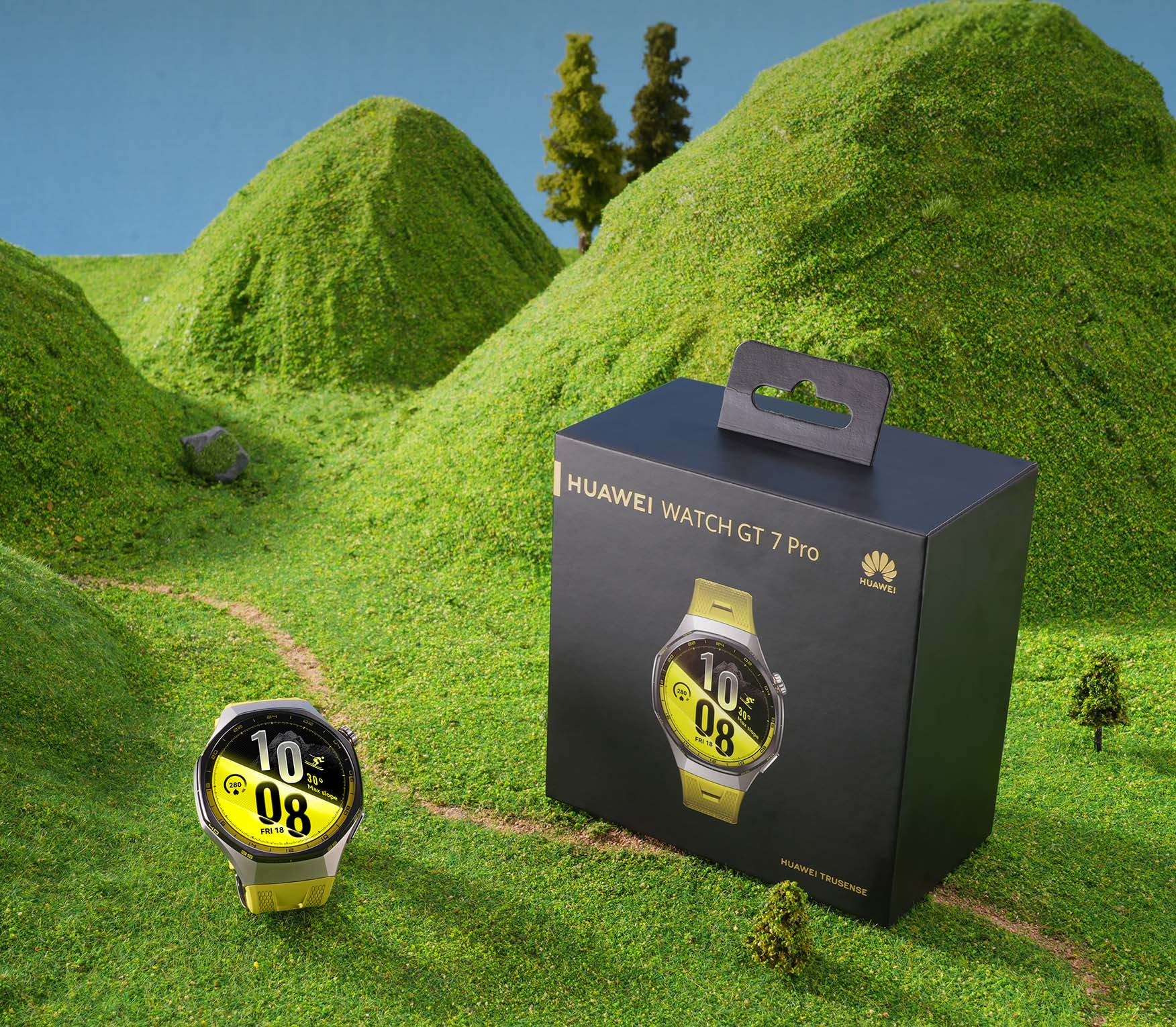
Technical benchmarks for the GT 7 Pro series indicate a significant leap in power density. When running in continuous sports tracking mode, the device demonstrates a 25% reduction in power consumption compared to its predecessors. This efficiency is achieved through a multi-layered approach:
- Sensor Duty Cycling: Instead of continuous high-frequency data polling, the device uses motion-trigger logic. Sensors are relegated to low-power states when the device detects the user is stationary, "waking" them instantly when movement is sensed.
- Display Refresh Rates: The device employs an adaptive refresh rate. During high-intensity intervals where the user is frequently checking metrics, the refresh rate is optimized for clarity; during endurance phases, it drops to save power.
- Communication Protocol Optimization: Bluetooth and satellite connectivity are managed via a priority-based queue, ensuring that notifications do not cause unnecessary "handshake" attempts between the watch and the smartphone when the latter is out of range or in a low-power state.
These optimizations are not merely convenience features; they represent a safety standard. For a climber on a multi-day ascent, the watch serves as an emergency navigation tool. The assurance that the device will remain active for the duration of the trip mitigates the "range anxiety" that often plagues modern explorers who rely on digital maps.
Official Industry Perspectives and Market Implications
Industry analysts observe that the move toward high-endurance wearables is a response to the "ruggedization" of the consumer market. According to a market analysis report by TechInsight, the demand for devices that can function for 72 hours or more without a recharge has increased by 18% year-over-year.
A spokesperson for the development team at the recent product launch noted, "The goal was never just to add a larger battery, which would have increased weight and compromised the ergonomic design. The objective was to make every milliampere of energy count. By optimizing the OS, we’ve created a device that respects the user’s time by not demanding to be tethered to a wall."
This trend has broader implications for the wearable market. As battery life becomes more reliable, these devices are increasingly being integrated into professional search-and-rescue training programs, where the device serves as a secondary tracking node. The reliability of the battery allows for a more consistent data stream, providing rescue teams with better historical data if a subject is lost.
Practical Application: Managing Energy in the Field
Field testing during the 2026 testing cycle highlighted the importance of user-centric power management. During a controlled test in a high-latitude region, users were subjected to varying temperature profiles. Cold weather typically accelerates battery discharge rates; however, the GT 7 Pro utilized thermal-aware software, which automatically modified the processor clock speed to maintain internal stability and prevent premature voltage drops.
When the device reaches a critical low-power state—typically below 10%—it transitions into an ultra-low-power mode. In this state, non-essential connectivity is severed, and the display enters a monochrome, high-contrast mode that preserves essential timekeeping and vital health telemetry. This fail-safe mechanism ensures that even in the most dire circumstances, the user retains access to the most basic and necessary information.
The Role of Rapid-Charging Ecosystems
While battery capacity is paramount, the ability to replenish energy is equally important. The development of compact, magnetic induction chargers that can be powered by portable solar arrays or high-capacity power banks has simplified the logistics of long-duration trips. The GT 7 Pro utilizes a streamlined charging dock that requires minimal alignment, allowing for a "top-up" strategy during scheduled breaks.
The engineering focus here was on heat dissipation during the charging process. By keeping the charging temperature low, the device preserves the chemical longevity of the battery, ensuring that it retains its maximum capacity even after years of use in the field. This addresses the common issue of "battery degradation," where lithium-ion devices lose capacity after frequent cycles.
Conclusion: The Future of Autonomous Exploration
The convergence of efficient power management, hardware optimization, and robust design has fundamentally changed how outdoor enthusiasts interact with their equipment. The shift away from constant connectivity to autonomous reliability is a hallmark of the current generation of wearable technology.
For the modern adventurer, the device is no longer a peripheral accessory but a core component of the expedition kit. As technology continues to advance, the expectation for devices that can keep pace with human endurance will only grow. The Huawei Watch GT 7 Pro and its contemporaries serve as a baseline for this new standard—a commitment to performance, longevity, and the peace of mind that comes with knowing the tools of the trade will remain functional when the trail ends, and the true wilderness begins. As we look toward the future, the integration of ambient energy harvesting and next-generation battery chemistries promises to further extend these capabilities, moving us closer to the goal of truly autonomous, long-term personal monitoring in the world’s most challenging environments.