Ensuring Proper Hydration in Children: Essential Guidelines, Health Impacts, and Practical Strategies for Parents

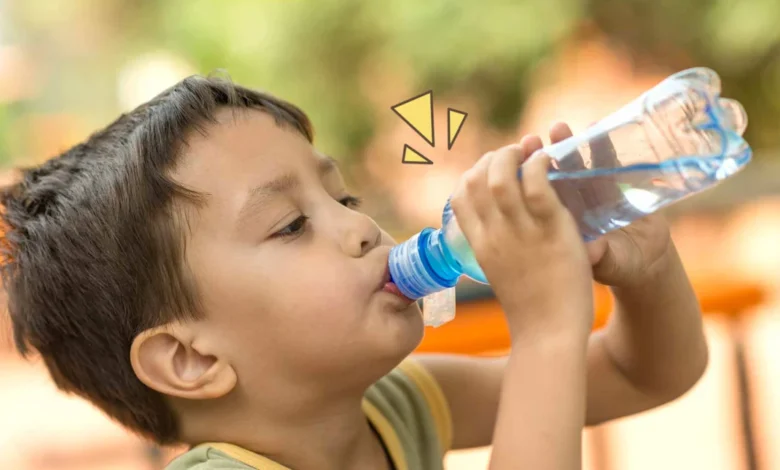
The fundamental role of adequate fluid intake in pediatric health has increasingly become a focal point for pediatricians, public health officials, and child development specialists worldwide. Maintaining optimal hydration in infants, children, and adolescents is not merely a matter of satisfying thirst; it is a critical physiological requirement that underpins cognitive development, metabolic regulation, and long-term disease prevention. Despite its critical importance, childhood hydration remains frequently overlooked in daily routines, a lapse that can precipitate acute medical complications such as dehydration, as well as chronic health vulnerabilities. Recent public health analyses and clinical studies underscore the necessity for structured parental oversight regarding daily fluid consumption, tailored specifically to a child’s age, activity level, and environmental conditions.
Background Context and Physiological Vulnerabilities
Children possess unique physiological characteristics that render them significantly more susceptible to fluid imbalances and rapid dehydration compared to adults. Pediatric physiologists note that children have a higher surface-area-to-mass ratio, a higher basal metabolic rate, and a less mature renal concentrating capacity. Furthermore, because children are naturally more active—frequently engaging in vigorous physical play, sports, and outdoor activities—they perspire at higher rates and lose body fluids more quickly.

When fluid losses are not adequately matched by corresponding intake, the body enters a state of negative fluid balance. According to seminal research published in the American Journal of Public Health, consistent and adequate water consumption in children and adolescents correlates strongly with the maintenance of a healthy body mass index, a reduction in dental caries, and measurable improvements in cognitive performance, memory retention, and executive function. Conversely, even mild hypohydration—a deficit of as little as 1 to 2 percent of total body weight—can impair mood, short-term memory, concentration, and physical endurance.
Comprehensive Fluid Requirements Across Pediatric Age Groups
Establishing precise daily fluid intake benchmarks can be challenging due to individual metabolic variations, climate differences, and distinct physical activity profiles. However, pediatric health organizations, including the American Academy of Pediatrics (AAP) and its public health education platform Healthy Children, provide standardized guidelines to help parents estimate appropriate daily hydration targets.
As children mature from infancy through adolescence, their total body water requirements increase correspondingly. Toddlers and preschool-aged children require consistent, moderate fluid replenishment throughout the day to support rapid cellular growth and high physical exertion levels. School-aged children and early adolescents require higher volumes, which must be scaled upward during periods of sustained athletic participation.
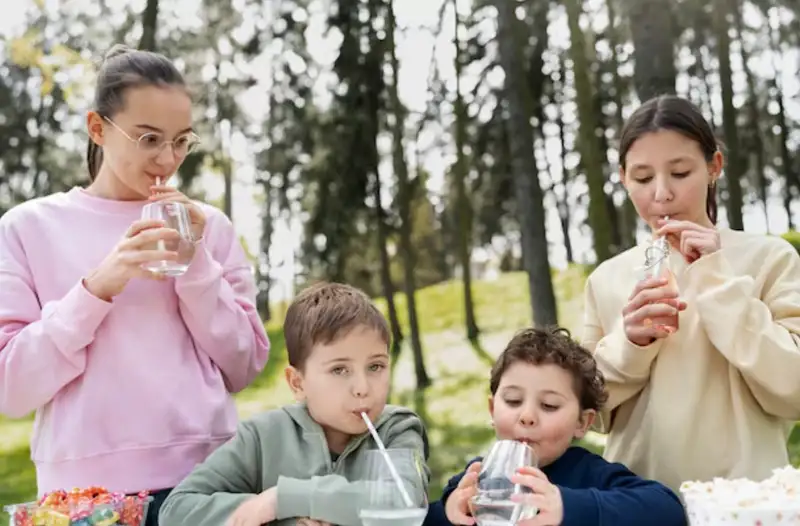
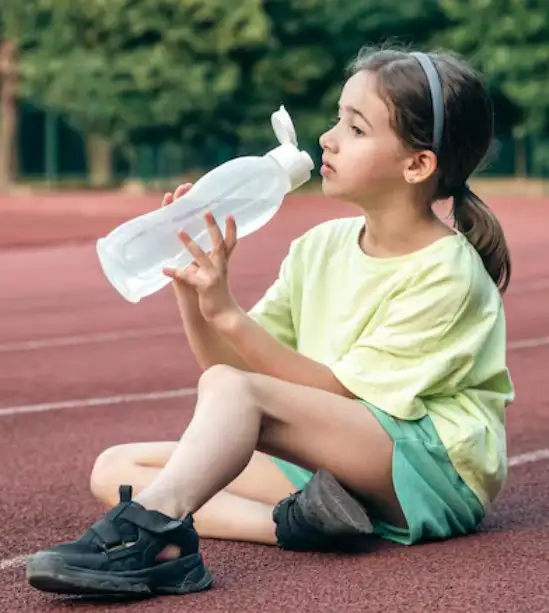
Clinical observations indicate that standard daily targets must be dynamically adjusted. For instance, children engaged in intensive sports or outdoor play during hot weather require targeted rehydration protocols. Pediatric sports medicine guidelines suggest that children aged 9 to 12 years should consume approximately 80 milliliters to 230 milliliters of water every 20 minutes during vigorous exercise to offset sweat losses and maintain cardiovascular stability.
Pathophysiological Impacts of Pediatric Dehydration
When fluid intake consistently fails to meet physiological demands, the consequences extend far beyond simple thirst. The National Center for Biotechnology Information (NCBI) outlines a progressive cascade of symptoms associated with pediatric dehydration, categorized by severity.
In mild to moderate stages of dehydration, clinical manifestations include dry or sticky mucous membranes, reduced skin turgor, lethargy, irritability, and dark-colored urine indicative of renal conservation mechanisms. As fluid deficits deepen, children may experience orthostatic dizziness, cognitive confusion, and significant reductions in urinary output (oliguria). In severe clinical scenarios, hypovolemia can lead to hemodynamic instability, characterized by tachycardia (an abnormally elevated heart rate) as the cardiovascular system attempts to maintain tissue perfusion despite decreased circulating blood volume.
Public health analysts emphasize that repeated episodes of sub-clinical dehydration can compromise renal function over time, increase the risk of urolithiasis (kidney stones) in pediatric populations, and negatively impact academic performance due to fatigue and poor concentration.
Practical Strategies and Clinical Recommendations for Parents
To counteract these risks, pediatricians and child nutritionists recommend integrating proactive hydration strategies into the daily routines of children.
1. Cultivating Engaging Hydration Habits
Transforming the act of drinking water into an engaging experience can significantly increase compliance among younger children. Utilizing brightly colored reusable water bottles, containers adorned with favorite fictional characters, or cups with playful designs can encourage children to view hydration as a positive daily habit rather than a parental directive.
2. Incorporating Natural Flavor Enhancements
Many children resist drinking plain water due to its lack of distinct flavor. Nutritionists suggest enhancing water naturally by infusing it with fresh slices of citrus fruits—such as lemons, limes, and oranges—or berries and cucumbers. This practice, commonly known as preparing infused water, imparts subtle natural flavors and attractive visual colors without the addition of refined sugars, thereby stimulating interest and increasing voluntary intake.
3. Utilizing Specialized Pediatric Hydration Solutions
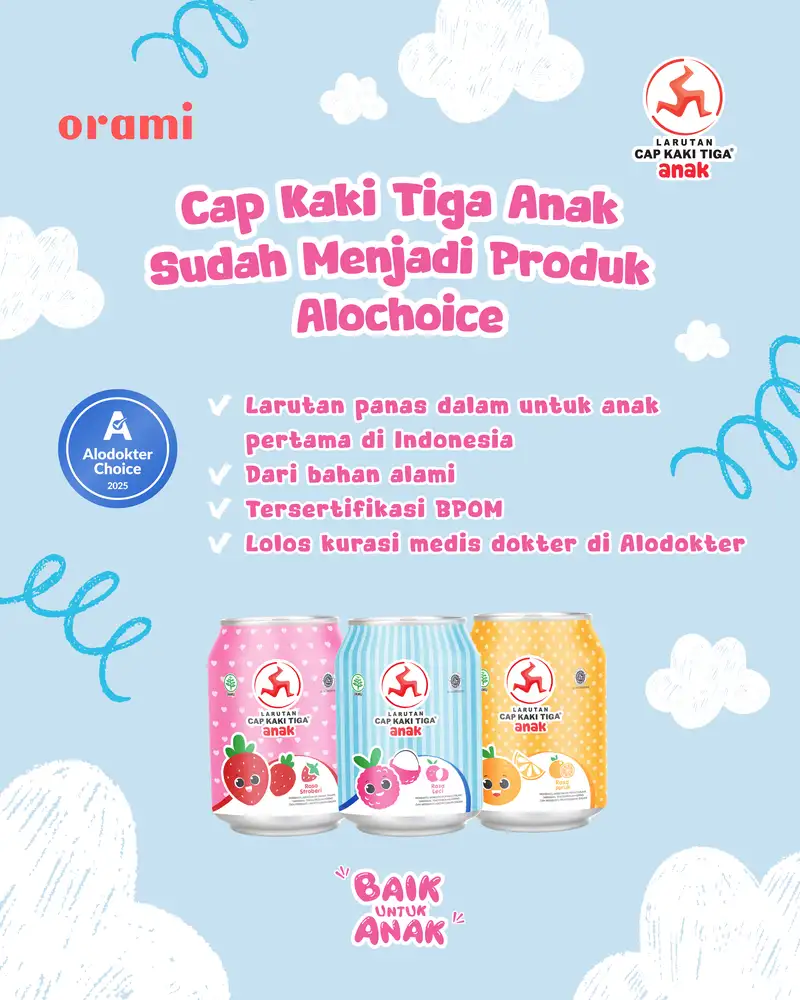
In environments characterized by high ambient temperatures, high humidity, or following intense physical exertion, standard water intake may occasionally be supplemented with specialized oral rehydration or refreshing formulations designed specifically for pediatric use. Over the years, the market has introduced targeted products, such as traditional cooling solutions formulated for children containing ingredients like Gypsum Fibrosum and Calcitum. These formulations are specifically engineered to assist in refreshing the body, supporting daily fluid balance, and alleviating minor pediatric complaints associated with internal heat, mild mouth ulcers, or dry throats. Public health authorities stress the importance of selecting products that are officially registered with regulatory bodies such as the Indonesian Food and Drug Authority (BPOM) and endorsed by clinical practitioners to ensure safety, efficacy, and appropriate formulation for developing digestive systems.
4. Establishing Portable Hydration Routines
Encouraging children to carry a lightweight, durable, and safe personal water bottle to school, extracurricular activities, and family outings fosters autonomy. This accessibility ensures that children can sip fluids continuously throughout the day rather than consuming large volumes only after a sensation of intense thirst has developed.

5. Leveraging Nutrient-Dense, Water-Rich Foods
Hydration does not rely exclusively on fluids consumed from a glass or bottle. Incorporating water-dense fruits and vegetables into snacks and meals provides an effective supplementary source of hydration. Foods such as watermelons, melons, strawberries, oranges, cucumbers, and grapes boast high water content exceeding 80 to 90 percent. Providing these items as natural snacks delivers essential vitamins, dietary fiber, and vital fluids simultaneously.
6. Early Educational Interventions
Integrating education regarding the biological importance of water into early childhood learning strengthens long-term behavioral patterns. Parents and educators can utilize illustrated children’s books, educational videos, and interactive discussions to explain how the human body utilizes water to run, think, and play. Connecting fluid intake directly to a child’s favorite physical activities reinforces the practical value of maintaining proper hydration.
Broader Implications and Public Health Outlook
The ongoing dialogue surrounding pediatric hydration reflects a broader shift toward preventive healthcare and nutritional wellness in early childhood. Medical experts argue that establishing robust hydration habits during the formative years lays the groundwork for lifelong health literacy and metabolic stability.

As climate patterns shift and global temperatures rise, the incidence of environmental heat stress among school-aged children is projected to increase, placing a heavier burden on educational institutions and families to monitor fluid access closely. Public health agencies continue to advocate for policy measures that ensure clean, accessible drinking water in schools and recreational facilities, alongside comprehensive educational campaigns directed at caregivers.
Ultimately, mitigating the risks of pediatric dehydration requires a collaborative approach involving parents, healthcare providers, educators, and product manufacturers. By combining consistent behavioral reinforcement, age-appropriate dietary choices, and medically sound hydration products, families can effectively safeguard the health, cognitive potential, and physical vitality of the rising generation.