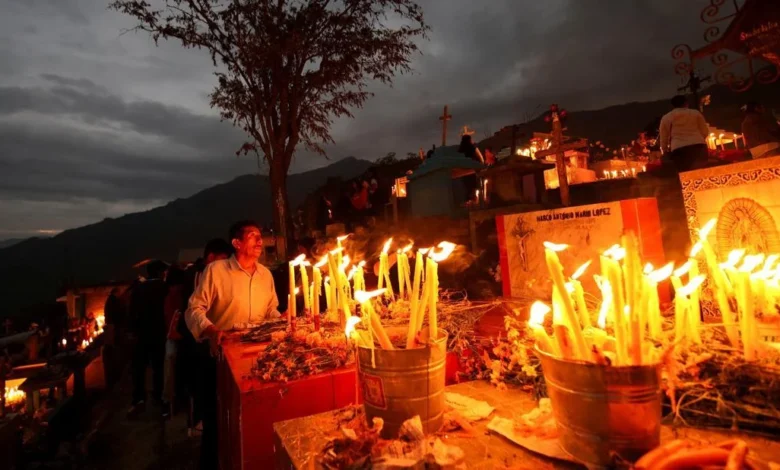
The annual observance of Día de los Muertos, or the Day of the Dead, is typically characterized by vibrant marigold flowers, painted sugar skulls, and festive gatherings intended to honor and remember deceased loved ones. However, in Ciudad Juárez, a city scarred by decades of cartel-related violence and systemic instability, the holiday on November 2, 2026, took a somber and politically charged turn. For hundreds of families, the occasion was not merely one of remembrance, but a poignant reminder of the enduring, unresolved trauma of the "disappeared"—those whose fates remain unknown and whose bodies have yet to be identified or returned to their kin.
Gathering at the San Rafael Cemetery, families of the missing transformed the hallowed grounds into a site of protest and advocacy. Amidst the rows of mass graves, where unidentified remains are often interred, the air was thick with grief and a resolute demand for justice. These families, many of whom have spent years navigating the labyrinthine and often unresponsive judicial system in Mexico, utilized the traditional holiday to pressure authorities into accelerating the forensic identification of human remains found in the region.
The Context of Disappearances in Ciudad Juárez
Ciudad Juárez has long been a focal point for the crisis of enforced disappearances in Mexico. Located on the border with the United States, the city serves as a primary corridor for illicit trade, making it a battleground for competing criminal organizations. This geographic and economic reality has resulted in high levels of homicide and abduction. According to data from the National Registry of Missing and Unidentified Persons (RNPDNO), the number of individuals reported missing across Mexico has surpassed 110,000 since 1964, with a significant concentration of these cases occurring in northern states like Chihuahua, where Ciudad Juárez is situated.
The issue of "mass graves" (fosas clandestinas) is a recurring phenomenon in the region. When unidentified bodies are recovered by law enforcement, they are frequently processed through a system that is overwhelmed by the sheer volume of forensic work required. Families often allege that the state’s failure to properly catalogue and use advanced DNA technology has left thousands of victims buried in anonymity, effectively denying their relatives the ability to mourn or seek closure.
A Chronology of Uncertainty
The struggle for the families in San Rafael is not new; it is the culmination of years of systemic neglect. For many, the timeline of their personal tragedy began years ago, yet the wait for answers remains indefinite.
- Early 2010s: The spike in drug-related violence in Ciudad Juárez led to a surge in disappearances, with both men and women vanishing under suspicious circumstances.
- Mid-2010s: Families began forming grassroots organizations and search collectives (colectivos de búsqueda) to conduct their own investigations, as local police forces were often accused of corruption or complicity.
- 2020-2025: The Mexican government attempted to implement new protocols for forensic identification, including the creation of specialized centers for human identification. However, implementation has been slow, and bureaucratic hurdles continue to impede the process.
- November 2026: On the morning of Día de los Muertos, families held a memorial at the San Rafael Cemetery to mark the anniversary of their ongoing searches and to signal to the federal government that the issue remains a priority.
Personal Testimonies and the Symbolism of Resistance
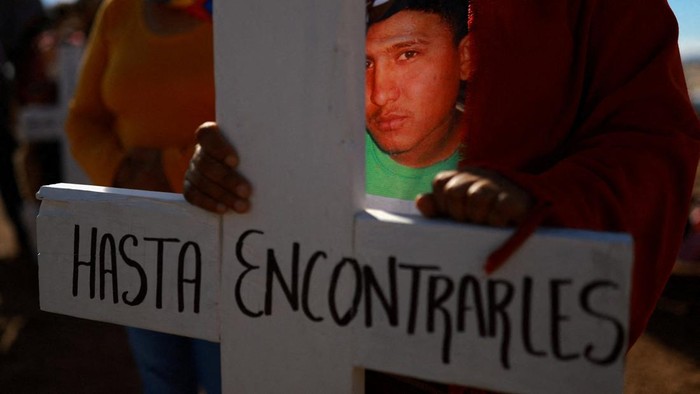
The human element of this crisis was starkly visible through the actions of individuals like Patricia Garcia, whose son, Jacobo Orozco Garcia, vanished at the age of 22. Her presence at the cemetery, clutching a cross inscribed with the words "Until we find them," encapsulates the spirit of the collective. For mothers and fathers in these search groups, the search is an act of defiance against a state that has largely abandoned them to their own devices.
These families do not merely seek the return of remains; they seek an acknowledgment of the truth. By marking the graves with crosses and banners, they force the public and the authorities to look at the reality of the violence that is often sanitized in political discourse. The act of bringing these symbols to a public cemetery during a national holiday is a strategic use of cultural tradition to demand visibility for the invisible.
Forensic Challenges and Governmental Responses
The delay in identification is largely attributed to a lack of resources, technical capacity, and inter-institutional cooperation. Forensic experts note that many of the remains recovered in mass graves are in advanced states of decomposition, necessitating high-level genetic profiling that many local forensic labs in Mexico lack the budget or equipment to perform.
Government agencies have responded to public pressure by pledging to increase the capacity of state forensic laboratories and by engaging with international organizations to verify the integrity of the data systems. However, activists argue that these promises are often rhetorical. The reality for the families at San Rafael is that every year that passes without a positive identification decreases the likelihood of a successful match, as DNA samples degrade and the institutional memory of cases fades.
Broader Implications for Mexican Society
The situation in Ciudad Juárez is a microcosm of the larger, national security challenge facing Mexico. The persistence of these disappearances indicates a failure of the state to provide basic security, ensure the rule of law, and maintain an effective judicial process.
The social fabric of communities in northern Mexico has been irrevocably altered. Beyond the immediate grief of the families, there is a lingering fear that permeates everyday life. When citizens see that the state cannot or will not identify the victims of violence, the perceived impunity of criminal groups grows. This, in turn, discourages witnesses from coming forward and prevents the cycle of violence from being broken.
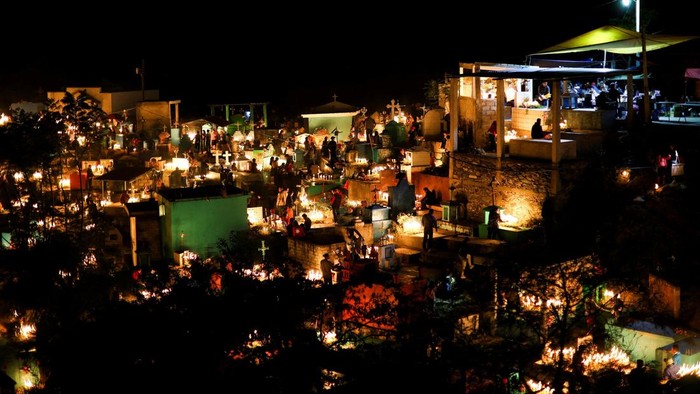
Furthermore, the integration of these protests into the Día de los Muertos festivities highlights a cultural shift. The holiday, which serves to bridge the gap between the living and the dead, is being reclaimed as a tool for political mobilization. It forces the state to confront the "living dead"—the missing persons who are neither officially confirmed dead nor home with their families.
The Path Forward: Advocacy and Accountability
As the country looks toward the future, the families of the missing remain the most vocal proponents of systemic reform. They are calling for:
- Independent Forensic Oversight: An increase in the involvement of international and independent experts to audit the forensic processes currently in place.
- DNA Database Centralization: The creation of a truly national and unified database for genetic profiles, which is currently fragmented across different state and federal agencies.
- Increased Budget Allocation: A sustained increase in funding for the National Search Commission and the state-level forensic commissions to ensure they have the staff and technology required.
- Legal Protections for Searchers: As these families conduct their own searches in dangerous territories, they face significant threats from criminal groups. The state is under pressure to provide adequate protection for these activists.
The demonstration at San Rafael Cemetery on November 2, 2026, serves as a grim reminder that for many in Mexico, the Day of the Dead is not a singular event of celebration. It is a state of existence—a permanent vigil held in the shadow of institutional failure. As long as the graves remain filled with the unidentified, the families will continue to gather, not to say goodbye, but to demand that their loved ones be brought back into the light of history and justice. The resilience shown by these families is a testament to the enduring power of familial bonds, even when faced with the most daunting obstacles of a broken justice system. The international community, watching these developments, recognizes that the stability and human rights record of Mexico will continue to be measured by its success—or failure—in answering the prayers of these families.