Davika Hoorne Charms Jakarta and Global Audiences in Exquisite Indonesian Batik Masterpiece by AnSoe and Rinaldy A. Yunardi

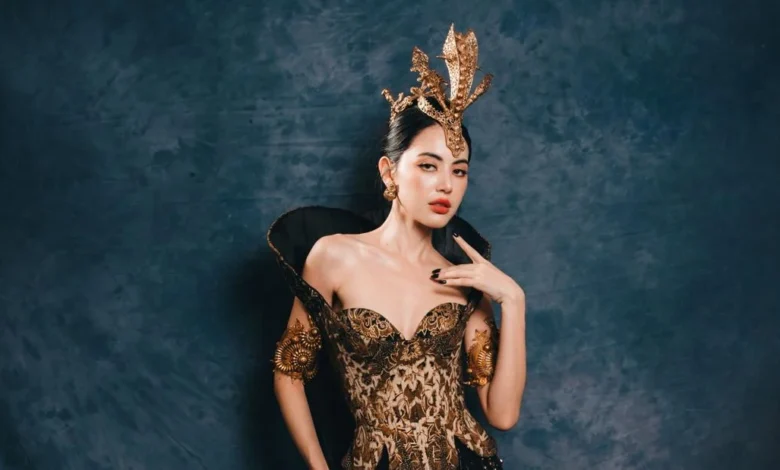
The soft hum of anticipation inside the grand screening hall of Grand Indonesia dissolved into awestruck murmurs as Thai superstar Davika Hoorne stepped onto the red carpet. It was the closing night of the Jakarta World Cinema 2026 festival, a milestone event that had drawn cinematic luminaries, directors, and cultural ambassadors from across Southeast Asia. Yet, amidst the glittering array of international designer gowns, it was Hoorne’s sartorial tribute to traditional Indonesian textiles that ultimately captured the cultural zeitgeist of the evening. Clad in a breathtaking ensemble crafted from indigenous batik, the 34-year-old actress effortlessly bridged the worlds of contemporary high fashion and centuries-old artisan heritage, sparking an immediate wave of admiration both locally and across her vast digital footprint.
The striking photographic series, published across Hoorne’s verified social media channels on Sunday, November 9, 2026, showcased the multi-talented celebrity in a dramatic architectural silhouette. The garment was meticulously brought to life by the celebrated Indonesian design duo Andika Pramudya and Satria Soewiryo, the creative forces behind the avant-garde fashion label AnSoe. Known for their ability to fuse traditional Indonesian narratives with modern, structural silhouettes, the designers constructed a masterpiece that redefined how batik can be interpreted on an international stage.
An Architectural Fusion of Heritage and Avant-Garde Design
At the core of the ensemble was a tightly structured batik bustier that accentuated the actress’s frame, elevated by avant-garde decorative accents along the shoulder line that lent a commanding, statuesque presence to her posture. Flowing downward from the structured bodice was a dramatic, sweeping floor-length train that cascaded across the floor with every measured step. The fabric of the train was intricately detailed with shimmering gold embroidery, cleverly mirroring and accentuating the underlying traditional batik motifs.
The seamless integration of traditional hand-waxed textile art with modern tailoring highlights a growing trend among Southeast Asian designers: elevating indigenous crafts to the echelons of global couture. AnSoe’s creation for Hoorne was not merely a dress; it was a wearable canvas that honored the philosophical depth of Indonesian batik—a textile art recognized by UNESCO as a Masterpiece of the Oral and Intangible Heritage of Humanity.
Elevating the look even further, Hoorne adorned herself with bespoke artisan accessories conceptualized and executed by Indonesia’s premier accessory designer, Rinaldy A. Yunardi. Renowned for his otherworldly creations that have previously graced international pop icons such as Beyoncé, Katy Perry, and Madonna, Yunardi curated a collection of metallic statement pieces specifically for the Thai actress. The curation included striking arm cuffs, elaborate earrings, and a captivating, avant-garde headpiece featuring a distinctive horn-like architectural structure.
In a brief interview regarding the collaboration, Yunardi revealed the painstaking craftsmanship required to bring the accessories to life. Crafted entirely from malleable metal and fine wire, every single piece was meticulously fabricated by hand. The intricate metalwork provided a metallic counterbalance to the organic warmth of the batik fabric, successfully merging ancient textile traditions with a futuristic aesthetic. This marked another chapter in a collaborative relationship between Hoorne and Yunardi, with the actress having previously donned the Indonesian designer’s conceptual creations during past high-profile appearances. Her longstanding affinity for AnSoe’s sartorial vision—having first worn creations from the label two years prior—underscores a genuine, sustained appreciation for the Indonesian fashion ecosystem rather than a transient promotional endeavor.
The Cultural Context of Jakarta World Cinema 2026
Davika Hoorne’s high-fashion moment did not occur in a vacuum; it was the crown jewel of her official visit to Jakarta to attend the closing ceremony of the prestigious Jakarta World Cinema (JWC) 2026. Established as a premier cinematic platform in the region, JWC has steadily grown in stature, serving as a critical cultural bridge that connects Indonesian filmmakers, actors, and audiences with the broader global film community.
The 2026 iteration of the festival brought together cinematic works from dozens of countries, fostering cross-cultural dialogues, co-production opportunities, and artistic exchanges. By inviting prominent regional figures like Hoorne—who commands immense international recognition following critically acclaimed performances in both television and film—the festival reinforced Jakarta’s position as an emerging epicenter for Southeast Asian entertainment and creative industries.
Hoorne’s presence at the festival’s conclusion underscored the interconnected nature of the region’s creative economies. As Thai dramas and films continue to find massive receptive audiences across Indonesia, and vice versa, cultural exchanges are increasingly manifesting through lifestyle, fashion, and mutual artistic support. When Hoorne stepped onto the red carpet wearing a garment deeply rooted in Indonesian culture, it transcended a simple red-carpet appearance; it became a powerful diplomatic gesture of cultural solidarity and mutual respect between two neighboring creative powerhouses.
Digital Resonance and Global Audience Engagement
The visual documentation of Hoorne’s batik look quickly translated into unprecedented digital engagement. Shortly after uploading the photographic series to her Instagram account—where she commands a massive audience of 17.7 million followers—the post was inundated with hundreds of thousands of likes and tens of thousands of congratulatory comments.
In a heartfelt gesture directed at her Indonesian fanbase and the creative minds behind her look, Hoorne captioned the post with a simple yet poignant message: "Thank you Indonesia." The comment section swiftly transformed into a digital forum of national pride, with Indonesian netizens praising the actress for her respectful and stunning portrayal of their cultural heritage, while simultaneously lauding the craftsmanship of AnSoe and Rinaldy A. Yunardi.
Industry analysts note that celebrity endorsements of this magnitude hold invaluable weight for the promotion of national creative industries. In an era dominated by fast fashion and Western-centric red-carpet standards, seeing an A-list international celebrity willingly champion indigenous textiles on a global platform provides an exponential boost to local artisans. It validates the commercial and aesthetic viability of traditional craftsmanship on the international stage, proving that heritage fabrics possess the versatility to compete with, and often surpass, conventional Western haute couture.
Broader Economic and Cultural Implications for Indonesian Fashion
The widespread acclaim garnered by Davika Hoorne’s ensemble serves as a timely case study in cultural diplomacy and soft power marketing. For years, the Indonesian government, alongside private fashion councils and creative agencies, has pushed for the internationalization of local fashion brands. Initiatives such as the promotion of batik on National Batik Day and various global fashion week showcases are designed to position Indonesia as a dominant textile hub.
However, organic endorsements by international stars often yield more profound cultural resonance than formal institutional campaigns. When an influential artist like Hoorne chooses to wear Indonesian couture—not out of a contractual obligation, but as a genuine celebration of artistry—it generates authentic interest among global consumers. This exposure directly benefits local supply chains, ranging from regional batik artisans and hand-weavers in Central and Java, to independent metalworkers and accessory designers in urban creative hubs like Jakarta.
Furthermore, the collaboration between AnSoe and Rinaldy A. Yunardi highlights the collaborative strength of the Indonesian fashion ecosystem. By pooling their distinct expertise—textile structuralism and avant-garde ornamentation—these designers demonstrated that local labels possess the capacity to execute complex, high-concept commissions fit for international icons.
As the echoes of the Jakarta World Cinema 2026 festival begin to fade, the enduring image of Davika Hoorne in her golden-embroidered batik gown remains a testament to the timeless appeal of Indonesian heritage. It stands as a clear indicator that traditional textiles, when paired with visionary contemporary design and worn with genuine appreciation, hold the universal power to captivate audiences across borders, languages, and cultures.