Mohamed Salahs casual vacation photo in Trabzon transforms an ordinary rock into a global tourism phenomenon

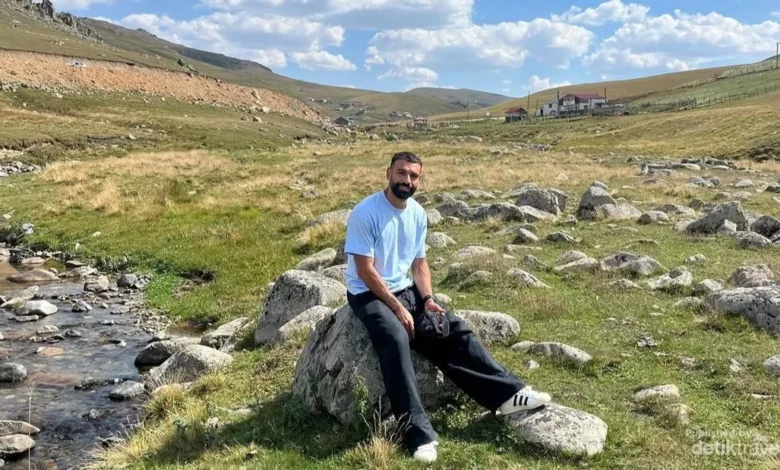
The power of celebrity influence in the digital age has reached a peculiar zenith in the historic Turkish city of Trabzon, where a simple photograph taken by Liverpool and Egypt football star Mohamed Salah has turned an unassuming geological feature into a burgeoning tourist attraction. The incident, which occurred during the off-season, serves as a compelling case study on how social media reach can instantly alter the economic and cultural landscape of a local destination.
The Chronology of an Unlikely Landmark
The event began when Mohamed Salah, currently one of the most recognizable athletes in world football, visited the Black Sea region of Turkey for a brief holiday. Known for his preference for privacy during his limited downtime, Salah opted to explore the natural landscapes surrounding Trabzon, a city renowned for its lush mountains, Byzantine history, and proximity to the Uzungöl lake.
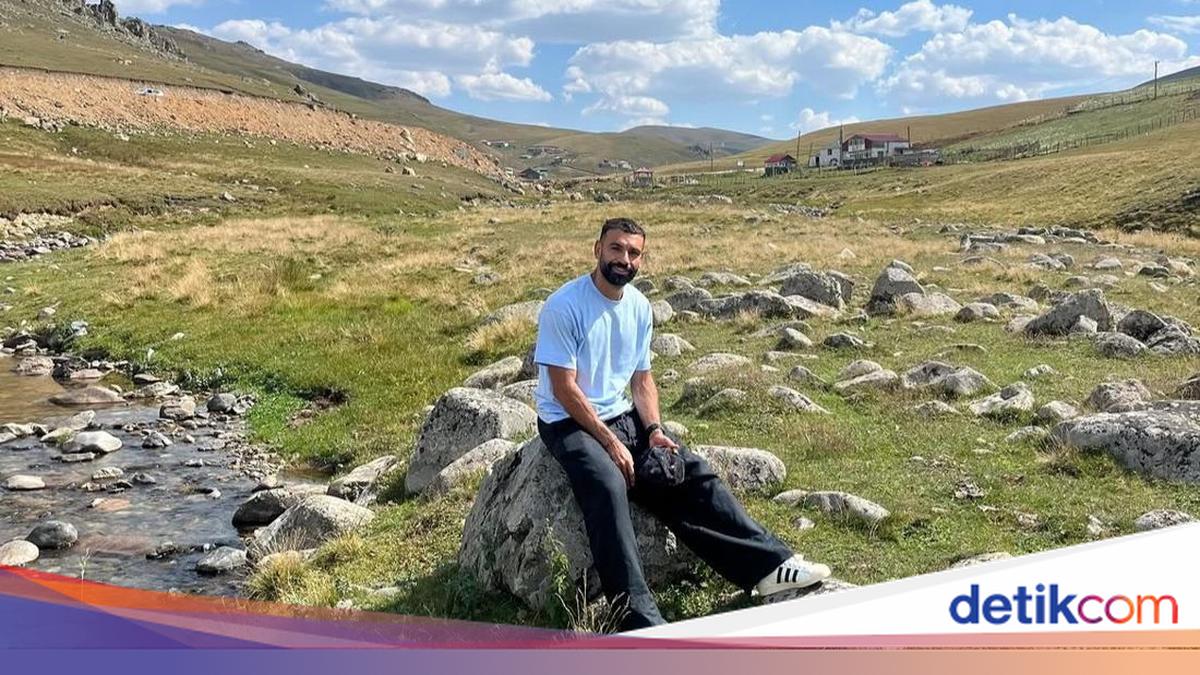
During a hike through a rugged trail, Salah stopped to rest on a large, unremarkable boulder. He subsequently posted a photograph of himself seated on the stone to his social media platforms. Within minutes, the image garnered millions of interactions. While the location was not explicitly geotagged by the athlete, eagle-eyed fans and local residents familiar with the region’s topography quickly identified the precise coordinates. By the following morning, local visitors had already begun trekking to the site to capture their own images atop the rock.
Trabzon: A Destination in Transition
To understand why a simple rock has become a site of pilgrimage, one must look at the broader context of Trabzon’s tourism industry. Located in northeastern Turkey, Trabzon has historically been a transit point for trade between the Caucasus and the Middle East. Over the past decade, however, it has aggressively rebranded itself as a premier destination for nature-based tourism.
Data from the Turkish Ministry of Culture and Tourism indicates that the Black Sea region has seen a 25% increase in international arrivals over the last five years. Much of this growth is attributed to travelers from the Gulf States and North Africa, demographics that frequently overlap with Mohamed Salah’s primary fanbase. The region’s temperate climate, which offers a respite from the extreme heat of the Middle Eastern summer, combined with the "Salah Effect," has created a perfect storm for localized tourism booms.
The Economics of Celebrity Endorsement
While tourism boards often spend millions of dollars on marketing campaigns, the "Salah Rock" phenomenon represents a form of "organic marketing" that is arguably more effective. Economically, this creates immediate ripple effects. Local vendors, cafes, and tour operators in the immediate vicinity of the rock have reported a noticeable uptick in foot traffic.
Public relations analysts suggest that this phenomenon is part of a larger trend known as "set-jetting" or, in this case, "celeb-spotting tourism." Travelers are increasingly motivated to visit locations where their idols have spent time, seeking a tangible connection to the celebrity’s lived experience. In Trabzon, this has necessitated a minor shift in local infrastructure; local authorities have begun discussing the feasibility of maintaining the trail leading to the rock and providing basic safety signage, as the influx of amateur hikers to the previously quiet path has increased significantly.
Official Perspectives and Local Reactions
Local government officials in Trabzon have viewed the unexpected attention with a mix of amusement and strategic interest. While there are no plans to formalize the rock as a state-protected monument, the tourism department has acknowledged the utility of the exposure.
"We welcome the attention that world-class athletes bring to our region," stated a spokesperson for the local chamber of commerce. "Trabzon has a wealth of history and natural beauty that stands on its own merits, but we recognize that social media trends act as a catalyst for awareness. If a photograph encourages visitors to explore the wider beauty of the Trabzon province—the Sumela Monastery, the Ayasofya Mosque, and our highland plateaus—then the impact is undeniably positive for our local economy."
However, some local environmentalists have raised concerns regarding the sustainability of such sudden interest. The path to the "Salah Rock" was never designed for high-volume foot traffic. There is a potential risk of soil erosion and littering if the site remains unregulated. This has prompted a debate within the municipal council regarding the balance between capitalizing on tourism trends and preserving the natural integrity of the Black Sea highlands.
Broader Implications: The Digital Footprint
The incident involving Mohamed Salah is not an isolated event but a clear indicator of how athletes have become cultural influencers whose reach far exceeds the stadium. When a player of Salah’s caliber travels, they effectively carry a media house with them.

From an analytical standpoint, the implications are twofold. First, it underscores the diminishing barrier between public spaces and private lives. As celebrities share more of their travels, the world effectively shrinks; every bench, street corner, or rock becomes a potential site of global interest. Second, it highlights the agility required by local governments in the digital era. A destination that once relied on seasonal brochures and travel agents must now be prepared to manage sudden, viral spikes in interest driven by a single social media post.
Analyzing the "Salah Effect" in Sports Marketing
In the world of sports marketing, the "Salah Effect" is a well-documented phenomenon. His influence on tourism in his home country of Egypt, for instance, has been significant, with the Egyptian Tourism Authority leveraging his image to promote the country as a safe and vibrant destination. By transplanting this influence to Trabzon, Salah has demonstrated that his brand power is not limited to his home soil or his club’s city.
For the tourism sector, the lesson is clear: the most effective marketing is often the most accidental. By simply existing in a space, a global icon provides a level of legitimacy to a destination that no paid advertisement could replicate. It provides the "social proof" that a location is worth visiting.
Future Outlook for the Region
As the initial hype settles, the focus in Trabzon is shifting toward sustainability. The challenge now lies in ensuring that the visitors who arrive seeking a "Salah-style" photo are encouraged to explore the deeper offerings of the region. Local tourism operators are already creating "Trabzon Highlights" packages that include the famous rock as a novelty stop, while emphasizing the historical and cultural depth of the city.
The rock itself remains, for now, just a rock—a testament to the enduring power of the digital age to reframe our perception of the physical world. Whether this site remains a permanent fixture on the tourist trail or fades back into the landscape remains to be seen. What is certain is that in the era of global connectivity, the influence of a single individual—and their digital reach—can alter the trajectory of a local economy overnight.
As for Mohamed Salah, the incident is a reminder of the immense responsibility that accompanies his platform. His casual choice of a resting spot has inadvertently sparked a conversation about the intersection of sport, tourism, and environmental stewardship, proving that even in the world of high-stakes football, the smallest actions can leave the most lasting impressions. The story of the Trabzon rock is, ultimately, a story about the modern traveler’s desire for connection, the immense reach of celebrity, and the ever-changing face of global tourism.