Suzuki Grand Vitara 2026: Price, Features, and Fuel Efficiency Analysis for the Urban Market

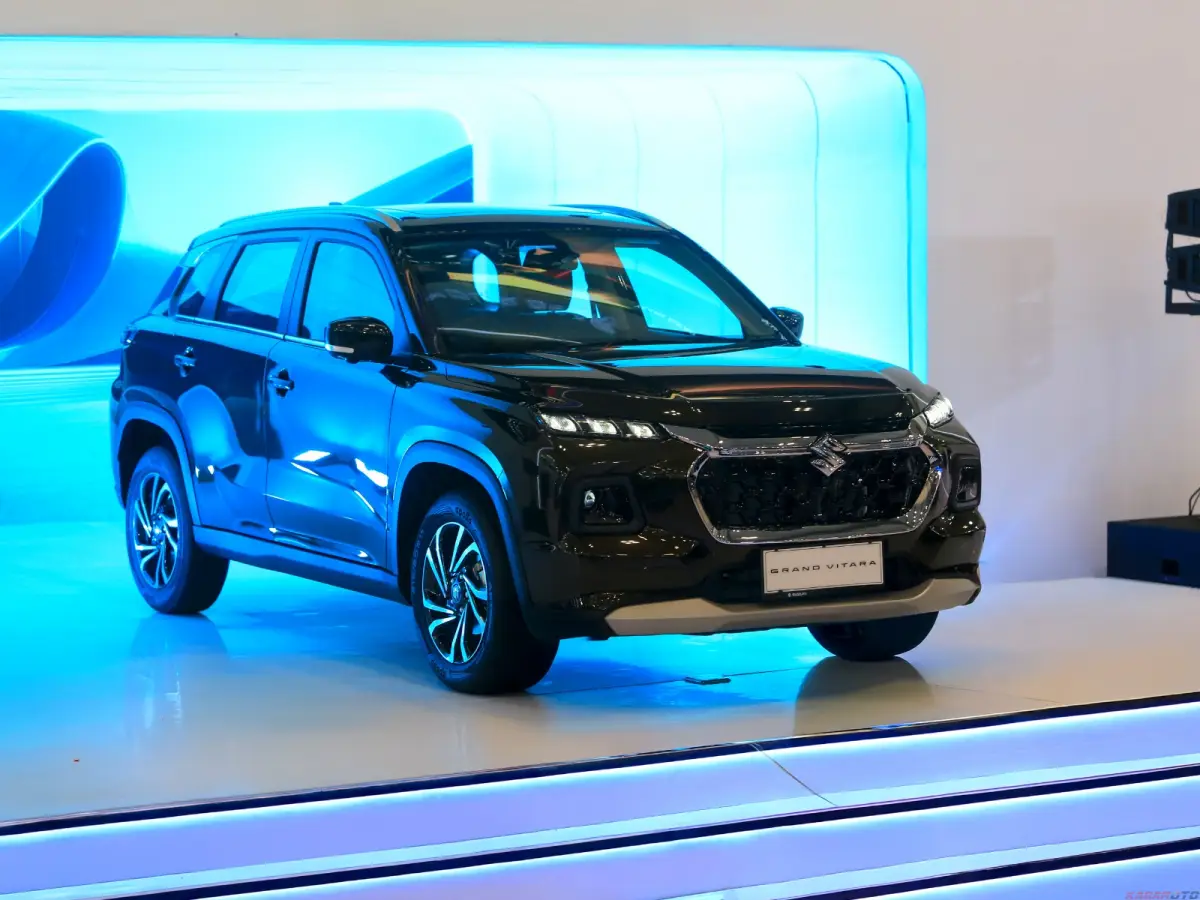
Selecting an SUV for daily commuting requires a multifaceted evaluation that extends well beyond mere aesthetics. Modern drivers must weigh fuel economy, cabin ergonomics, safety protocols, and long-term operational costs, particularly when navigating the dense, stop-and-go traffic characteristic of major metropolitan centers. As urban infrastructure becomes increasingly congested, the 2026 Suzuki Grand Vitara has emerged as a focal point for automotive analysts and consumers alike, positioning itself as a strategic balance between contemporary design and functional hybrid technology. By integrating the Smart Hybrid Vehicle by Suzuki (SHVS) system, the vehicle addresses the growing consumer demand for sustainable mobility without the infrastructure constraints often associated with full-electric or plug-in hybrid vehicles.
The Evolution of the Grand Vitara Nameplate
The Grand Vitara lineage represents one of Suzuki’s most enduring contributions to the automotive sector. Originally introduced as a rugged, off-road capable vehicle in the late 1980s, the model has undergone significant transformations over the decades. The current iteration, entering the 2026 model year, represents a shift from the heavy-duty, ladder-frame construction of its predecessors to a modern, unibody crossover platform. This transition reflects a broader industry trend where manufacturers are pivoting toward urban-centric SUVs that prioritize maneuverability, fuel efficiency, and passenger comfort while maintaining the elevated seating position and commanding presence that consumers associate with the SUV category.
Engineering and Technical Specifications
At the heart of the 2026 Grand Vitara lies a 1.5-liter, four-cylinder gasoline engine, meticulously engineered to work in tandem with Suzuki’s proprietary SHVS mild-hybrid system. Unlike a full-hybrid architecture that utilizes large, high-voltage battery packs to drive the wheels independently for extended periods, the SHVS system is designed to provide "torque assist" during acceleration and manage electrical loads to reduce the engine’s parasitic drag.
The system utilizes an Integrated Starter Generator (ISG) connected to a compact 12-volt or 48-volt lithium-ion battery pack. This setup allows for a more seamless stop-start function, which is critical in urban environments where the engine is frequently cycled off at traffic signals. By capturing kinetic energy during deceleration—a process known as regenerative braking—the ISG converts that energy into electricity, storing it for use when the engine requires the most power, such as moving from a standstill. This technical configuration ensures that the vehicle remains lightweight, affordable, and accessible, avoiding the significant price premiums typically associated with complex full-hybrid powertrains.
Performance and Fuel Efficiency Metrics
One of the most compelling aspects of the 2026 Grand Vitara is its fuel economy, with official data suggesting a potential efficiency of up to 20 kilometers per liter (km/L). In the context of rising global fuel prices and increased environmental consciousness, this metric serves as a key performance indicator (KPI) for the vehicle’s market viability.
However, industry experts emphasize that such figures are often achieved under standardized laboratory conditions. In real-world applications, factors such as ambient temperature, tire pressure, the use of climate control systems, and individual driving habits significantly influence actual consumption. The vehicle’s performance is further supported by its aerodynamic design, which reduces drag coefficient—a critical factor in highway fuel efficiency. The 210 mm ground clearance, while primarily intended for traversing uneven road surfaces and minor flooding in tropical climates, also plays a role in the vehicle’s versatility, allowing it to navigate urban obstacles that might otherwise pose a challenge to lower-slung sedans.
Safety Protocols and Interior Ergonomics
Safety remains a paramount concern for manufacturers, and the 2026 Grand Vitara incorporates a suite of active and passive safety features. These include Electronic Stability Program (ESP), multiple airbag configurations, and an Anti-lock Braking System (ABS) with Electronic Brakeforce Distribution (EBD). The integration of Hill Hold Control (HHC) further assists drivers in navigating steep urban inclines, reducing the stress associated with manual gear management in stop-and-go traffic.
Inside the cabin, the focus shifts to ergonomics and connectivity. Suzuki has prioritized a driver-centric layout, featuring a high-resolution infotainment display that supports seamless smartphone integration. The use of premium materials for upholstery and soft-touch surfaces on the dashboard reflects a push to compete with higher-tier SUV segments. The cabin’s acoustic insulation has also been refined to dampen road and wind noise, a necessary upgrade for a vehicle intended to serve as a mobile sanctuary during peak-hour commutes.
Market Positioning and Economic Implications
The 2026 Suzuki Grand Vitara enters a hyper-competitive segment, often referred to as the "compact SUV" class. Priced starting at approximately IDR 419 million, the vehicle occupies a strategic space between entry-level crossovers and more expensive, luxury-oriented SUVs. This pricing strategy suggests that Suzuki is targeting the "value-conscious professional" demographic—buyers who require a reliable daily driver but are unwilling to compromise on build quality or modern technological features.
The broader implications of this pricing and feature set are significant. By making mild-hybrid technology accessible at a sub-IDR 500 million price point, Suzuki is effectively democratizing the transition toward electrified powertrains. For many consumers in developing markets, the Grand Vitara represents a bridge to cleaner technology without the anxiety of limited charging infrastructure.
Industry Analysis: The Role of Mild-Hybrid Systems
Automotive analysts have noted that the adoption of mild-hybrid systems across the industry is a pragmatic response to tightening emission regulations. While full-electric vehicles (EVs) are the long-term objective for many governments, the transition phase relies heavily on the incremental improvements provided by systems like SHVS.
The Grand Vitara’s reliance on a conventional internal combustion engine (ICE) assisted by a small electric motor provides a "familiarity advantage." Drivers do not need to alter their fueling habits or learn new charging protocols, which remains a substantial barrier to entry for many potential EV buyers. Furthermore, the longevity and simplicity of the mild-hybrid system contribute to lower long-term maintenance costs compared to the complex cooling and battery management systems found in full-hybrid or battery-electric vehicles.
Future Outlook and Consumer Considerations
For prospective buyers, the decision to purchase the 2026 Grand Vitara should be guided by a thorough assessment of their specific needs. If the primary objective is pure electric range, the vehicle may fall short of expectations. However, for those seeking a durable, fuel-efficient, and feature-rich vehicle that can handle the rigors of daily urban life, the Grand Vitara offers a compelling value proposition.
The vehicle’s longevity in the market also benefits from the strength of Suzuki’s after-sales support network, which ensures that parts and technical expertise are readily available. This logistical support is often overlooked in initial purchase considerations but remains a critical factor in the total cost of ownership (TCO) over a five-to-ten-year lifecycle.
As the automotive industry continues to evolve, the 2026 Suzuki Grand Vitara stands as a testament to the viability of well-executed, iterative engineering. By focusing on what matters most to the daily commuter—efficiency, comfort, and reliability—Suzuki has ensured that the Grand Vitara remains a relevant and competitive choice in an increasingly crowded marketplace. Whether for the urban professional navigating the concrete jungle or the small family looking for a versatile weekend companion, the Grand Vitara’s blend of technology and practicality offers a balanced solution to the complexities of modern mobility.
In conclusion, the 2026 Grand Vitara is not merely a cosmetic update but a calculated effort to align with the dual demands of economic prudence and environmental responsibility. Its success will likely be determined by its ability to maintain its fuel efficiency claims under diverse, real-world conditions and its capacity to sustain customer loyalty in a segment where technological disruption is the new norm.