Toyota Kijang Innova G Reborn Diesel 2019 Masih Menjadi Pilihan Utama di Pasar Mobil Bekas Indonesia


The Indonesian automotive market has consistently demonstrated a unique preference for Multi-Purpose Vehicles (MPVs) that combine durability, performance, and resale value. Among the myriad of options available in the pre-owned sector, the 2019 Toyota Kijang Innova G Reborn Diesel stands out as a paragon of reliability. Since its introduction, the "Reborn" generation has redefined the MPV segment, transitioning the Kijang from a utilitarian family carrier into a sophisticated vehicle that balances rugged engineering with modern aesthetic appeal.
The Legacy of the Reborn Generation
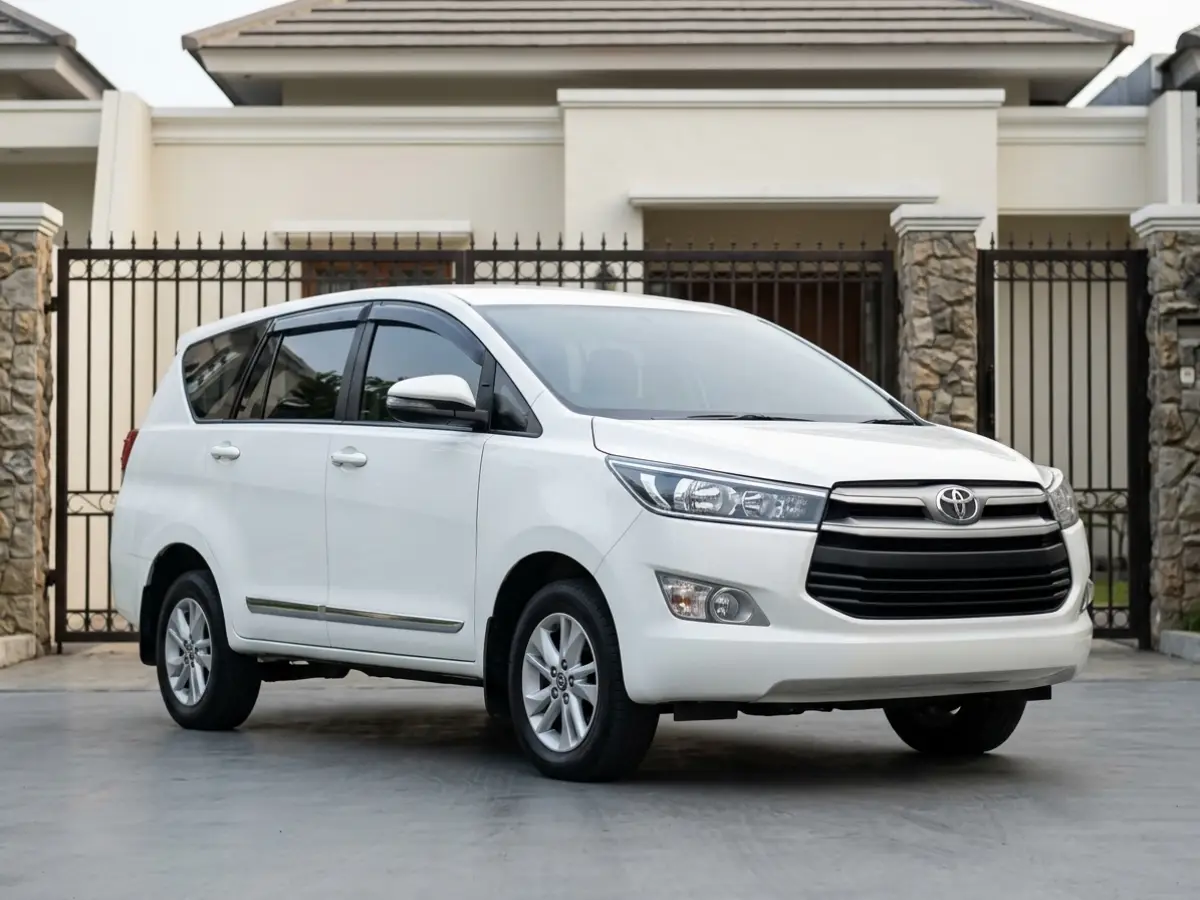
The "Reborn" era, which commenced in late 2015, marked a significant departure from the previous Kijang iterations. Toyota sought to elevate the model to meet the demands of an increasingly affluent middle class. By 2019, the model had reached a state of maturity in the market. The design philosophy of the 2019 model featured a bolder, more aerodynamic silhouette characterized by an imposing chrome-accented grille and sharp body lines that exude a sense of permanence and strength.
For prospective buyers, the 2019 model year is particularly attractive. It represents a "sweet spot" in terms of depreciation and technological relevance. Unlike older generations, the 2019 unit features a contemporary interior layout and a chassis refined for modern road conditions, ensuring that the driving experience remains competitive even against newer competitors.
Engineering Excellence: The 2GD-FTV Powerplant
The cornerstone of the Innova G Diesel’s enduring popularity is undoubtedly its engine. Under the hood lies the 2GD-FTV 2,393 cc four-cylinder engine. This power unit is a masterclass in diesel engineering, incorporating advanced technologies such as Common Rail Direct Injection and a Variable Nozzle Turbocharger (VNT) with an Intercooler.
From a technical standpoint, the 2GD-FTV produces 149 PS at 3,400 rpm. However, the true strength of this engine lies in its torque delivery. The manual transmission variant generates 342 Nm of torque, while the six-speed automatic—equipped with the intuitive Sport Sequential Switchmatic—delivers an impressive 360 Nm. This high torque availability at low RPMs allows the vehicle to maintain composure even when fully loaded with seven passengers, making it the preferred choice for long-distance travel across Indonesia’s diverse terrain.
The Rear-Wheel Drive (RWD) configuration remains a critical selling point. While many modern compact MPVs have transitioned to Front-Wheel Drive (FWD) for efficiency, the RWD setup of the Innova provides superior traction when climbing steep inclines, a common necessity in mountainous regions.
Cabin Ergonomics and Feature Set
While the "G" variant is positioned as the entry-level trim within the Innova lineup, it offers a level of comfort that belies its status. The cabin is designed with a focus on spatial efficiency, providing ample legroom and headroom for all seven occupants. The interior materials, featuring high-quality fabric seating, are engineered for durability, reflecting the model’s intent to serve as a long-term family asset.
Technology integration in the 2019 model includes a 7-inch head unit that covers essential multimedia needs, including Bluetooth connectivity, USB and AUX inputs, and legacy CD/DVD support. The air conditioning system is bolstered by a double-blower setup, ensuring that passengers in the rear rows experience the same thermal comfort as those in the front—a vital feature for the tropical climate of Southeast Asia.
Safety and Regulatory Standards
Toyota has consistently prioritized safety in its MPV segment, and the 2019 Innova G is no exception. It is equipped with a comprehensive suite of safety features that align with global standards of the time. These include:
- Vehicle Stability Control (VSC): Mitigates the risk of skidding during cornering.
- Hill Start Assist (HSA): Prevents rollback on inclines, enhancing driver confidence.
- Anti-lock Braking System (ABS) and Electronic Brakeforce Distribution (EBD): Ensures controlled stopping power under various load conditions.
- Emergency Brake Signal: Provides a visual warning to trailing vehicles during sudden stops.
- Passive Safety: Dual SRS airbags and ISOFIX anchor points for child seats ensure that the vehicle meets the requirements for a family-oriented transport solution.
Market Context and Economic Implications
The resilience of the Innova G Diesel’s price in the secondary market is a testament to its "bulletproof" reputation. Automotive analysts note that the demand for diesel-powered MPVs has remained high due to the fuel efficiency relative to the vehicle’s weight and the long-term reliability of the Toyota diesel engine.
The chronology of the Innova’s success in Indonesia is tied to its role as a "National Car." Since its inception decades ago, the Kijang has evolved alongside the Indonesian economy. The 2019 model captures a period where the market demanded more than just utility; it demanded prestige. By choosing a used 2019 unit, consumers are essentially opting for a vehicle that has passed the initial steep depreciation curve while retaining 80-90% of its operational capacity.
Industry experts observe that for buyers in 2024 and beyond, the Innova G 2019 represents a lower total cost of ownership (TCO) compared to newer, smaller turbocharged engines that may require more frequent maintenance or higher-octane fuels. The accessibility of spare parts and the widespread expertise of mechanics in handling the 2GD engine further solidify its status as a "low-risk" purchase in the pre-owned market.
Comparative Analysis: G Variant vs. Higher Trims
While the V and Q trims offer more luxurious amenities—such as automatic climate control, leather upholstery, and additional lighting features—the G variant remains the most pragmatic choice. The lack of complex electronic "bells and whistles" in the G trim translates into fewer potential failure points as the vehicle ages. For those who prioritize utility over luxury, the G trim offers the exact same mechanical foundation as its more expensive siblings, ensuring that performance is not compromised.
Maintenance and Long-Term Viability
One of the most frequently asked questions regarding the 2019 diesel model is its tolerance for lower-quality fuels. While the 2GD-FTV engine is sophisticated, it has proven to be remarkably robust when subjected to the fuel quality variations found in remote areas of the archipelago, provided that regular maintenance intervals—specifically regarding fuel filter replacements—are strictly adhered to.
Maintenance data suggests that the Innova Reborn has a lower-than-average frequency of unscheduled repairs. The engine block, transmission, and suspension components are over-engineered, allowing the vehicle to withstand heavy usage. This longevity is why the vehicle remains a popular choice for fleet operators and large families alike, who require a vehicle that can clock high mileage without significant downtime.
Conclusion: The Rational Choice
The 2019 Toyota Kijang Innova G Reborn Diesel is more than just a used car; it is a financial and operational asset. In an automotive landscape increasingly dominated by fragile electronics and complex powertrains, the 2019 Innova stands as a reminder of the value of mechanical simplicity and robust design.
For the modern consumer, the choice is clear: if the priority is a vehicle that can handle the rigors of daily commuting, school runs, and inter-city travel with equal ease, while maintaining a predictable maintenance schedule and high resale value, the 2019 Innova G remains an unmatched contender. As the market continues to evolve toward electrification and hybrid technologies, the "Reborn" diesel series is likely to remain a classic, representing the pinnacle of internal combustion MPV development in Indonesia. Its ability to balance the needs of the present with the durability required for the future ensures that it will hold its position in the market for many years to come.