The secondary motorcycle market in Indonesia remains a cornerstone for mobility, particularly for the gig economy workforce, such as ride-hailing drivers and daily commuters. As economic pressures mount and the cost of new vehicles continues to rise, a significant segment of the population is turning toward older, pre-owned motorcycles priced in the range of IDR 2 million. While navigating this price point requires a discerning eye for mechanical integrity, select models from the early 2000s and 2010s continue to offer reliable performance, fuel efficiency, and manageable maintenance costs.
The Economic Context of Budget-Friendly Mobility
The demand for motorcycles under IDR 3 million has spiked as inflation affects the purchasing power of entry-level workers. For many, a motorcycle is not merely a mode of transport but a primary tool for income generation. Data from the Association of Indonesia Motorcycle Industry (AISI) indicates that while national sales figures fluctuate, the "used" sector remains highly active, functioning as a bridge for those who cannot yet justify the premium of new, technology-heavy automatic scooters.
Purchasing a vehicle at this price point necessitates a shift in expectations. Buyers must prioritize mechanical longevity over aesthetic condition. Experts in the automotive repair sector emphasize that at the IDR 2 million price bracket, the primary focus should be on engine health, frame integrity, and the availability of standardized aftermarket spare parts.
1. Honda BeAT Karburator: The Benchmark for Efficiency
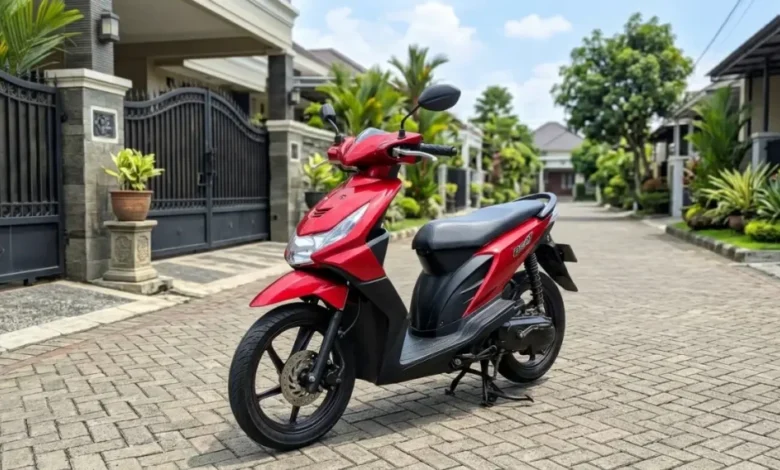
The first-generation Honda BeAT, introduced to the Indonesian market around 2008, remains the gold standard for budget-conscious commuters. Equipped with a 108cc carbureted engine, this scooter was designed for urban agility. Its lightweight chassis and narrow profile allow for seamless navigation through dense traffic, a critical feature for those operating as delivery or ride-hailing couriers.
From a maintenance perspective, the BeAT’s simplicity is its greatest asset. The carbureted system is easily serviced by independent mechanics, and the ecosystem of parts—ranging from OEM (Original Equipment Manufacturer) to third-party alternatives—is vast. However, potential buyers should perform a rigorous inspection of the Continuously Variable Transmission (CVT). Components such as rollers, v-belts, and the clutch housing are susceptible to wear after over a decade of use. Investing in a thorough CVT overhaul immediately after purchase is often recommended to ensure reliability.
2. Suzuki Smash: The Reliable Workhorse
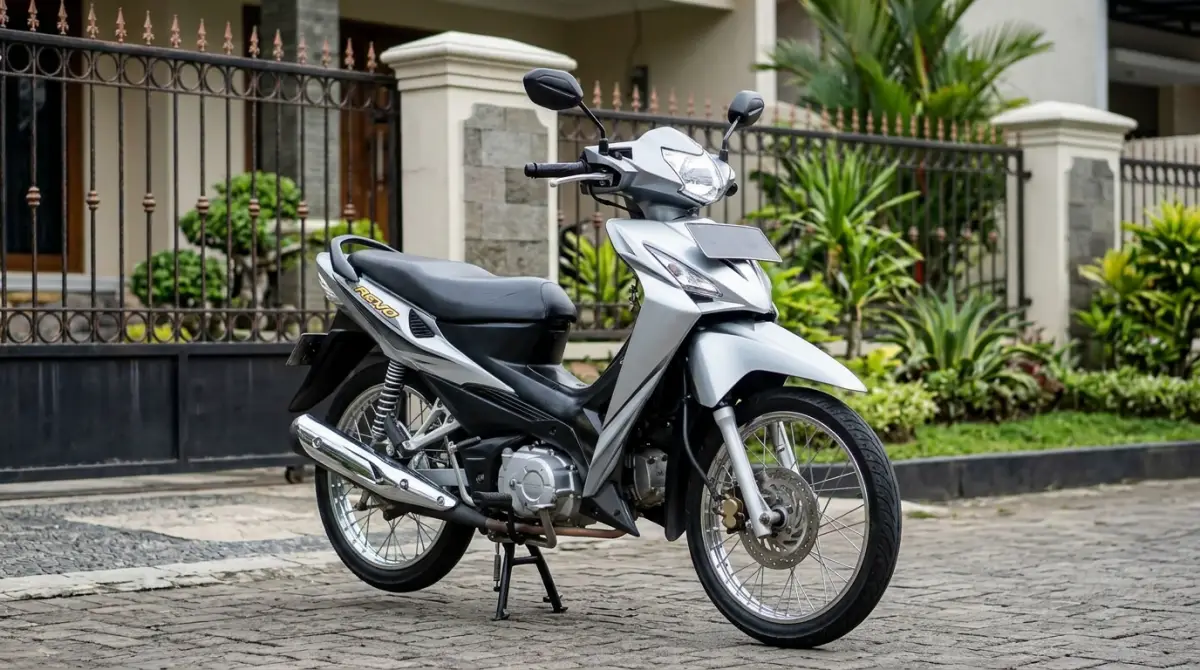
The Suzuki Smash, particularly the early models, holds a reputation for "unbreakable" durability. Often favored by rural and urban users alike, the 110cc engine is known for its robust construction. In the current secondary market, the Smash is frequently priced aggressively, often falling well under the IDR 2.5 million mark, providing a higher probability of securing a unit that has been reasonably well-maintained.
Despite its utilitarian appearance, the Smash offers superior fuel economy compared to many of its contemporaries. The challenge for owners, however, lies in the availability of specific body panels. While engine components are highly compatible with other Suzuki models, aesthetic parts for older Smash iterations are becoming increasingly scarce in physical dealerships, pushing owners to rely on online marketplaces and collector forums.
3. Yamaha Mio Soul: Power and Practicality
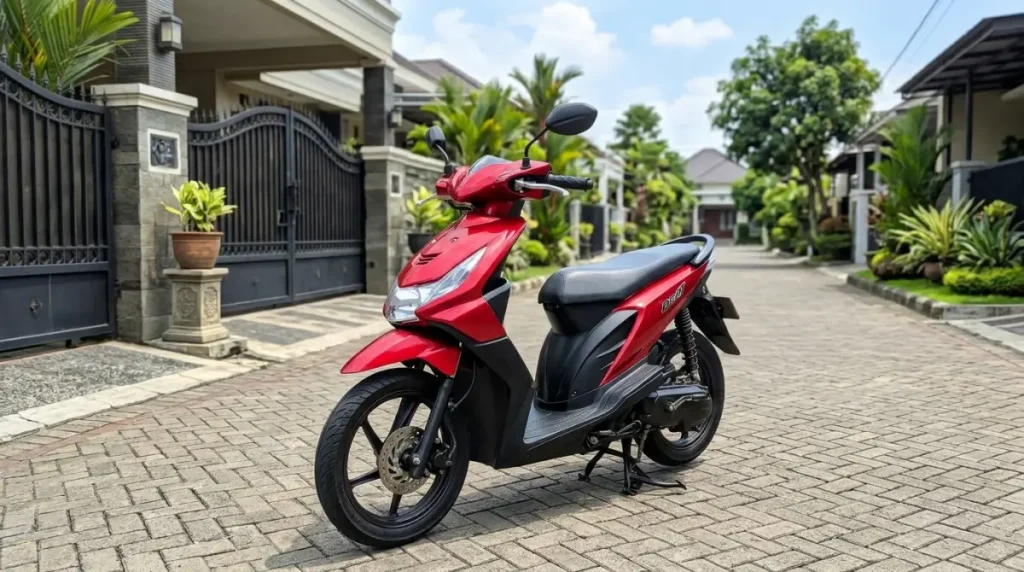
The Yamaha Mio Soul represents a shift toward a more substantial aesthetic in the automatic scooter category. Featuring a 113.7cc engine, the Mio Soul was designed to offer more torque and a more "planted" feel on the road than the standard Mio. For daily commuters who traverse varying terrain or carry heavier loads, the Mio Soul’s slightly more robust frame provides a degree of comfort that smaller scooters lack.
From an engineering standpoint, the Mio Soul shares a significant percentage of its architecture with the wider Yamaha Mio family. This commonality simplifies the search for spare parts. While it may consume slightly more fuel than the Honda BeAT due to its performance-oriented tuning, the difference is often negligible for city riders. Market analysts note that the Mio Soul maintains a strong resale value, typically hovering around the IDR 2.8 million mark, reflecting its continued utility in the market.
4. Yamaha Jupiter Z: The Performance Legacy
The Yamaha Jupiter Z, particularly the "Burhan" (Burung Hantu) generation, is a legendary model in the Indonesian underbone (bebek) category. Renowned for its racing heritage and responsive engine, the Jupiter Z is favored by those who prioritize performance over the convenience of an automatic transmission.
The engine’s longevity is a testament to Yamaha’s engineering in the 2000s. For commuters who face long distances, the manual transmission of the Jupiter Z offers better engine braking and power delivery on inclines compared to entry-level automatic scooters. While finding a unit for exactly IDR 2 million requires patience and negotiation, the return on investment—in terms of engine life and parts availability—is significant.
5. Honda Supra X 125 (Early Gen): The Efficiency King
Rounding out the list is the early-generation Honda Supra X 125. Widely regarded as one of the most fuel-efficient four-stroke motorcycles ever produced in Indonesia, the Supra X is the preferred choice for long-haul commuters. Its reputation for longevity is cemented by a massive secondary market for spare parts and a ubiquity that ensures even the most remote mechanic can service the engine.
The implication of choosing a model like the Supra X is a lower total cost of ownership. Beyond fuel efficiency, the durability of the frame and the simplicity of its electrical system mean that the "cost per kilometer" is significantly lower than that of a newer, sensor-heavy motorcycle.
Critical Considerations for Budget Buyers
When navigating the market for motorcycles in the IDR 2 million range, experts suggest a systematic checklist to mitigate risk:
- Engine Compression Test: A simple check of the engine’s compression can reveal the state of the piston rings and valves. A low-compression engine will be expensive to repair and inefficient to operate.
- Electrical System Integrity: Ensure the charging system (stator and rectifier) is functional. Older motorcycles often suffer from degraded wiring, which can cause intermittent electrical failures.
- Frame Inspection: Look for signs of severe corrosion or previous repair work on the main frame. In tropical climates, frame rust is a silent killer that can compromise safety.
- Legal Documentation: Always verify that the STNK (Vehicle Registration Certificate) and BPKB (Ownership Book) match the physical engine and frame numbers. In the budget segment, "paperless" units should be avoided entirely to prevent legal complications.
The Broader Impact on the Automotive Ecosystem
The persistence of these older models in the daily transport landscape highlights a structural reality: there remains a massive segment of the Indonesian population that requires affordable, entry-level mobility. The rise of the digital economy has only amplified this need. For an ojol driver, a motorcycle is a capital asset. If the asset costs too much to acquire or maintain, the driver’s net income is directly impacted.
Furthermore, the secondary market for these motorcycles supports a thriving ecosystem of small-to-medium enterprises, including local workshops, independent spare parts sellers, and online platforms. By extending the lifecycle of these vehicles, the market effectively contributes to a circular economy, delaying the need for scrappage and reducing the environmental impact associated with the manufacturing of new vehicles.
As technology advances, these carbureted, analog machines serve as a reminder of the fundamental requirements for personal transport: reliability, efficiency, and accessibility. While the market for premium electric motorcycles continues to grow in urban centers, the "IDR 2 million workhorse" remains the backbone of the Indonesian commuting experience, providing an essential service to millions of workers every day. Whether for the daily grind or the demands of the gig economy, these five models continue to prove that value is not always found in the latest showroom release, but in the proven resilience of a well-maintained machine.