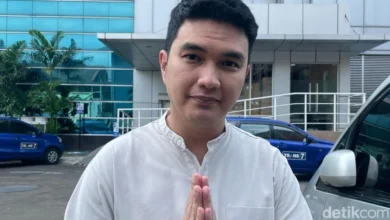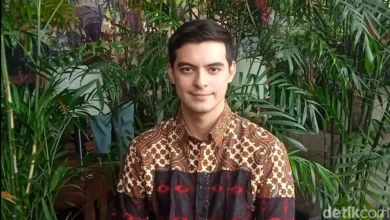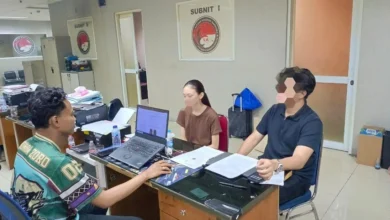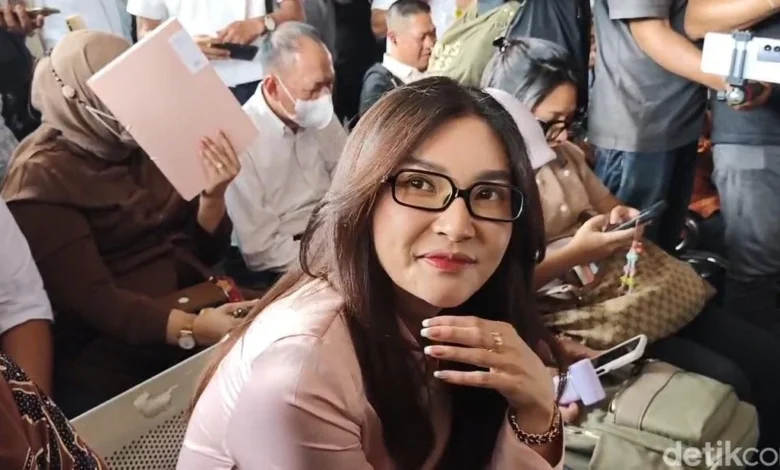
The ongoing legal proceedings between former celebrity couple Sarwendah and Ruben Onsu have reached a critical juncture at the South Jakarta District Court, as both parties navigate the complexities of child custody arrangements following their highly publicized separation. The deadlock in the court-mandated mediation process has sparked public speculation, prompting Sarwendah’s legal representative, Chris Sam Siwu, to formally address the allegations that his client has been obstructing Ruben Onsu’s access to their children.
During a press briefing held in the SCBD area of South Jakarta on Wednesday, September 9, 2026, Siwu provided a detailed rebuttal to claims suggesting that Sarwendah is intentionally preventing the father from visiting his offspring. Siwu emphasized that the legal conflict is not rooted in a lack of willingness to facilitate visitation, but rather in a fundamental disagreement over the procedural mechanisms required to ensure the well-being of the children involved.
Contextualizing the Legal Dispute
The separation of Ruben Onsu and Sarwendah, both prominent figures in the Indonesian entertainment industry, has been characterized by significant public and media attention. Following their divorce, the legal focus shifted toward the formalization of child custody and guardianship rights. In the Indonesian legal system, custody disputes involving minors often necessitate a court-supervised mediation phase, designed to encourage amicable resolutions that prioritize the "best interests of the child"—a principle enshrined in both national law and international conventions like the UN Convention on the Rights of the Child.
The recent breakdown in mediation at the South Jakarta District Court marks a transition from a collaborative resolution attempt to a more adversarial courtroom litigation process. This shift implies that the court will now have to weigh testimonies and evidence presented by both legal teams to arrive at a binding judicial decision regarding custody, visitation schedules, and parental responsibilities.
The Contention Over Medical Clearance
A significant revelation from the recent press briefing concerns the specific reasons behind the failure of the mediation sessions. While initial reports suggested a simple breakdown in communication, the legal team representing Sarwendah has pointed to a specific, non-negotiable condition that was requested during the mediation phase: a comprehensive health examination for both parties.
Chris Sam Siwu explicitly stated that the mediation process collapsed because Ruben Onsu allegedly refused to undergo a health check-up, which the defense team argued was a necessary prerequisite for the safety and psychological welfare of the children. According to Siwu, this demand was presented clearly to the court-appointed mediator.
"The fact remains that the mediation did not succeed because the party represented by RSO (Ruben Onsu) was unwilling to undergo the medical examination for the sake of the children," Siwu asserted. He further noted that the judge serving as the mediator was privy to this refusal, and it was this specific impasse that ultimately led to the declaration that the mediation was unsuccessful.
By emphasizing the medical check-up requirement, Sarwendah’s camp is framing their legal strategy around the concept of parental fitness and child safety. In high-profile custody cases, such requests are often utilized to establish a baseline of physical or mental health, ensuring that the environment in which the children are placed is stable and secure.
Timeline of the Custody Proceedings
The journey toward this current legal impasse has been marked by several key developments:
- Initial Filing: Following the dissolution of the marriage, the legal teams initiated filings at the South Jakarta District Court to formalize custody and guardianship rights.
- Mediation Phase: Under the rules of the Indonesian Supreme Court (PERMA No. 1 of 2016), civil disputes are required to undergo mediation. During this window, both parties met with a court-appointed mediator to discuss visitation rights and parenting plans.
- The Medical Requirement Dispute: As the mediation progressed, Sarwendah’s team introduced the necessity for medical screenings. The refusal of this condition by Ruben Onsu’s side led to a standstill.
- Failure of Mediation: The mediator formally recorded the failure of the sessions, effectively ending the chance for an out-of-court settlement.
- Transition to Litigation: With the failure of mediation, the case proceeded to the merit-based stage of the trial. Sarwendah’s team has confirmed the submission of their formal response and a countersuit via the court’s e-court system.
Rebuttal of Access Obstruction Claims
A central component of the recent statements from Sarwendah’s legal team is the categorical denial of allegations that she is limiting the children’s contact with their father. The legal team is sensitive to the negative optics that such claims generate, as they can influence public perception and, potentially, the court’s assessment of parental cooperation.
"Our client has never blocked a father from seeing his children. This must be underscored. However, the mechanisms of these meetings must be arranged collectively and properly," Siwu explained. He suggested that the friction arises from how these visits are structured, emphasizing that the ideal meeting, according to the client, should involve both parents and the children to ensure a balanced and supportive atmosphere.
This perspective highlights the difference between "access" and "structured visitation." While the defense acknowledges the right of the father to see his children, they are demanding a structured framework that they believe will mitigate conflict and ensure the children are not caught in the crossfire of the legal battle.
Implications of the Legal Shift
The failure of mediation and the subsequent transition to a full trial carry several significant implications for all parties involved:
1. Increased Judicial Oversight: As the case moves to the trial phase, the court will take a more active role in investigating the claims made by both sides. This may involve the testimony of child psychologists or social workers, a common practice in custody litigation to ensure that the court’s decision is based on expert, objective analysis rather than purely legal arguments.
2. Legal Costs and Time: The shift to a full trial inevitably increases the financial burden and the time commitment for both parties. Litigation is significantly more expensive and protracted than a negotiated settlement, potentially extending the period of uncertainty for the children.
3. Impact on Public Image: Given the high visibility of both Sarwendah and Ruben Onsu, the court proceedings will likely remain under the microscope of the media. Both parties must balance their desire to protect their privacy with the need to manage their public narrative, as legal filings and courtroom statements are increasingly becoming matters of public record.
4. The Precedent of Custody Disputes: This case serves as a broader reminder of the complexities of modern divorce in Indonesia, particularly concerning the rights of non-custodial parents and the evolving standards of parental responsibility. The outcome of this case may be cited in future legal discourse regarding the necessity of health evaluations and the role of mediators in high-conflict child custody disputes.
Future Outlook
As the case progresses into the evidentiary stage, observers expect a rigorous examination of the conditions surrounding the custody arrangements. The legal teams are currently preparing their arguments, with Sarwendah’s side focused on the importance of formal, regulated visitation that prioritizes the health and stability of the children.
The court’s ultimate decision will not only resolve the immediate dispute between the former couple but will also set a definitive path for the children’s upbringing in the coming years. For now, the legal representatives maintain that while the path to reconciliation through mediation has closed, the legal process remains the most objective avenue to resolve these sensitive familial issues. The public, meanwhile, remains attentive to the developments in the South Jakarta District Court, awaiting the next steps in what has become one of the most high-profile custody battles in recent Indonesian judicial history.