Nutrition Service Unit in Lamongan Halts Operations Following Landowner Evacuation Demand Over Alleged Misconduct

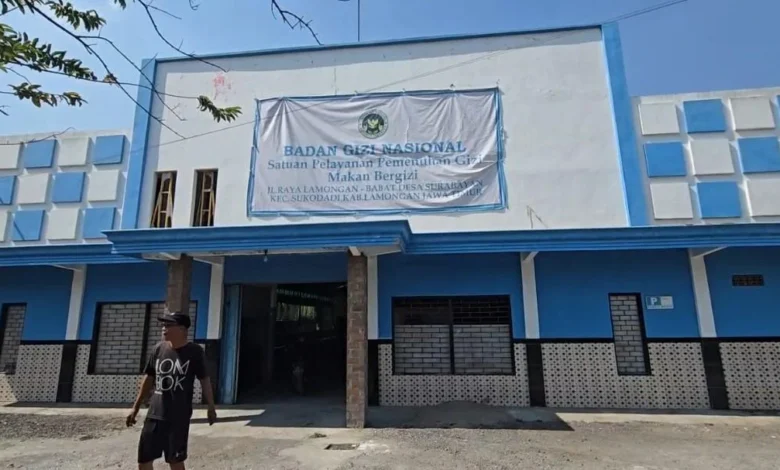
The operational activities of the Satuan Pelayanan Pemenuhan Gizi (SPPG) facility located in Surabayan Village, Sukodadi District, Lamongan Regency, East Java, have officially come to a halt. The sudden closure of the nutrition fulfillment unit stems from a severe land dispute and moral grievances raised by the property owner, who chose not to renew the land lease agreement following allegations of illicit employee behavior within the facility premises.
The controversy erupted after the landowner, identified as Ismawan, received reports from local volunteers detailing alleged immoral conduct involving SPPG personnel inside the operational kitchen area. The incident has triggered local scrutiny regarding the oversight, accountability, and ethical standards expected of community-based nutrition initiatives operating within regional jurisdictions across Indonesia.
Background and Operational Context of SPPG Facilities
Nutrition service units such as the SPPG play a critical strategic role in regional community development and public health frameworks. Designed to support governmental and community-driven nutrition programs, these units typically manage food preparation, dietary distribution, and localized nutritional support for vulnerable populations, including school children and low-income families.
The establishment of such facilities often relies on public-private partnerships, community coordination, and leased private properties to ensure rapid deployment in targeted sub-districts. However, the operational success of these units heavily depends on maintaining harmonious relations with local communities, property lessors, and administrative supervisors. The sudden shutdown in Lamongan highlights the operational vulnerabilities faced by localized public service units when interpersonal conflicts, governance failures, and ethical breaches compromise community trust.
Chronology of the Dispute
The conflict between the property owner and the management of the SPPG facility developed progressively over several weeks, culminating in a permanent closure notice issued in late September 2026.
According to Ismawan, the initial complaints regarding employee misconduct surfaced through local volunteers who observed improper activities occurring within the kitchen premises—an area specifically designated for food preparation and sanitation. Troubled by what he considered a violation of local community norms and the sanctity of the workspace, Ismawan sought immediate administrative recourse.
The property owner stated that he formally reached out to the supervising foundation responsible for managing the SPPG personnel, demanding that the individuals allegedly involved in the misconduct face disciplinary action, up to and including termination. Despite these repeated requests, Ismawan noted that the foundation management failed to initiate any internal investigation, issue disciplinary warnings, or remove the implicated employees.
The breakdown in communication coincided with the formal expiration of the land lease contract. Ismawan confirmed that the formal agreement permitting the utilization of his land for SPPG operations officially lapsed on July 15, 2026. Following the expiration, no formal discussions or lease extensions were negotiated between the foundation and the landowner.
With the contract expired and his grievances regarding employee conduct unaddressed, Ismawan took definitive administrative action. On Friday, September 25, 2026, he dispatched an official written notice to the Head of SPPG Surabayan-Sukodadi, formally declaring the termination of land utilization rights. Copies of the notification were also distributed to relevant regional oversight bodies, including KPPG East Java, the Lamongan Regional Coordinator (Korwil), and the Sukodadi Military Subdistrict Command (Danramil).
The landowner asserted that operations must cease permanently starting Monday, September 28, 2026. He maintained a firm stance that no further operational activities would be permitted on his property unless a completely new lease agreement was established—a prospect rendered unlikely given the current breakdown in relations.
Administrative and Institutional Implications
The closure of the Lamongan SPPG facility carries significant implications for regional nutrition distribution networks and institutional oversight. When community-facing public health infrastructure faces sudden disruptions, the immediate consequence is a temporary suspension of services relied upon by local beneficiaries.
From an administrative perspective, the incident underscores the critical importance of robust internal compliance mechanisms within decentralized public service units. Foundations and operational bodies tasked with executing sensitive community programs must maintain rigorous codes of conduct for their personnel. Failure to address behavioral infractions swiftly can erode community support, alienate critical stakeholders such as landowners, and jeopardize the institutional viability of vital public welfare projects.
Furthermore, the involvement of regional military and administrative liaisons, such as the Danramil and regional coordinators, demonstrates the multi-layered oversight required to resolve local disputes involving public service facilities in Indonesia. While property disputes are fundamentally civil matters governed by contract law, the public-facing nature of nutrition fulfillment units often elevates local grievances into matters of broader administrative concern.
Responses and Stakeholder Positions
As of the official closure date, responses from the supervising foundation and central SPPG management remain limited. Observers note that the refusal of the foundation to take visible disciplinary action against the accused employees was the primary catalyst for the landowner’s uncompromising stance.
Local community members and volunteers who initially reported the misconduct have expressed concern over the suspension of the facility, noting the importance of the nutrition program for the area. However, local sentiment remains divided, with many residents supporting the landowner’s insistence on moral accountability within communal workspaces.
Regional authorities, including representatives from KPPG East Java and local coordination offices, are reportedly monitoring the situation to determine whether the SPPG operations can be relocated to an alternative site within Sukodadi District or if structural management reforms are necessary to prevent similar occurrences across other regional units.
Broader Analytical Outlook
The situation in Lamongan serves as a cautionary case study for the management of decentralized social and public health infrastructure. It illustrates that operational continuity depends not only on funding and logistical supply chains, but equally on adherence to social ethics, prompt grievance resolution, and transparent administrative governance.
As local authorities assess the fallout from the Sukodadi closure, the primary challenge moving forward will involve re-establishing community confidence, securing compliant operational spaces, and enforcing strict human resource protocols to ensure that personnel uphold the professional standards required of public nutrition initiatives.