The daily ritual of applying sunscreen has become a cornerstone of modern skin care, widely recognized as a critical line of defense against premature aging, sunburns, and the devastating impacts of ultraviolet radiation. However, a widespread misconception persists regarding the scope of application. For many individuals, sun protection is deemed complete once a thin layer of cream is haphazardly dabbed onto the cheeks, nose, and forehead. Dermatological experts and public health organizations worldwide emphasize that this localized approach leaves vast expanses of the human anatomy completely vulnerable to the relentless onslaught of solar radiation. Comprehensive skin preservation requires meticulous attention to anatomical details that routinely escape daily routines, highlighting a critical knowledge gap in modern sun safety education.
Public health data underscores the urgency of holistic sun protection. According to guidelines established by the American Academy of Dermatology Association (AAD), the average adult requires approximately one ounce—roughly equivalent to a shot glass—of sunscreen to thoroughly coat all exposed areas of the body. Despite these recommendations, consumer behavior studies indicate that people consistently underapply the product, missing crucial transitional zones and peripheral body parts. Dermatologists continually reiterate that ultraviolet rays penetrate cloud cover and reflect off various surfaces regardless of the season, making daily and comprehensive application non-negotiable for long-term health outcomes.
Understanding the Mechanics of Ultraviolet Radiation
Ultraviolet radiation comprises two primary types that reach the Earth’s surface and affect human skin: UVA and UVB. UVB rays are primarily responsible for the acute inflammatory reaction known as sunburn, which damages the outer epidermal layers of the skin. Conversely, UVA rays penetrate deeper into the dermis, accelerating the aging process by degrading collagen and elastin fibers, while also playing a substantial role in the development of skin malignancies.
The Skin Cancer Foundation provides stark empirical warnings regarding the cumulative nature of this damage. Experiencing five or more blistering sunburns during youth or adulthood doubles an individual’s lifetime risk of developing melanoma, the most dangerous form of skin cancer. Conversely, the routine and correct application of broad-spectrum sunscreen with an Sun Protection Factor (SPF) of 15 or higher has been shown to cut this risk by an impressive 50 percent. Furthermore, consistent daily application of SPF serves as a powerful deterrent against photoaging, proving effective in reducing premature skin aging by up to 24 percent. Despite these proven statistics, the oversight of peripheral anatomical areas significantly undermines the protective efficacy of sunscreens globally.
The Anatomical Oversight: Six Frequently Forgotten Zones
To achieve truly comprehensive protection, dermatologists emphasize the necessity of extending application beyond the face and hands. Medical professionals have identified six specific regions of the human body that are most frequently neglected during the sunscreen application process, each presenting unique vulnerabilities to solar radiation.
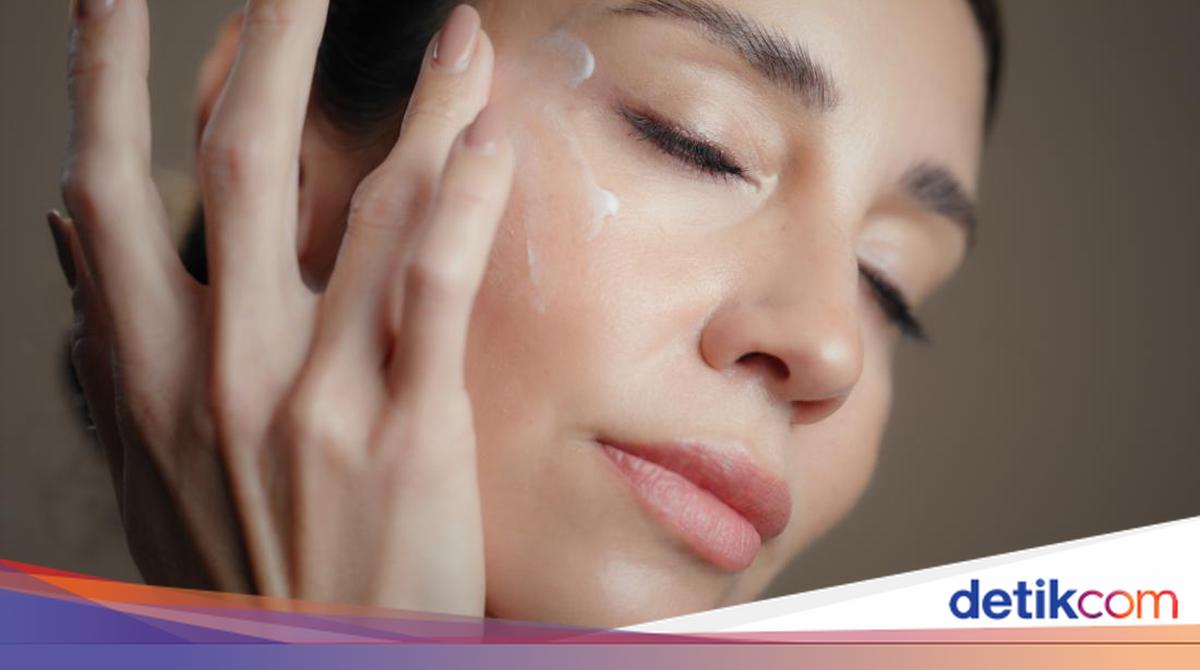
- The External and Internal Structures of the Ears
The ears are exposed to direct sunlight from multiple angles during outdoor activities, yet they possess numerous delicate folds, curves, and crevices that make them notoriously difficult to coat thoroughly. Consequently, the ears rank remarkably high as sites for sun-induced skin damage. Data from the Cleveland Clinic designates the ears as the third most common anatomical location for the development of non-melanoma skin cancers.
Dr. Nino, a prominent dermatologist, notes the clinical frequency of these cases, stating that malignancies frequently appear across all areas of the outer ear, occasionally extending directly into the ear canal. Furthermore, the neglected skin directly behind the ear—including the post-auricular crease—serves as a frequent formation site for abnormal cellular growth due to its thin dermis and prolonged exposure.
- The Scalp and Hairline
A common fallacy among the general public is the assumption that a dense head of hair provides absolute protection for the scalp against ultraviolet rays. In reality, the scalp represents the highest point of the human body, positioning it in direct alignment with overhead solar radiation. This makes the crown of the head exceptionally vulnerable to acute burns, a risk that escalates significantly for individuals experiencing thinning hair, receding hairlines, or complete baldness.
While scalp malignancies represent a smaller fraction—approximately 2 to 5 percent—of all cutaneous melanoma cases, the severity of burns in this region can be excruciating. Dr. Michele Green, a renowned dermatologist, emphasizes the unique topographical vulnerability of the head. For individuals hesitant to use traditional creams that weigh down the hair, aerosol-based sunscreen sprays or mineral powders designed for the scalp offer viable, non-greasy alternatives. Additionally, wide-brimmed hats remain an indispensable physical barrier against scalp exposure.
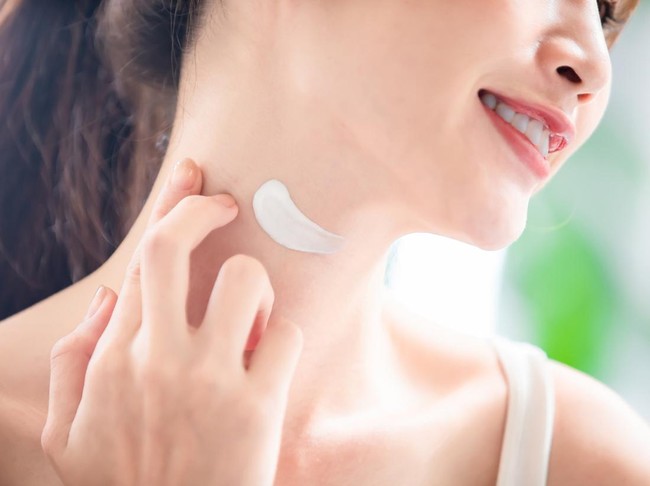
- The Neck and Decolletage
Skincare regimens frequently terminate abruptly at the jawline, leaving the entire length of the neck and the upper chest exposed to environmental stressors. Dermatologist Dr. Reeza Edward, Sp.DVE, observes that individuals who are meticulously diligent about facial sun protection routinely neglect the neck entirely.
This oversight carries severe long-term implications. A comprehensive epidemiological study published in the journal JAMA Otolaryngology Head and Neck Surgery revealed that approximately 20 percent of all melanoma cases occur specifically in the head and neck region. Because the skin of the neck is exceptionally thin and possesses fewer sebaceous glands than the face, it is highly susceptible to both aggressive cellular mutations and rapid photoaging. Utilizing transparent, non-comedogenic zinc oxide formulations can effectively safeguard this area without staining clothing collars.
- The Dorsum of the Feet and Ankles
The growing popularity of open-toed footwear, sandals, and barefoot leisure activities exposes the feet to substantial quantities of ultraviolet radiation. Despite having thicker stratum corneum layers on the soles, the delicate skin on the top of the feet—the dorsum—and around the ankles absorbs high volumes of direct and reflected sunlight during warmer months.
Clinical observations emphasize that the lower extremities are frequently omitted during morning routines. Dr. Nino points out that the upper surface of the foot requires rigorous SPF application whenever sandals or bare feet are exposed to the outdoors. Statistical analysis reveals that the lower legs, feet, and ankle regions account for between 3 and 15 percent of all melanoma diagnoses, underscoring the necessity of treating the feet with the same diligence afforded to the face.
- The Delicate Tissues of the Eyelids
The skin surrounding the eyes is exceptionally thin, delicate, and sensitive, making it an optimal target for the damaging effects of solar radiation. However, many individuals consciously avoid applying chemical or mineral sunscreens near the ocular region due to the stinging sensation that occurs if the product migrates into the eyes.
According to data compiled by Cancer.Net, eyelid malignancies account for roughly 10 percent of all skin cancers originating in the head region. Dr. Michele Green advises overcoming this challenge by selecting specialized mineral sunscreens formulated with titanium dioxide or zinc oxide, which are significantly less likely to cause irritation. Pairing these formulations with certified UV-blocking sunglasses provides a dual-layer defense mechanism for the ocular adnexa.
- The Vermilion Border of the Lips
The lips are frequently omitted from sun protection protocols, largely because standard body lotions and facial creams are unsuitable for oral ingestion. However, the lips consist of specialized integumentary tissue that lacks melanin-producing melanocytes in the same concentration as other skin areas, leaving them exceptionally vulnerable to solar damage, actinic cheilitis, and malignant transformations.
Dr. Michele Green highlights the necessity of localized lip protection, noting that incorporating a specialized lip balm featuring a minimum of SPF 30 is an essential preventative practice against both squamous cell carcinoma and premature perioral wrinkling. Medical guidelines mandate reapplying these protective lip products every two hours, mirroring the reapplication timeline required for the rest of the integumentary system.
Broader Implications and Public Health Recommendations
The persistent oversight of these six anatomical zones highlights a broader systemic issue within preventive healthcare: the gap between general awareness and comprehensive execution. While public campaigns have successfully ingrained the habit of applying sunscreen to the face, transforming this behavior into a whole-body discipline remains a significant challenge for dermatological educators.
Public health analyses indicate that mitigating the rising incidence of skin cancer requires a paradigm shift in how sun protection products are marketed and applied. Manufacturers are increasingly developing specialized formulations—such as continuous sprays for the scalp, targeted mineral sticks for the ears and eyelids, and medicated balms for the lips—to address the specific anatomical challenges of these neglected areas.
Dermatologists universally agree that true skin health cannot be achieved through selective protection. By integrating comprehensive application habits, adhering to the recommended volume of one ounce per application, and committing to strict two-hour reapplication intervals regardless of weather conditions, individuals can drastically diminish their lifetime risk of malignancies and preserve the structural integrity of their skin across every square centimeter of the body.