Harga BYD Denza D9 2024 Bekas dan Panduan Lengkap Membeli MPV Listrik Mewah Pesaing Alphard

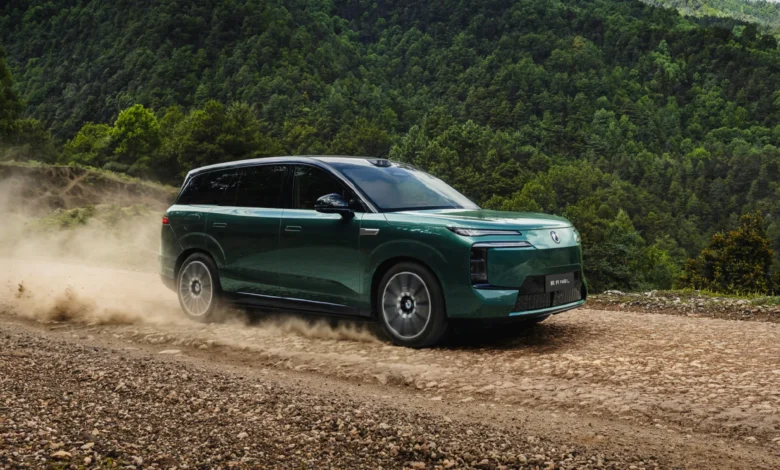
The premium electric multi-purpose vehicle (MPV) segment in Indonesia has witnessed a significant paradigm shift following the entry of the BYD Denza D9. As a joint venture between Chinese automotive giant BYD and luxury brand Mercedes-Benz, the Denza D9 has positioned itself as a disruptive force against long-standing market leaders such as the Toyota Alphard and Toyota Vellfire. Recently, the 2024 model year units of this electric luxury people-mover have begun appearing in the secondary market, offering a compelling proposition for consumers seeking high-end mobility with a more flexible price point than a brand-new vehicle.
The Emergence of Denza D9 in the Indonesian Market
The introduction of the Denza D9 into the Indonesian automotive landscape serves as a testament to the country’s accelerating transition toward electric mobility. While the initial wave of electric vehicle (EV) adoption in Indonesia focused primarily on compact city cars and budget-friendly crossovers, the Denza D9 signals the expansion into the high-net-worth segment.
Historically, the premium MPV market in Indonesia has been dominated by Japanese internal combustion engine (ICE) or hybrid vehicles. When BYD officially introduced the Denza D9, it challenged the status quo by offering a full-electric powertrain without compromising on luxury, space, or technology. The vehicle was built on BYD’s proprietary e-platform, utilizing the renowned Blade Battery technology, which has set industry standards for safety and thermal stability.
Strategic Specifications and Performance Metrics
The Denza D9 is engineered to cater to executives and families who prioritize interior opulence and silent operation. The vehicle measures 5,250 mm in length, 1,960 mm in width, and 1,920 mm in height, with a wheelbase of 3,110 mm. This substantial footprint translates into an expansive cabin space that rivals, and in some dimensions exceeds, the established competition.
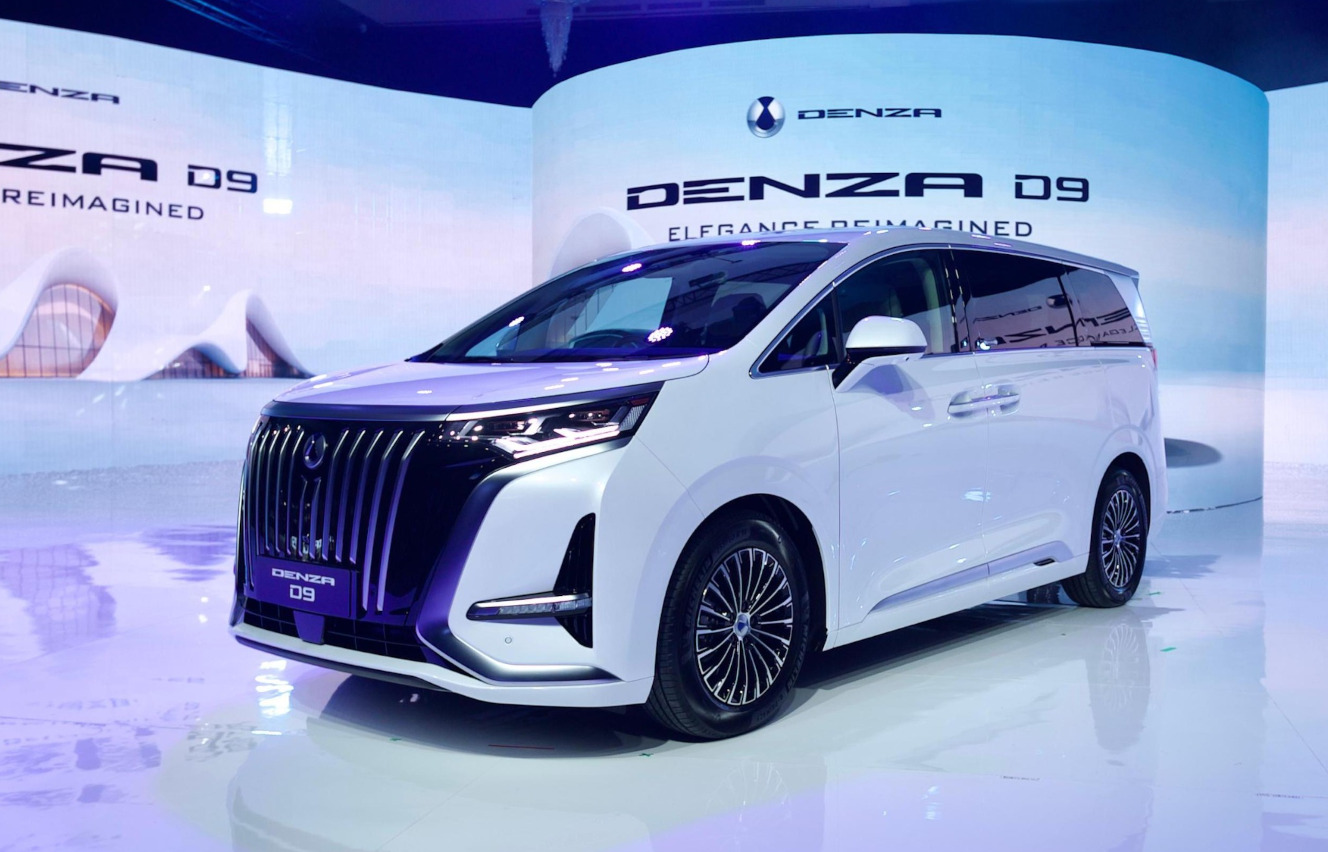
At the heart of the vehicle lies a Permanent Magnet Synchronous Motor (PMSM) capable of delivering 230 kW of power and 360 Nm of torque. The performance is supported by a 103.36 kWh battery pack, which provides a range of up to 600 kilometers under the NEDC cycle. This range is critical for long-distance travel, effectively mitigating "range anxiety" that often plagues potential EV buyers in the luxury segment. The suspension system features smart damping technology, ensuring that the ride quality remains smooth regardless of road conditions, a hallmark of vehicles in this luxury tier.
Comparative Analysis: Denza D9 versus Incumbent Leaders
The market positioning of the Denza D9 requires a nuanced comparison with the Toyota Alphard, Toyota Vellfire, and the Hyundai Staria.
- Denza D9 vs. Toyota Alphard: The primary difference is the drivetrain. While the Alphard relies on hybrid or gasoline powertrains, the Denza D9 is purely electric. The Denza offers a more futuristic interior aesthetic, characterized by large touchscreens and high-quality materials, whereas the Alphard maintains a traditional, conservative luxury design.
- Denza D9 vs. Toyota Vellfire: The Vellfire is often marketed with a sportier, more aggressive stance. The Denza D9, however, focuses on a blend of executive comfort and advanced tech, appealing to a demographic that views EVs as a status symbol of technological advancement.
- Denza D9 vs. Hyundai Staria: While both are large-format MPVs, the Staria is often utilized for its versatility and seating capacity (up to 9 or more). The Denza D9 is strictly tailored to the "premium executive" segment, typically configured with 2+2+3 seating, emphasizing the captain seats in the second row as the primary luxury hub.
The Secondary Market Landscape: Pricing and Depreciation
As of early 2025, the secondary market for the 2024 Denza D9 shows prices ranging from IDR 765 million to IDR 925 million. This price variance is driven by several factors, including the specific trim level, the vehicle’s mileage, the condition of the battery health, and the geographic location of the sale.
Units with low odometer readings (often referred to as "like-new" units) generally trade closer to the IDR 795 million to IDR 850 million mark. For buyers, the secondary market presents an opportunity to bypass the wait times associated with new unit deliveries while securing a vehicle that remains under the manufacturer’s initial warranty period.
Technical Due Diligence for Used EV Buyers
Acquiring a used electric vehicle, especially a luxury model packed with advanced electronics, requires a rigorous inspection process. Unlike traditional ICE vehicles, the health of the high-voltage battery system is the primary variable that determines the vehicle’s long-term value.

Key Inspection Pillars:
- Battery Health and Charging History: Prospective buyers must obtain a comprehensive battery diagnostic report. This report should detail the state of health (SOH) and the frequency of DC fast charging versus AC charging. Excessive reliance on rapid charging can influence long-term battery degradation.
- Electronic Infrastructure: The Denza D9 is defined by its cabin technology. It is imperative to test the functionality of all "power" components, including sliding doors, the power tailgate, the dual-screen infotainment system, and the secondary screens located in the armrests of the second-row seats.
- Suspension and Chassis Integrity: Due to the weight of the massive 103.36 kWh battery, the suspension system is subjected to significant stress. A thorough inspection of the bushings, air suspension components (if applicable), and tires is necessary to ensure the vehicle’s handling characteristics have not been compromised.
- Documentation and Warranty Transfer: Buyers should verify that the manufacturer’s warranty for the battery and powertrain is transferable. In the Indonesian market, verifying the authenticity of service records through authorized BYD service centers is the best practice to ensure the vehicle has been maintained according to the manufacturer’s specifications.
Broader Implications for the Indonesian Automotive Sector
The availability of the Denza D9 on the secondary market reflects a maturing EV ecosystem in Indonesia. It indicates that owners are now comfortable rotating their electric assets, which helps sustain the residual value of EVs over time. Industry analysts suggest that if the Denza D9 continues to perform reliably in real-world conditions, it could lead to a permanent shift in how premium MPV buyers view electric options.
Furthermore, the participation of major transport providers and premium rental services in adopting the Denza D9—such as Goldenbird’s integration of the model into its fleet—provides a level of market validation. This adoption confirms that the vehicle is capable of meeting the rigorous demands of professional transport, not just private ownership.
Conclusion
The BYD Denza D9 2024 has successfully challenged the traditional dominance of Japanese premium MPVs in Indonesia. By combining a 103.36 kWh battery, a 600 km range, and an ultra-luxurious interior, it has carved out a unique space for itself. While the secondary market offers a cost-effective route to ownership, it demands a disciplined approach to vehicle inspection. Potential buyers are encouraged to utilize professional inspection services to ensure that the high-voltage systems and sophisticated cabin features remain in optimal condition. As the market for premium electric vehicles continues to grow, the Denza D9 stands as a benchmark for what is possible when high-end luxury meets the future of electrified transportation.