
Ensuring Optimal Hydration: A Comprehensive Guide to Managing Children’s Daily Fluid Intake and Preventing Dehydration

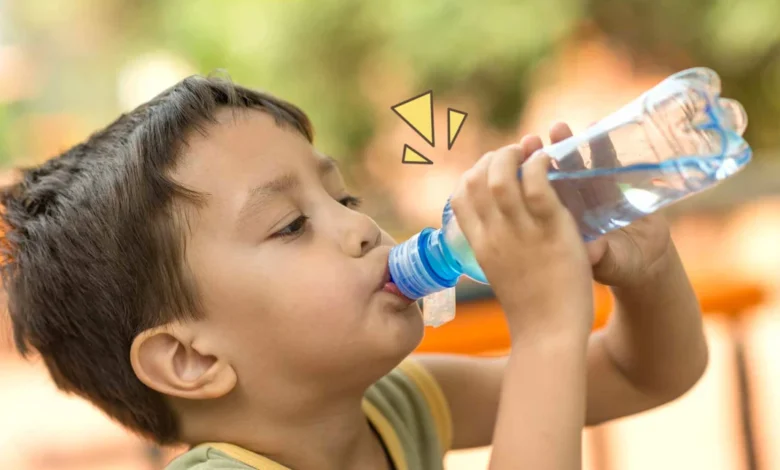
Maintaining adequate daily fluid intake is a fundamental yet frequently overlooked component of pediatric health. While modern parenting discourse often emphasizes the importance of balanced nutrition, physical activity, and early childhood education, the physiological role of water in sustaining a child’s overall well-being warrants equal attention. Water is the primary medium for metabolic processes, thermoregulation, and cellular function. Consequently, failing to meet a child’s daily hydration requirements can trigger a cascade of negative health outcomes, ranging from acute fatigue and cognitive decline to severe systemic complications such as tachycardia and oliguria.
Recent scientific literature underscores the extensive benefits of proper hydration during formative years. According to a landmark study published in the American Journal of Public Health, consistent and adequate water consumption among children and adolescents is directly correlated with maintaining a healthy Body Mass Index (BMI), mitigating dental decay, and enhancing cognitive performance, including memory, attention, and executive function. Conversely, chronic mild dehydration—often unrecognized by parents and caregivers—can impair a child’s academic performance, reduce physical endurance, and increase susceptibility to heat-related illnesses.

Physiological Vulnerability and Hydration Dynamics in Pediatric Populations
Children possess a significantly higher physiological vulnerability to dehydration compared to adults. This susceptibility is driven by several distinct anatomical and behavioral factors. Pediatric populations feature a higher total body water percentage relative to their weight, coupled with a higher metabolic rate and a larger body surface area-to-mass ratio. Furthermore, children are exceptionally active, engaging in spontaneous play and structured sports that induce profuse sweating. Because children may lack the self-regulation mechanisms to recognize early thirst cues during high-intensity play, fluid losses can rapidly outpace intake.
Public health organizations, including the American Academy of Pediatrics via its Healthy Children initiative, emphasize that fluid requirements scale progressively with age, developmental milestones, and physical output. Infants derive their primary hydration from breast milk or specialized formula, whereas toddlers and school-aged children require a combination of plain water, moisture-rich foods, and appropriate beverages. Environmental factors, such as high ambient temperatures and humidity levels, further exacerbate fluid loss through perspiration and respiration, necessitating strategic adjustments to a child’s daily intake.
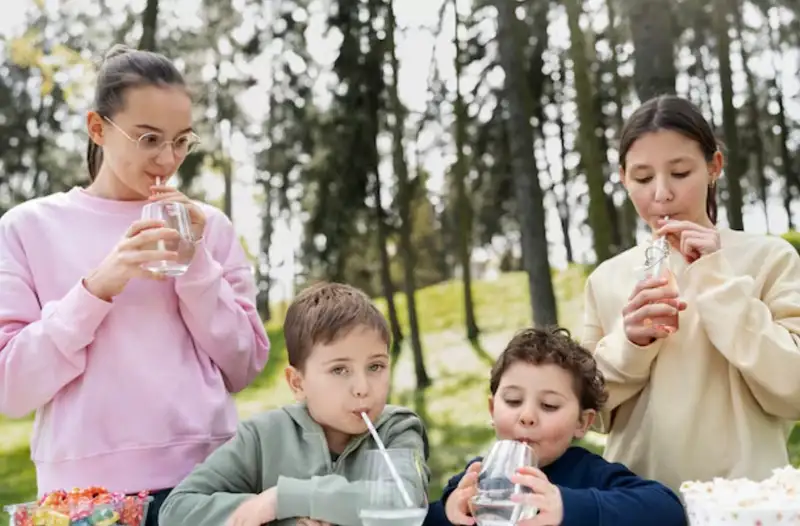
To maintain physiological equilibrium, pediatricians recommend tailored daily fluid volumes based on age brackets. For toddlers aged 1 to 3 years, the baseline recommendation typically hovers around 4 cups (approximately 900 to 1,000 milliliters) of total beverages daily, which includes water and milk. For children aged 4 to 8 years, this requirement increases to roughly 5 cups (about 1.2 liters) per day. Children aged 9 to 13 years require an even greater volume, generally ranging from 7 to 8 cups (1.5 to 1.8 liters) daily, depending heavily on their biological sex and physical activity levels.
These baseline figures are not static. During periods of rigorous physical exertion or organized sports, children aged 9 to 12 years require an additional 80 to 230 milliliters of water every 20 minutes to offset sweat losses and maintain cardiovascular stability. Environmental conditions must also be factored into daily hydration planning; tropical climates or poorly ventilated indoor spaces mandate an upward revision of fluid administration.
Practical Strategies for Parents and Caregivers to Encourage Hydration
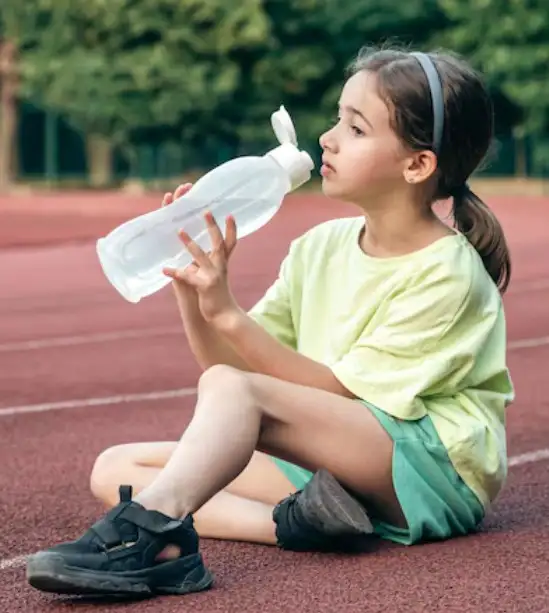
Given the challenges of encouraging children to consume adequate fluids amidst competing distractions, child health experts recommend multi-faceted, behavioral, and dietary interventions. Transitioning hydration from a chore to an engaging daily routine helps instill lifelong wellness habits.
-
Gamification and Visual Appeal
Children are naturally drawn to vibrant colors and personalized items. Providing reusable water containers adorned with favored cartoon characters or bright, appealing hues significantly increases voluntary fluid intake. When children take ownership of their drinkware, they are statistically more likely to utilize it proactively throughout the day rather than waiting for an adult to prompt them. -
Flavor Infusion and Alternative Healthy Beverages
Monotony is a primary barrier to water consumption among picky eaters. Introducing natural flavor enhancements—such as adding fresh slices of lemon, oranges, strawberries, cucumber, or mint leaves to plain water—creates appealing, naturally flavored infused water. Beyond standard water, specialized functional beverages formulated for pediatric use have entered the market to assist parents. For instance, products such as Cap Kaki Tiga Anak serve as an early intervention tool to support daily hydration while simultaneously addressing common childhood ailments like internal heat, canker sores, and dry throats. Formulated specifically for young consumers using ingredients like Gypsum Fibrosum and Calcitum, this formulation is certified by regulatory bodies such as the Indonesian Food and Drug Authority (BPOM) and endorsed by prominent medical platforms like Alodokter. Available in kid-friendly flavors such as orange, litchi, and strawberry, such functional options provide an alternative during hot weather or post-activity recovery.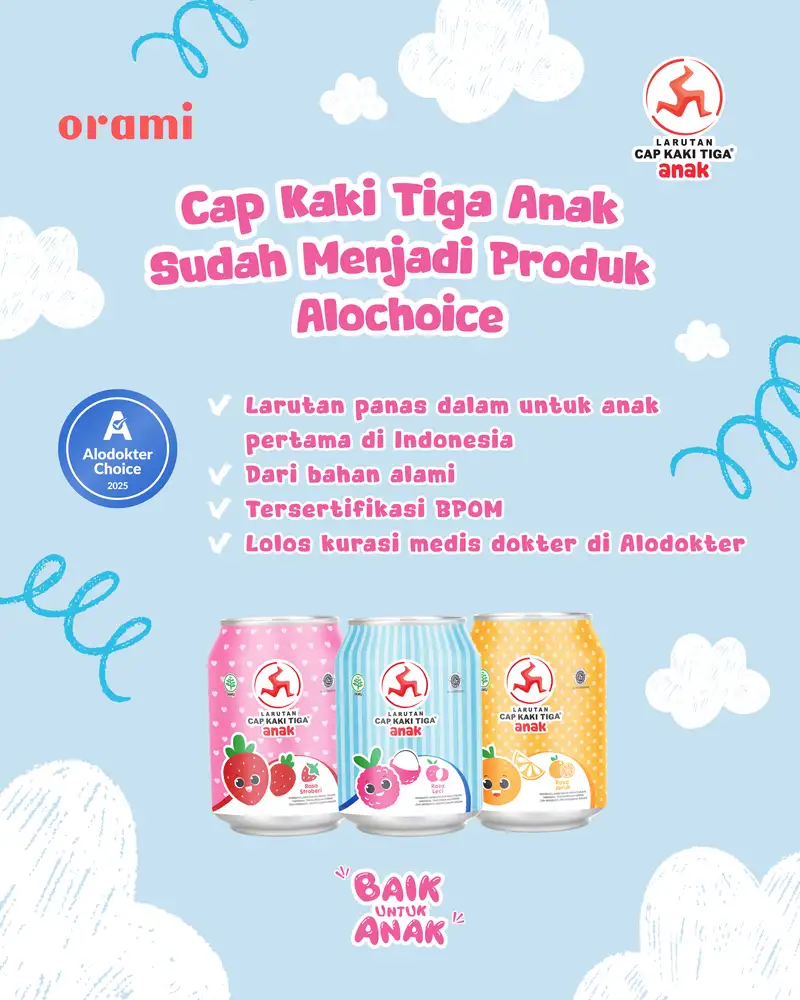
-
Institutionalizing the Portable Water Habit
Integrating hydration into a child’s daily logistics requires consistency. Equipping children with a lightweight, safe, and durable personal water bottle for school, playground visits, and family outings ensures that water is perpetually accessible. This accessibility bypasses the behavioral barrier of waiting until severe thirst sets in, which is often an indicator that mild dehydration has already begun. -
Dietary Water Integration
Hydration is not strictly achieved through direct drinking; dietary sources play a vital supplementary role. Incorporating water-dense fruits and vegetables into snacks and meals—such as watermelon, cantaloupe, strawberries, grapes, and cucumbers—allows children to ingest substantial amounts of fluid naturally. This method is particularly effective for children who resist drinking plain water, transforming snack time into a dual opportunity for nutrient and fluid repletion. -
Early Educational Engagement
Cognitive alignment plays a vital role in behavioral modification. Parents can utilize storybooks, educational animations, and interactive discussions to teach children why the human body needs water. Connecting the benefits of hydration directly to the child’s favorite activities—such as explaining how water helps them run faster, jump higher, and focus better in school—empowers them to make conscious health choices independently.
Clinical Implications and the Pathogenesis of Pediatric Dehydration
When fluid intake fails to compensate for ongoing losses, the body initiates compensatory mechanisms that can quickly devolve into clinical dehydration if left unaddressed. Dehydration in pediatric patients is broadly categorized into isotonic, hypertonic, and hypotonic states, depending on the relative loss of water and electrolytes.
According to diagnostic guidelines from the National Center for Biotechnology Information (NCBI), the clinical manifestations of pediatric dehydration progress through distinct stages. Initial indicators include persistent thirst, dry or sticky mucous membranes in the oral cavity, and decreased skin turgor. As fluid deficits deepen, systemic perfusion is compromised, resulting in concentrated, dark-colored urine, lethargy, dizziness, and cognitive confusion.

In severe cases, physiological distress manifests as oliguria—a marked reduction in urine output—and tachycardia, a compensatory cardiovascular response where the heart rate accelerates beyond normal parameters to maintain adequate blood pressure and tissue perfusion. Prolonged or untreated dehydration can lead to hypovolemic shock, acute kidney injury, and electrolyte imbalances that pose life-threatening risks.
Conclusion and Public Health Mandate
The imperative to monitor and manage children’s fluid intake transcends daily comfort; it is a critical pillar of preventative pediatric healthcare. By understanding age-specific physiological requirements, recognizing the environmental and behavioral factors that accelerate fluid loss, and implementing creative, evidence-based hydration strategies, parents and caregivers can safeguard their children against the insidious risks of dehydration. Ensuring continuous access to safe drinking water and nutrient-rich, hydrating foods equips children with the physical vitality and cognitive acuity necessary to thrive academically, socially, and physically throughout their developmental years.