Yamaha Proto HEV Tampil di IMOS 2026 Menawarkan Inovasi Skutik Hibrida Masa Depan dengan Efisiensi Bahan Bakar Tinggi

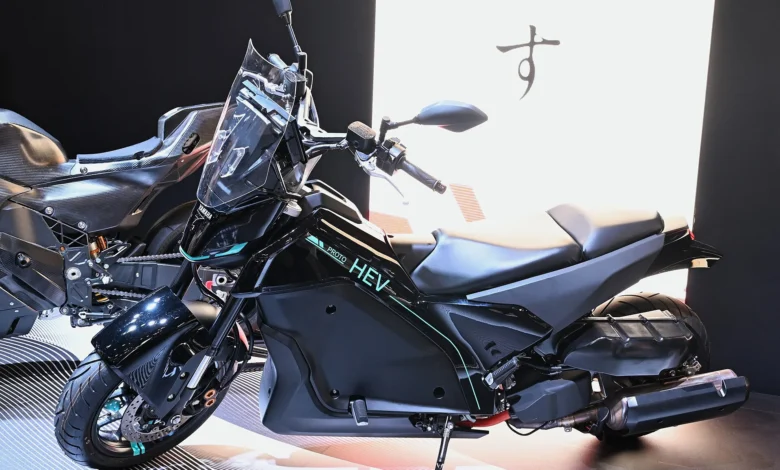
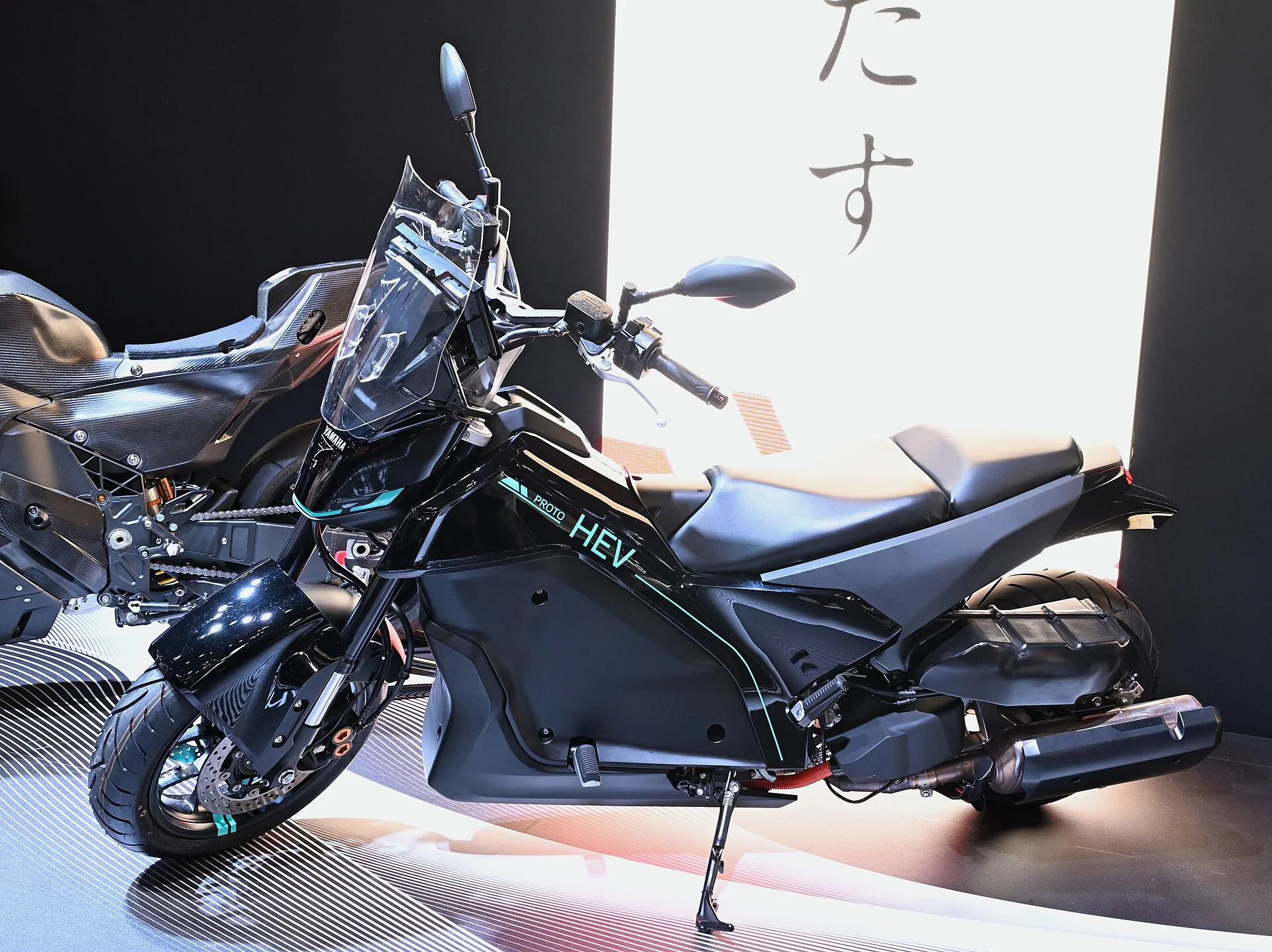
The Indonesia Motorcycle Show (IMOS) 2026 held at the Indonesia Convention Exhibition (ICE) BSD City has become a focal point for the automotive industry, particularly as manufacturers accelerate their transition toward sustainable mobility. Among the diverse array of electrified vehicles on display, the Yamaha Proto HEV stands out as a sophisticated technical demonstration of what the future of large-displacement scooters might look like. Positioned as a series-parallel hybrid electric vehicle (SPHEV), this prototype represents Yamaha’s strategic pivot to bridge the gap between traditional internal combustion engines and fully electric platforms.
The Yamaha Proto HEV made its initial global debut at the Japan Mobility Show in 2025, where it served as a conceptual milestone for the company’s engineering division. Its presence at IMOS 2026, which took place in November 2026, marks its significant entry into the Southeast Asian market, signaling that Indonesia remains a critical testbed for Yamaha’s advanced powertrain development.
Technical Architecture and Operational Logic
Unlike conventional "mild" hybrid systems that merely offer minor assistance to the combustion engine, the Yamaha Proto HEV employs a complex series-parallel architecture. The powertrain consists of a single-cylinder combustion engine paired with dual electric motors and a Continuously Variable Transmission (CVT). This configuration allows the vehicle to operate in three distinct modes: pure electric, engine-only, or a combined hybrid mode where both power sources contribute to torque delivery.
According to technical documentation and patent analysis, the primary advantage of this system is its flexibility. In urban environments where stop-and-go traffic is common, the vehicle can rely entirely on its electric motors, effectively eliminating fuel consumption and tailpipe emissions during low-speed commuting. As the battery level depletes or when the rider demands higher acceleration—such as during highway overtaking—the internal combustion engine seamlessly engages, either to provide direct drive to the rear wheel or to function as a generator to recharge the onboard battery pack.
This intelligent energy management is controlled by an onboard computer that monitors load, throttle position, and battery state-of-charge. The system aims to optimize the thermal efficiency of the gasoline engine by keeping it within its most efficient operating window, while the electric motors handle the high-torque requirements of initial acceleration.
Performance and Efficiency Claims
Yamaha has highlighted that the Proto HEV is designed to compete in the 250cc to 300cc premium scooter segment. Internal testing data released by the manufacturer suggests that the implementation of this hybrid system results in a 35 percent improvement in fuel efficiency compared to a standard gasoline-powered scooter of similar displacement.
To put this figure into perspective, when compared to a traditional model like the Yamaha XMAX 250, the potential savings are significant. If a standard XMAX 250 consumes fuel at a specific rate for a daily commute, the 35 percent efficiency gain translates into a tangible reduction in monthly fuel expenditure. While specific fuel-economy figures (such as kilometers per liter) depend heavily on riding patterns, the projected savings of approximately IDR 145,000 per month for an average commuter underscore the economic viability of the technology, assuming current fuel prices.
The vehicle also introduces two distinct riding personalities: "Serene" and "Spirited." The Serene mode prioritizes silent operation and smooth power delivery, ideal for urban navigation, while the Spirited mode unlocks the full potential of both the engine and the dual electric motors, providing a more aggressive throttle response for spirited riding on open roads.
Chronology of Development and Strategic Context
The journey of the Proto HEV from a research project to a public-facing prototype has been methodical.
- Late 2025: Yamaha unveiled the hybrid technology at the Japan Mobility Show, establishing a new design language for its future premium scooters.
- September 2026: Detailed patent filings surfaced, revealing the inner workings of the dual-motor CVT transmission, which clarified how Yamaha intends to solve the power-split challenges inherent in motorcycle hybrid systems.
- November 2026: The prototype made its Indonesian public debut at IMOS 2026. During the event, Sutarya, the Director of Marketing for Yamaha Indonesia, emphasized that the Proto HEV is a manifestation of the company’s long-term commitment to carbon neutrality.
Yamaha is simultaneously exploring other hybrid avenues, as evidenced by the presence of the "Proto PHEV." While the Proto HEV features a single-cylinder engine, the Proto PHEV (Plug-in Hybrid Electric Vehicle) incorporates a more powerful two-cylinder engine, indicating that Yamaha is testing different modular powertrain solutions to address various segments of the market.
Official Stance and Market Implications
During the press briefing at ICE BSD City, Yamaha representatives were careful to clarify the status of the Proto HEV. As a prototype, there is no official pricing, production timeline, or confirmation of a mass-market launch. The vehicle is currently being used to gauge public interest and gather data from real-world exhibition feedback.
The industry implications of this development are profound. For many years, the motorcycle industry lagged behind the automotive sector in adopting hybrid technology due to the physical constraints of space and weight on a two-wheeled chassis. By successfully integrating two electric motors with a traditional CVT, Yamaha is addressing these limitations. If this technology reaches mass production, it could set a new standard for premium scooters, making them more environmentally friendly without sacrificing the performance that enthusiasts in the 250cc-300cc class demand.
Challenges and Future Considerations
Despite the optimism surrounding the Proto HEV, several critical questions remain unanswered. First, the weight penalty of carrying both a battery pack and a traditional engine is a significant hurdle. In a motorcycle, balance and agility are paramount; any extra weight can drastically affect handling. Yamaha has yet to disclose how the mass distribution of the Proto HEV compares to its non-hybrid counterparts.
Second, the complexity of the transmission system raises questions regarding long-term reliability and maintenance costs. A standard CVT is relatively simple to service, but adding electric motors and a high-voltage battery system requires a more specialized service network and potentially higher repair costs for consumers.
Third, the price premium associated with hybrid technology remains a significant barrier to entry in the Indonesian market, where price sensitivity is high. For the Proto HEV to succeed, the long-term fuel savings must be weighed against the expected higher initial purchase price.
Conclusion
The Yamaha Proto HEV represents a sophisticated engineering exercise that showcases the potential of hybrid technology in the two-wheeler segment. By offering a 35 percent increase in efficiency, it aligns with global trends toward decarbonization and reduced operational costs. While it is not yet ready for the showroom floor, its presence at IMOS 2026 indicates that Yamaha is preparing to lead the transition to hybrid mobility in the premium scooter category. As the industry moves toward 2027 and beyond, the evolution of these prototypes will be essential in determining how major manufacturers balance the legacy of the internal combustion engine with the inevitable shift toward electrification. The market will be watching closely to see if, and when, these conceptual advancements transition from the exhibition floor to the streets.