Huawei Watch D3 Debuts with Advanced Blood Pressure Monitoring and Elite Sports Features to Redefine Wearable Health Technology

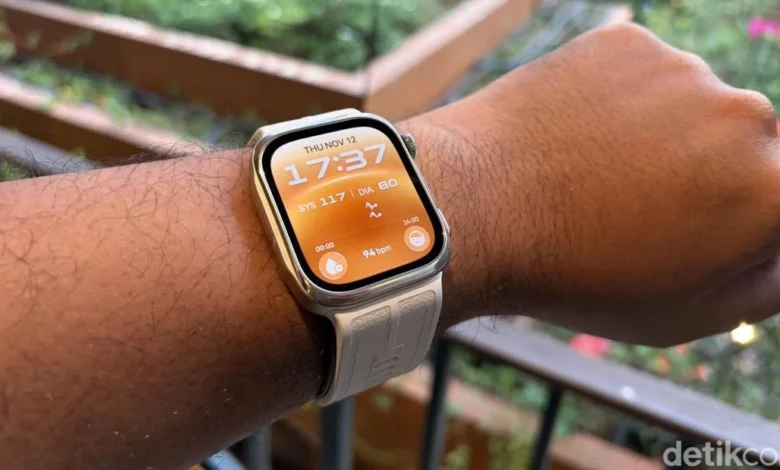
The launch of the Huawei Watch D3 in the Indonesian market marks a significant evolution in the intersection of medical-grade health monitoring and high-performance sports tracking. Moving beyond the foundational blood pressure monitoring capabilities that defined its predecessor, the D3 series integrates a sophisticated suite of fitness tools, an ergonomic redesign, and enhanced display technology. Priced at IDR 6,999,000, the device aims to bridge the gap between casual fitness enthusiasts and data-driven athletes who require clinical insights into their cardiovascular health during physical exertion.
The Evolution of Clinical Wearables
The evolution of Huawei’s wearable lineup has been characterized by a persistent drive toward miniaturizing complex diagnostic hardware. In previous years, blood pressure monitoring in consumer electronics was largely relegated to rudimentary estimates based on heart rate variability. However, the Huawei Watch D3 continues the brand’s push toward certified health monitoring, incorporating a specialized pump system and an inflatable strap mechanism that allows for oscillometric blood pressure readings.
The introduction of the D3 signifies a shift from "passive" health monitoring—where the user is alerted to anomalies—to "active" health management. By enabling Pre- & Post-Exercise Blood Pressure Measurement, Huawei has addressed a critical blind spot in sports medicine: how the cardiovascular system reacts to the initiation and cessation of intense physical activity. This feature, verified as a world-first implementation in a wearable, provides users with a longitudinal view of how their blood pressure stabilizes or fluctuates after high-intensity intervals.
Chronology of the D3 Launch and Market Availability
The rollout of the Huawei Watch D3 follows a strategic timeline designed to capture both the professional health-conscious demographic and the lifestyle-oriented consumer. Following its global unveiling, the device arrived in Indonesia with a formal sales window commencing on November 19, 2026.
The launch period, scheduled to run through December 18, 2026, includes an aggressive promotional strategy to incentivize early adoption. By bundling the product with an extended one-year warranty, a "Worry Free Care Package," and a three-month subscription to Huawei Health+, the company is positioning the Watch D3 not just as a piece of hardware, but as a comprehensive ecosystem subscription. This strategy reflects a broader industry trend where hardware manufacturers are increasingly pivoting toward recurring service revenue models, leveraging the data collected by the watch to provide personalized health insights.
Engineering Advancements: Slimmer Profile and Enhanced Visibility
A primary criticism of earlier blood pressure-capable smartwatches was their bulkiness, which often hampered comfort during sleep or intense physical activity. The Huawei Watch D3 addresses this with a 15 percent reduction in total thickness, bringing the chassis down to 11.3 mm from the 13.3 mm profile of the previous model.
This reduction in size is a major technical achievement. Shrinking the air pump, valves, and sensors required to achieve accurate blood pressure readings without sacrificing battery life or structural integrity represents a significant advancement in miniaturization engineering.
Furthermore, the integration of a 1.92-inch display capable of reaching a peak brightness of 3,000 nits is a critical upgrade for outdoor utility. In professional-grade sports watches, legibility under direct, high-noon sunlight is non-negotiable. By achieving 3,000 nits, the Watch D3 surpasses many industry-standard displays, ensuring that runners, cyclists, and golfers can read their metrics—such as pace, heart rate, and blood pressure trends—without shielding the screen.
Tailored Sports Modes: From Golfing to High-Intensity Training
The device now supports over 100 distinct exercise modes, catering to a wider spectrum of activities than ever before. While standard modes like running and cycling remain central, the inclusion of dedicated features for golf—specifically the Advanced Golf Mode and Golf Course Mode—indicates a move toward niche performance tracking.
For the golfer, the D3 provides actionable data that goes beyond mere movement tracking. It offers specialized metrics that assist in analyzing rounds, likely integrating GPS data to track course navigation and shot analysis. This segmentation of software features allows Huawei to target high-net-worth users and outdoor enthusiasts who prioritize precision in recreational sports.
Data-Driven Recovery and Health Insights
The significance of the Huawei Watch D3 extends beyond the duration of a workout. The "Enhanced Health Glance" and "Health Insights" features utilize the watch’s sensor array to analyze Heart Rate Variability (HRV) and skin temperature, offering a holistic view of the user’s recovery status.
In modern sports science, recovery is considered as vital as the training itself. By monitoring emotional states and sleep quality in conjunction with physical exercise, the Watch D3 provides a comprehensive report on the body’s physiological readiness. This data, stored within the Huawei Health app, allows users to make informed decisions about their training load, potentially preventing overtraining syndrome—a common issue among amateur athletes who lack the supervision of professional trainers.
Market Implications and Competitive Landscape
The wearable technology market is currently witnessing a polarization between two categories: mass-market fitness trackers and high-end medical-grade smartwatches. With the release of the Watch D3, Huawei is firmly staking its claim in the latter.
From an analytical perspective, the D3 serves as a response to the growing global focus on preventive healthcare. As populations age and the incidence of hypertension increases, the demand for non-invasive, daily monitoring tools is rising. By offering a device that is aesthetically versatile—available in Mocha Gold, Gold, and Black—Huawei is signaling that health technology should not look like medical equipment. The ability to wear a functional blood pressure monitor to both a golf course and a formal dinner is a key differentiator for the brand.
Compatibility remains a cornerstone of the device’s market strategy. By maintaining support for both Android and iOS via the Huawei Health app, the company ensures that it is not restricted by ecosystem silos. This openness is essential for widespread adoption, as it allows users to integrate the D3 into their existing digital lifestyles regardless of their smartphone preference.
Future-Proofing the User Experience
The inclusion of a 12-month "Worry Free Care Package" and extended warranty is an implicit acknowledgement of the sensitivity of the hardware. Because the D3 relies on mechanical components—the micro-pump and inflatable strap—it is subjected to more mechanical wear than a traditional smartwatch. By providing this coverage, Huawei is building consumer confidence in the longevity of its wearable medical technology.
As the device reaches consumers, the focus will likely shift to the accuracy and reliability of the health data over long-term usage. If the data produced by the D3 continues to align with clinical standards, the device could eventually play a more prominent role in telehealth initiatives. The ability to export health reports directly from the Huawei Health app to a physician could revolutionize how chronic conditions like hypertension are managed in Indonesia and beyond.
In conclusion, the Huawei Watch D3 is a testament to the rapid pace of innovation in the wearable space. By successfully balancing aesthetic refinement, a massive library of fitness modes, and clinical-grade health tracking, Huawei has positioned itself at the forefront of the "prosumer" health technology market. As users move toward more proactive self-care, devices like the D3 will likely become standard equipment for those looking to optimize their performance while keeping a watchful eye on their long-term health metrics.