Comprehensive Guide to Maintaining Optimal Hydration in Children and Preventing Pediatric Dehydration

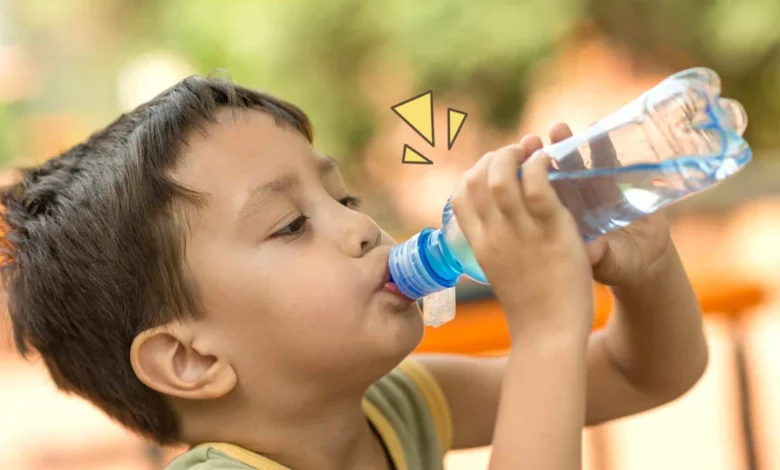
Ensuring that children consume an adequate amount of fluids is a fundamental aspect of pediatric health that frequently receives insufficient attention from caregivers. Water plays an indispensable role in maintaining the physiological and metabolic homeostasis of a growing child. According to research published in the American Journal of Public Health, maintaining proper hydration levels in children and adolescents is directly associated with the preservation of a healthy body weight, a reduction in dental and oral health issues, and enhanced cognitive performance, including improved memory, attention span, and academic capability. Conversely, inadequate fluid intake can quickly precipitate acute dehydration, lethargy, physical fatigue, and a decline in overall motor and mental coordination. Consequently, health professionals emphasize that parents and guardians must actively monitor and manage the daily fluid intake of their children.

Physiological Vulnerability and Hydration Requirements by Age
Children possess a significantly higher physiological vulnerability to fluid loss compared to adults. This heightened susceptibility stems from several developmental and behavioral factors: children have a higher surface-area-to-mass ratio, their metabolic rates are faster, and their engagement in high-energy physical activities results in profuse sweating and rapid depletion of body water reserves. Because pediatric populations cannot always accurately perceive or communicate the early sensations of thirst, reliance on structured hydration routines is vital.
Fluid requirements scale incrementally as children grow, transition through developmental stages, and experience shifts in physical activity levels. While exact targets vary based on individual metabolism, environmental temperatures, and exercise intensity, pediatric health guidelines—such as those outlined by Healthy Children—provide baseline recommendations. For instance, during periods of intense physical exertion and heavy perspiration, children between the ages of 9 and 12 require approximately 80 milliliters to 230 milliliters of water every 20 minutes to offset fluid losses and maintain optimal thermoregulation. Failing to adjust fluid intake during strenuous activities or hot weather can rapidly tip a child from mild hypohydration into clinically significant dehydration.
Clinical Implications and Risks of Pediatric Dehydration
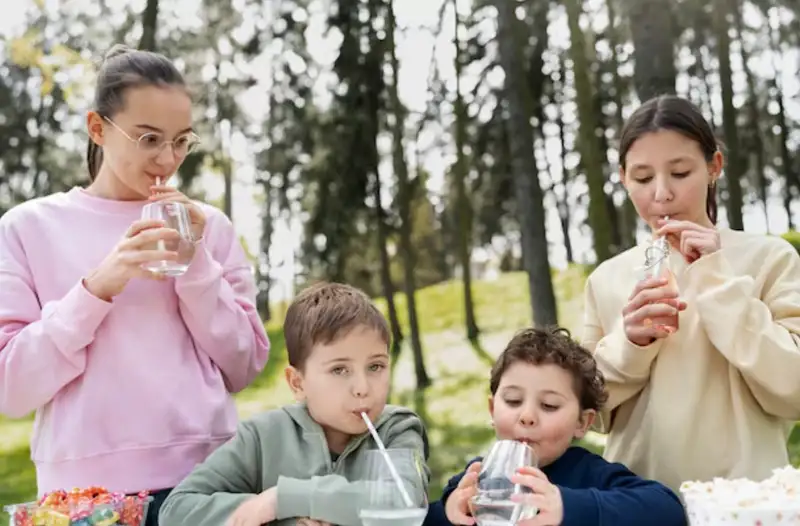
When fluid output surpasses fluid intake, the body enters a state of negative water balance, commonly known as dehyration. Data from the National Center for Biotechnology Information (NCBI) underscore that pediatric dehydration is not merely characterized by a subjective sensation of thirst. Clinical manifestations range from mild symptoms, such as dry mucous membranes and sticky saliva, to more severe indicators, including dark amber urine, dizziness, cognitive confusion, oliguria (a marked reduction in urinary output), and tachycardia, a compensatory physiological response where the heart rate accelerates beyond normal resting parameters.
Prolonged or recurring mild dehydration can negatively impact physical endurance, impair classroom concentration, and contribute to chronic headaches and mood disturbances. Therefore, maintaining consistent hydration is paramount not only for preventing acute medical emergencies but also for supporting sustained energy, immune function, and optimal neurocognitive development throughout childhood.
Practical Strategies for Enhancing Daily Fluid Intake
Integrating consistent hydration habits into a child’s daily routine requires a combination of behavioral encouragement, creative presentation, and readily accessible options. Pediatric nutritionists and child development experts recommend several evidence-based strategies to help parents ensure their children meet daily fluid goals without triggering resistance or power struggles.
1. Gamifying and Personalizing Hydration
Children are naturally drawn to novelty and visual engagement. Parents can transform the act of drinking water into an enjoyable routine by introducing specialized drinkware, such as brightly colored reusable water bottles or vessels featuring the child’s favorite cartoon characters or animated heroes. Removing friction from the process and fostering positive associations helps children view hydration as a natural, self-directed habit rather than a parental mandate.
2. Incorporating Natural Flavor Infusions
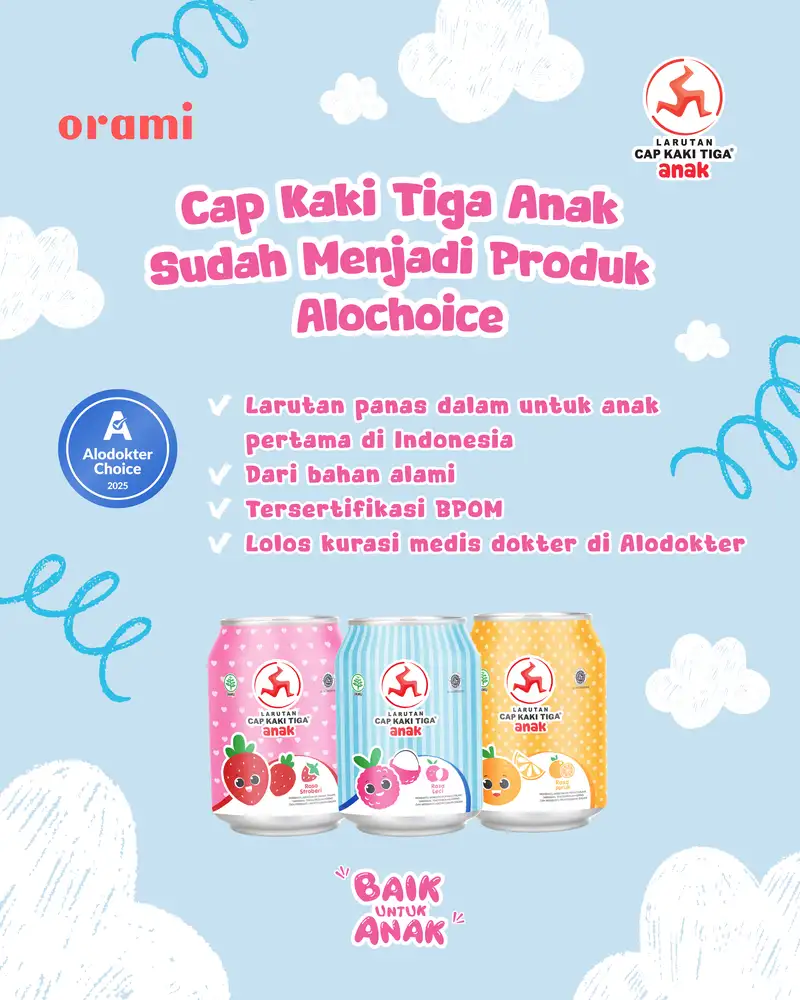
For children who exhibit a strong aversion to plain water due to its lack of taste, introducing natural flavor enhancers offers a practical solution. Preparing infused water by adding slices of fresh citrus fruits, berries, or cucumbers allows natural fruit essences to permeate the liquid. This subtle sweetness and vibrant visual appeal make the beverage significantly more enticing. Additionally, specialized pediatric rehydration beverages, such as Cap Kaki Tiga Anak—formulated with traditional minerals like Gypsum Fibrosum and Calcitum—can serve as a supportive tool for everyday hydration and mild heat-related discomforts. Designed specifically for children and available in palatable fruit flavors like orange, lychee, and strawberry, such products assist in maintaining electrolyte balance during hot weather or heavy physical activity, provided they are consumed as part of a balanced diet and adhere to safety standards certified by regulatory bodies like BPOM.
3. Cultivating the Portable Water Bottle Habit
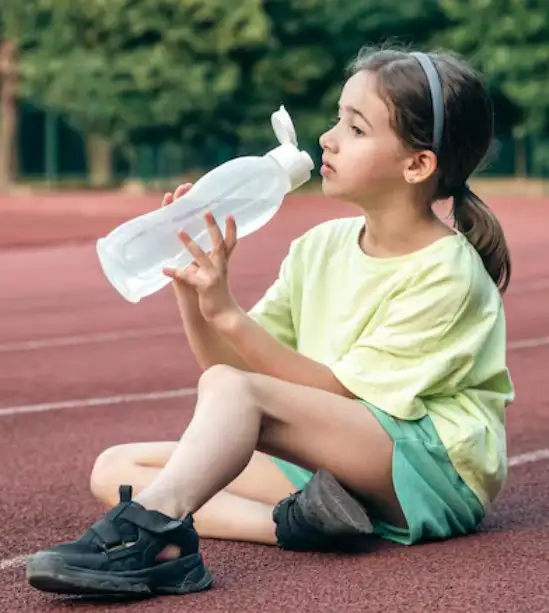
Establishing the routine of carrying a personal, lightweight, and durable water bottle—whether attending school, participating in extracurricular sports, or embarking on family outings—empowers children to sip fluids continuously throughout the day. This accessibility ensures that children do not have to wait until they feel overtly thirsty, a state that already indicates the onset of mild dehydration.

4. Leveraging Hydration-Rich Foods
Fluid intake is not strictly limited to beverages; solid foods contribute significantly to total daily water consumption. Pediatricians recommend incorporating high-water-content fruits and vegetables into snacks and meals. Produce such as watermelons, cantaloupes, oranges, strawberries, cucumbers, and grapes boast water concentrations exceeding 80% to 90%. Offering these foods as refreshing snacks delivers both essential micronutrients and vital hydration in an appealing format.
5. Early Childhood Education on Health and Hydration
Long-term behavioral change is most successfully achieved when children understand the underlying "why" behind healthy habits. Parents can utilize educational resources—such as illustrated storybooks, interactive videos, or age-appropriate science explanations—to demonstrate how water fuels the body, supports athletic performance, and helps the brain focus during school activities. By connecting fluid intake directly to the child’s personal goals and favorite pastimes, parents lay a cognitive foundation that encourages lifelong self-care and wellness.

Conclusion and Parental Responsibilities
Ultimately, safeguarding a child’s hydration status is a continuous responsibility that underpins their physical health, emotional well-being, and academic potential. By remaining cognizant of age-specific fluid requirements, recognizing the subtle early warning signs of dehydration, and implementing creative, practical strategies at home and school, parents can successfully cultivate enduring hydration habits. Ensuring that children have constant access to clean water and nutritious fluid sources guarantees they remain energized, focused, and resilient against the physiological challenges of daily life.