Turning Travel Passion into Profit: Lucrative Business Models for Modern Entrepreneurs


The intersection of leisure and commerce has long fascinated professionals seeking alternatives to the traditional nine-to-five office environment. In recent years, the global tourism and travel sector has experienced a profound structural evolution, shifting away from rigid, mass-market itineraries toward highly personalized, experiential journeys. This paradigm shift has opened unprecedented windows of opportunity for individuals whose personal passion lies in exploration. Rather than viewing travel merely as a recreational expense, modern entrepreneurs are increasingly converting their navigational expertise, destination insights, and logistical hobbies into viable, scalable business enterprises. By aligning commercial ventures directly with their personal hobbies, these business owners achieve a rare equilibrium: financial sustainability paired with lifestyle integration.
To understand the viability of travel-centric enterprises, one must examine the broader economic landscape of the post-pandemic tourism economy. According to recent data from the World Travel & Tourism Council (WTTC), global tourism expenditures have rebounded sharply, driven by a pent-up consumer demand for authentic, immersive travel experiences. Travelers are no longer satisfied with passive sightseeing; they seek out localized engagements, flexible transportation solutions, and culturally rich guided tours. This consumer behavior evolution creates high-margin entry points for micro-entrepreneurs and small-to-medium enterprises (SMEs) capable of offering specialized services that large, multinational travel conglomerates often overlook or struggle to personalize. Consequently, launching a travel-related business is no longer reserved for legacy corporations with massive capital reserves; agile individuals leveraging local knowledge and digital tools can capture significant market share.
Vehicle Rental Services: Capitalizing on the Mobility Deficit

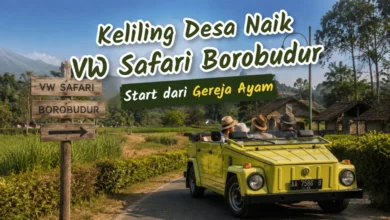
One of the most immediate and operationally straightforward entry points into the travel business ecosystem is the establishment of a vehicle rental service. In many emerging or secondary tourist destinations, the demand for reliable, flexible local transportation consistently outpaces the supply provided by major international rental chains. Entrepreneurs who already possess private assets—such as automobiles or motorcycles—can monetize idle property by transitioning them into commercial rental fleets.
For aspiring business owners lacking direct vehicle ownership, the model remains highly accessible through strategic partnerships. By functioning as a localized agency or intermediary, entrepreneurs can connect vehicle owners with incoming tourists, taking a commission on transactions while minimizing initial capital expenditure. This business model thrives on localized convenience. Tourists frequently encounter logistical hurdles when navigating public transit systems in unfamiliar regions. Offering well-maintained cars, scooters, or specialized adventure vehicles directly addresses this mobility deficit. Furthermore, because large-scale rental agencies often concentrate their fleets in major metropolitan hubs or airports, localized operators face relatively low direct competition in regional or off-the-beaten-path tourism spots, allowing for healthy profit margins and strong word-of-mouth marketing.
Curated Tour Packages: Meeting the Demand for Hyper-Localized Itineraries
For entrepreneurs who possess an encyclopedic knowledge of regional hidden gems, historic landmarks, and contemporary cultural hotspots, developing and selling curated tour packages presents a highly lucrative venture. The modern tourist demographic—particularly Millennials and Generation Z—demonstrates a distinct preference for bespoke, highly shareable travel experiences over standardized group tours. These travelers actively seek out destinations that are currently trending on digital media platforms, provided those locations are backed by adequate local infrastructure and safety measures.

Building a successful tour package business requires meticulous research and strategic networking. Entrepreneurs must forge B2B relationships with local hospitality providers, including boutique hotels, artisanal culinary establishments, and adventure sports operators. By bundling these services into comprehensive, seamless itineraries—ranging from weekend wellness retreats to rugged nature expeditions—business owners provide immense value to time-poor travelers. The competitive advantage in this sector lies entirely in the curator’s personal expertise; authentic, first-hand knowledge of a destination allows operators to design unique narratives and navigate logistical bottlenecks that generic travel agencies cannot replicate.
Professional Tour Guiding: Bridging Cultures and Providing Expert Interpretation
While curating itineraries takes place largely behind the scenes, the role of the professional tour guide places the entrepreneur at the literal forefront of the traveler’s experience. Acting as a cultural ambassador, historian, and problem-solver all at once, a professional guide transforms a standard vacation into an educational and deeply memorable journey. This business model requires minimal upfront financial capital, relying instead on human capital, communication skills, and specialized knowledge.
In an increasingly globalized tourism market, linguistic versatility is a primary driver of commercial success. Guides who possess native or professional-level fluency in multiple foreign languages unlock access to high-value international tourist segments who are willing to pay a premium for localized interpretation. Beyond mere translation, professional guides provide vital contextualization of local customs, ecological conservation efforts, and historical narratives. As international travel flows continue to diversify, independent guides who establish strong digital reputations through review platforms and social media channels can build independent, highly lucrative client rosters without relying on traditional tour operator middlemen.

Strategic Implications and Economic Viability for New Entrepreneurs
Analyzing the broader implications of entering the travel and tourism sector reveals a resilient industry characterized by high adaptability. However, transitioning from a hobbyist traveler to a commercial enterprise demands rigorous financial planning, regulatory compliance, and a commitment to customer service excellence. Business owners must navigate localized licensing requirements, commercial insurance mandates, and the inherent seasonality of tourism demand. Mitigating seasonal revenue fluctuations often requires diversifying service offerings—such as combining vehicle rentals with off-season localized logistics or shifting from outdoor adventure tours to indoor cultural workshops during inclement weather periods.
Ultimately, turning a passion for travel into a sustainable enterprise requires a delicate balance between personal enjoyment and hard-nosed business acumen. The successful modern travel entrepreneur views every journey not merely as a vacation, but as a market research expedition designed to identify unmet consumer needs, evaluate competitive landscapes, and refine service delivery. By establishing structured operations within rental markets, package curation, or professional guiding, individuals can successfully bridge the gap between lifestyle fulfillment and economic independence in a thriving global marketplace.