Selecting the Ideal Preschool: Balancing Educational Quality with Commuter Logistics in Jakarta

The early childhood education landscape in Jakarta presents a unique set of logistical challenges for parents, where the selection of a preschool is dictated as much by urban geography as it is by pedagogical quality. In a city where traffic congestion often dictates the rhythm of daily life, the decision-making process for parents in hubs such as Kelapa Gading, Pulomas, and Kayu Putih requires a strategic approach that integrates time-management, child development, and family stability.
The Dynamics of Morning Logistics in Metropolitan Jakarta
For families residing in North and East Jakarta, the morning routine is a high-stakes operation. The process of preparing a child for preschool—which involves nutritional intake, personal hygiene, and the organized transit of school supplies—is frequently disrupted by the unpredictable nature of Jakarta’s traffic. According to the TomTom Traffic Index, Jakarta consistently ranks among the most congested cities globally, with peak hours significantly inflating travel times.
For a preschooler, the commute is not merely a transfer of location; it is an extension of their daily cognitive load. Pediatric experts suggest that children between the ages of three and five require a consistent biological rhythm. When a child is subjected to prolonged travel times during the early morning, their ability to engage with classroom activities upon arrival is often compromised. Data from developmental studies indicate that excessive early-morning stress—often induced by traffic-related delays or rushed departures—can lead to increased cortisol levels in young children, resulting in irritability and diminished focus during their formative learning hours.

Chronology of the Decision-Making Process
The search for an appropriate preschool typically begins six to twelve months prior to the academic intake, yet the logistical evaluation often occurs too late. A structured approach to selection involves a chronological assessment of the family’s daily requirements:
- Initial Research (Phase 1): Parents identify potential schools based on curriculum and reputation. This is when geographic proximity is assessed via digital mapping tools.
- Logistical Verification (Phase 2): Real-world simulation of travel. Experts recommend that parents conduct a "dry run" commute during the exact time slot they expect to travel on a typical weekday.
- On-Site Evaluation (Phase 3): Physical visits to the school to observe traffic flow, pedestrian safety, and student-teacher interaction.
- Integration and Adaptation (Phase 4): Final selection based on the compatibility of the school’s schedule with the parents’ professional commitments and the child’s established sleep cycle.
Fact-Based Analysis of Commute Implications
The "distance in kilometers" metric is often a misleading indicator of convenience in Jakarta. A school located three kilometers away may take longer to reach than a school located five kilometers away if the latter is situated on a primary artery with better traffic management or if the school’s drop-off protocols are more efficient.
The "last mile" of the commute—the transition from the vehicle to the classroom—is a critical factor frequently overlooked. Schools that lack dedicated drop-off zones, forcing parents to park on busy main roads, introduce unnecessary safety risks. Furthermore, the capacity of a school’s security staff to assist children in exiting vehicles and transitioning into the school building can reduce the "morning friction" that often causes delays.
Regional Context: The Kelapa Gading and Pulomas Axis
The regions of Kelapa Gading and Pulomas represent high-density residential and commercial sectors with significant demand for early childhood education. Families in these areas often find themselves navigating the intersection of diverse schooling options, ranging from international baccalaureate programs to national-plus curricula.
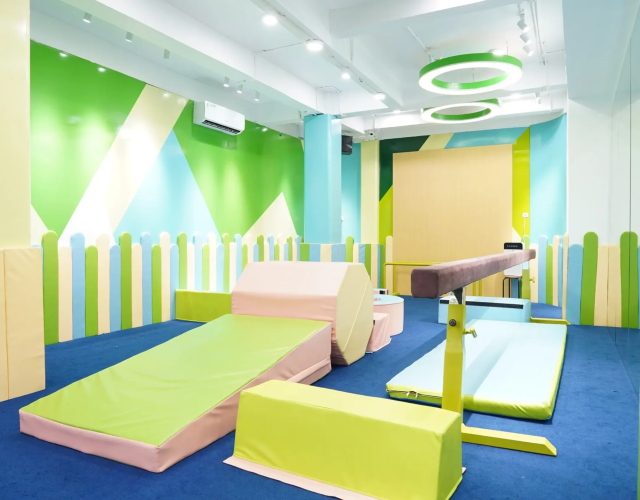
Institutions such as Sparks Preschool, located strategically near the Kayu Putih Raya corridor, illustrate the importance of location-based planning. By positioning themselves within a transit-accessible radius, such institutions aim to mitigate the travel burden on families. However, educational consultants emphasize that even within a strategic area, the "micro-route"—the specific turns and intersection bottlenecks a parent must navigate—remains the primary variable in the success of the school-home partnership.
Official Perspectives on Early Childhood Transit
While schools focus on the pedagogical environment, administrative authorities and urban planners note that school-related traffic is a major contributor to morning congestion. Some school administrators have implemented staggered drop-off times to alleviate pressure on local infrastructure. When interviewing prospective schools, parents are encouraged to ask about these internal logistics.
"A school’s responsibility extends to the efficiency of its arrival and departure procedures," notes an educational consultant familiar with Jakarta’s school infrastructure. "A school that has a well-oiled machine for drop-offs, involving efficient security and clear signage, provides a massive service to the parents’ mental health and the child’s readiness for learning."
Broader Impact: Long-term Child Development
The cumulative impact of a strenuous commute on a child’s development cannot be overstated. If a child spends an average of 60 to 90 minutes per day in a vehicle, they lose valuable time for unstructured play or sleep, both of which are critical for executive function development. Over a school year, this adds up to hundreds of hours of lost potential for physical and social engagement.

Furthermore, the relationship between the parent and child during the commute is pivotal. A high-stress, traffic-heavy drive leaves little room for the positive reinforcement and conversation that should characterize a parent-child interaction. When the commute is minimized or made efficient, that time can be repurposed for meaningful communication, contributing to the child’s emotional regulation.
Guidelines for Selecting the Right Fit
To ensure a sustainable routine, parents should prioritize the following criteria:
- Temporal Compatibility: Ensure the school’s start time aligns with the family’s existing rhythm, rather than forcing the child to adjust to an earlier schedule that may induce fatigue.
- Safety Infrastructure: Observe whether the school provides safe, off-street drop-off zones. Proximity to major intersections without safe crossing points should be a red flag.
- Communication Channels: Evaluate the effectiveness of the school’s communication system. In the event of a traffic delay, how does the school handle late arrivals, and is there a system for real-time updates between teachers and parents?
- Adaptation Period: Inquire about how the school manages the transition for new students. Does the school have a clear policy for when a child is overwhelmed by the morning commute?
Conclusion: The Sustainability of the Daily Routine
The choice of a preschool in Jakarta is a multi-dimensional puzzle. While the educational program, the quality of teachers, and the safety of the facility are paramount, the logistical reality of the commute is the foundation upon which the child’s educational experience is built. A school that is academically superior but logistically unfeasible will inevitably lead to burnout for both the child and the parent.
By performing realistic travel simulations, considering the "last mile" logistics, and prioritizing the preservation of the child’s sleep and play cycles, parents can make an informed decision that supports the family’s long-term well-being. Ultimately, the most successful school choice is one that integrates seamlessly into the family’s daily life, allowing the child to arrive at the classroom ready, refreshed, and receptive to the world of learning. Through careful planning and a realistic assessment of Jakarta’s urban environment, parents can ensure that the school run becomes a stable, predictable, and manageable part of the child’s early development.