Coldplay Leaves Lasting Environmental Legacy in Indonesia by Donating Neon Moon II Garbage Interceptor to the Cisadane River

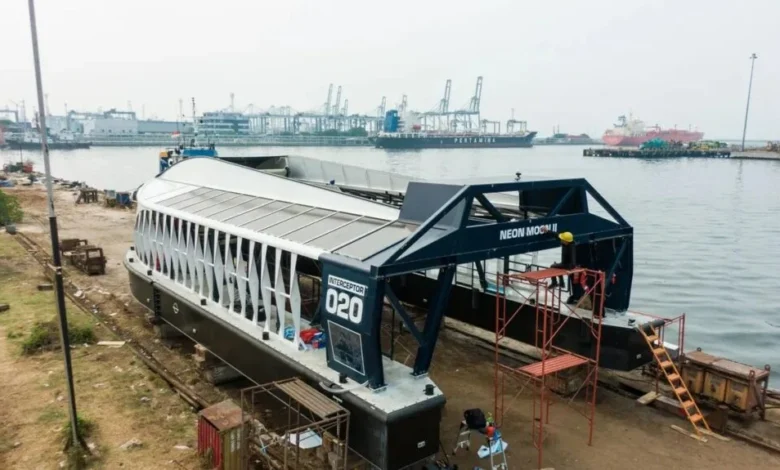
The British alternative rock band Coldplay has left a profound and tangible environmental legacy in Indonesia following their debut concert at Gelora Bung Karno (GBK) Stadium in Jakarta on Wednesday, November 15, 2023. Beyond delivering a memorable musical performance to tens of thousands of enthusiastic fans, the world-renowned group made a substantial philanthropic contribution to the nation’s ecological preservation efforts. In collaboration with the prominent environmental nonprofit organization The Ocean Cleanup, Coldplay donated a state-of-the-art waste-collection vessel known as the Interceptor 020, formally christened "Neon Moon II." This cutting-edge, autonomous garbage-extraction boat is slated to combat severe plastic pollution by operating along the critical Cisadane River, which stretches from the highlands of Bogor through Depok and Tangerang before emptying into the Java Sea.
The donation underscores the band’s ongoing commitment to environmental sustainability, a core tenet of their global tour operations where they actively seek to minimize carbon footprints and fund ecological restoration projects worldwide. By targeting the Cisadane River, the initiative addresses one of the region’s most pressing aquatic pollution challenges, aiming to intercept thousands of tons of microplastics and solid waste before they can cause irreversible damage to marine ecosystems.
Background Context and the Scale of the Cisadane River Pollution Crisis
The Cisadane River is one of the most vital hydrological networks in the western portion of Java, supporting millions of residents across multiple administrative regions for agriculture, sanitation, and drinking water supply. However, rapid urbanization, inadequate municipal waste management infrastructure, and lax littering habits along the riverbanks have transformed the waterway into a major conduit for plastic debris flowing directly into the Java Sea.

Environmental assessments indicate that approximately 1,000 tons of plastic waste enter the Java Sea annually via the Cisadane River alone. This relentless influx of non-biodegradable material contributes significantly to the degradation of coastal habitats, threatens marine biodiversity, and endangers local fisheries upon which coastal communities depend. The accumulation of microplastics—tiny fragments resulting from the breakdown of larger plastic items—poses an invisible yet pervasive threat to aquatic life and human health through the food chain. Recognizing the urgency of this crisis, The Ocean Cleanup identified the Cisadane as a high-priority location requiring immediate technological intervention to stem the tide of plastic waste entering Indonesian marine waters.
Chronology of the Partnership and Deployment Timeline
The deployment of the Neon Moon II is part of a broader, multi-year strategic partnership between Coldplay and The Ocean Cleanup, which began long before the band’s arrival in Jakarta. The collaboration initially materialized in 2018, when the band funded and deployed the "Neon Moon I" (Interceptor 005) to tackle severe pollution in the Klang River in Malaysia. That pilot project proved to be a resounding success, successfully capturing and removing over one million kilograms of plastic waste from a heavily polluted waterway that previously fed massive amounts of debris into the Strait of Malacca.
Encouraged by the tangible, measurable success of the Malaysian initiative, Coldplay committed to expanding their support for The Ocean Cleanup’s global mission to rid the world’s rivers of plastic. The logistical planning for the Indonesian deployment commenced in mid-2023, culminating in the official announcement and presentation of the vessel coinciding with the band’s Music of the Spheres World Tour stop in Jakarta in November 2023. Following logistical coordination with local Indonesian authorities and environmental agencies, the Interceptor 020 is scheduled to officially commence full-scale daily operations along the Cisadane River, marking a significant milestone in Indonesia’s ongoing battle against aquatic pollution.
Technical Specifications and Capabilities of Neon Moon II
The Interceptor 020, operating under the designated name Neon Moon II, is a marvel of modern environmental engineering designed specifically to tackle high-volume riverine plastic pollution efficiently and autonomously. Valued at approximately USD 777,000 (equivalent to roughly IDR 11.9 billion), the vessel embodies a heavy investment in sustainable technology.

Measuring approximately 24 meters in length, Neon Moon II features a specialized catamaran hull design that harnesses the natural current of the river to direct floating debris into a conveyor belt system. The vessel boasts an impressive operational capacity, capable of extracting between 50 and 100 tons of trash per day under optimal river conditions. One of the most notable features of the Interceptor 020 is its autonomous, 24-hour operational capability, allowing it to collect waste continuously without requiring a permanent onboard crew. Furthermore, the vessel is entirely solar-powered, equipped with onboard battery storage that ensures zero direct greenhouse gas emissions and a virtually silent operational footprint, preventing noise pollution in local residential and natural zones along the riverbanks.
Broader Environmental Implications and Economic Impact
The introduction of the Neon Moon II to the Cisadane River carries profound implications for Indonesia’s broader environmental policy and national marine conservation targets. The Indonesian government has previously committed to ambitious national action plans aimed at reducing marine plastic debris by 70% by the year 2025. Achieving such targets requires not only top-down regulatory frameworks and municipal waste management reforms but also innovative, scalable technological interventions that can capture waste at critical choke points before it disperses across vast marine environments.
From an economic perspective, mitigating plastic pollution in the Cisadane River directly benefits regional water treatment facilities, such as PT Tirta Benteng in Tangerang, by reducing the operational burdens and filtration costs associated with heavy trash accumulation at intake valves. Furthermore, cleaner rivers enhance the aesthetic and ecological value of surrounding riparian zones, potentially revitalizing local river tourism, improving public health outcomes for riverside communities, and safeguarding the livelihoods of traditional fishermen operating in the Java Sea.
Official Responses and Public Reactions
The donation of the Interceptor 020 has been met with widespread acclaim from environmental advocates, government officials, and the general public across Indonesia. Representatives from environmental ministries and local municipalities have expressed profound gratitude for Coldplay’s tangible contribution, noting that corporate and celebrity-backed philanthropy can serve as a powerful catalyst for raising public awareness regarding waste management.

The Ocean Cleanup leadership has repeatedly commended Coldplay for their unwavering dedication to environmental causes, highlighting that the band’s financial backing and cultural influence help mobilize global attention toward invisible or neglected ecological crises. On social media and digital news platforms, Indonesian netizens and concertgoers praised the band for leaving a lasting physical benefit to the country rather than merely executing a commercial entertainment event. Many commentators emphasized that while high-tech vessels like Neon Moon II provide an essential safety net for capturing existing debris, the ultimate responsibility rests with local communities and individuals to adopt sustainable habits, eliminate single-use plastics, and strictly adhere to proper waste disposal protocols. As the Neon Moon II begins its tireless work along the Cisadane, it stands as a prominent symbol of how international cultural phenomena can successfully align with grassroots ecological preservation.
Related posts: