3 Reliable Double Cabin Used Trucks Under 100 Million IDR for Heavy-Duty Operational Needs

The demand for rugged, utilitarian vehicles has seen a steady uptick as businesses, particularly in the agricultural, construction, and logistics sectors, look for cost-effective solutions to navigate challenging terrains. While modern double-cabin pickups often retail for prices well exceeding 500 million IDR, the secondary market provides a gateway for small-to-medium enterprises (SMEs) to acquire heavy-duty machinery for under 100 million IDR. Although these vehicles carry the inherent risks associated with older model years, their mechanical simplicity and proven track records make them viable assets when selected with rigorous due diligence.
The Economic Context of Used Double Cabin Vehicles
In the current economic climate, fleet managers and independent contractors are increasingly cautious about capital expenditure. The decision to opt for a used double cabin rather than a new unit is often driven by the need to maintain cash flow while securing a vehicle capable of enduring high-stress environments. Data from regional automotive trade associations indicates that vehicles produced between 2004 and 2010 remain the most sought-after segment in the sub-100 million IDR price bracket.
These vehicles were engineered during an era where electronic complexity was lower, and mechanical robustness was prioritized. For many businesses, the ability to repair these trucks using non-proprietary parts and readily available diesel mechanics provides a significant advantage over newer, sensor-heavy models that require specialized diagnostic equipment.
Strategic Selection: Ford Ranger (2007 Era)
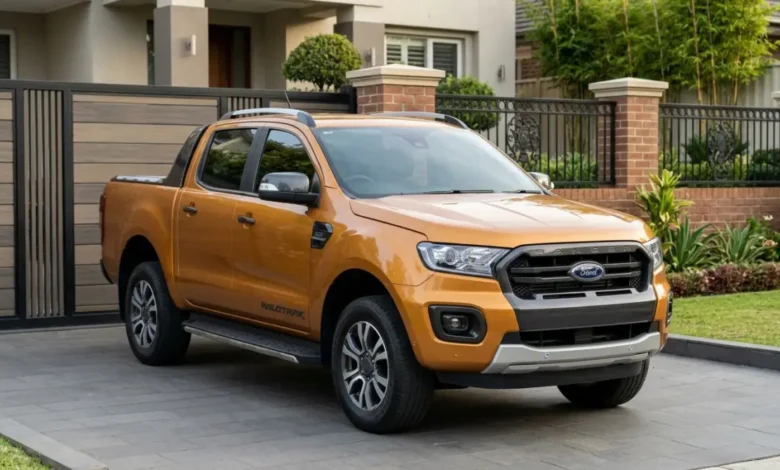
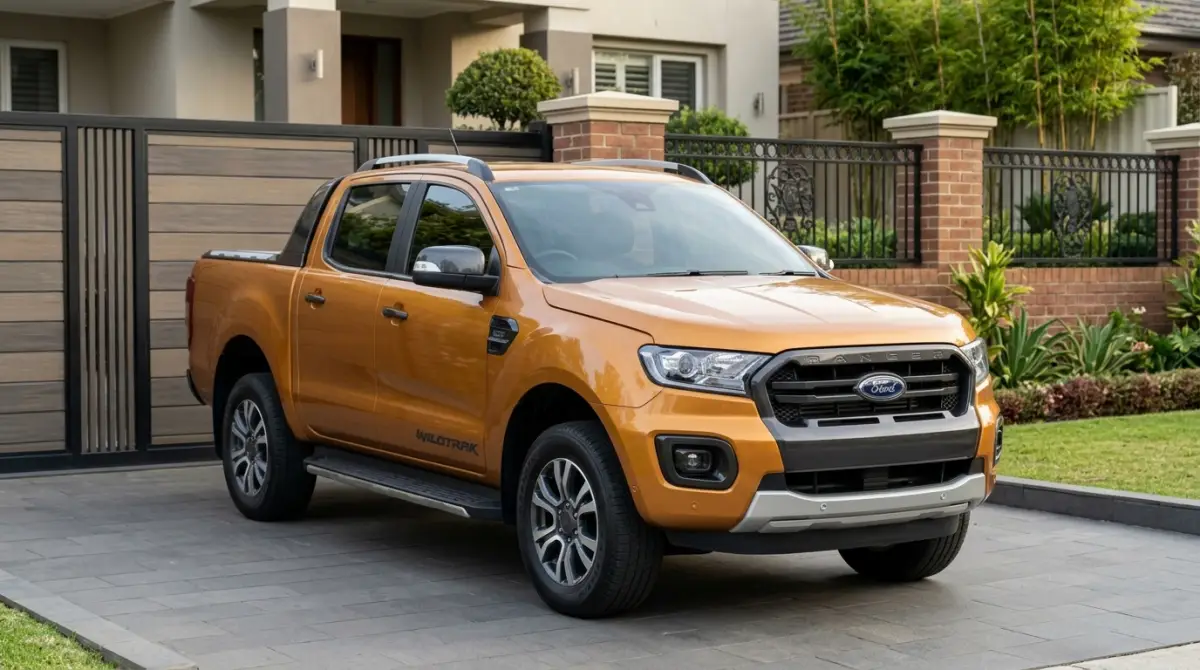
The Ford Ranger has long maintained a reputation for being a "workhorse" that balances comfort with raw pulling power. Specifically, the TDCi XLT 4×2 variants from the 2007 production year have surfaced in the market at price points near 70 million IDR. This model represents a transition period for Ford, where the company began integrating more refined common-rail diesel injection systems while maintaining a heavy-duty ladder-frame chassis.
From an engineering perspective, the 2007 Ford Ranger is noted for its high torque output, which is essential for carrying heavy payloads in rural or mountainous regions. However, potential buyers must account for the natural wear and tear of a vehicle nearing two decades of operation. Professional mechanics advise that when evaluating a Ford Ranger of this vintage, the priority should be the cooling system and the turbocharger assembly. Because these engines were designed for sustained output, any history of improper maintenance can lead to premature head gasket failure or cooling inefficiencies.
The Resilience of Isuzu D-Max (2004–2006)
Isuzu has historically positioned itself as a specialist in diesel engineering, and the D-Max is the flagship of this philosophy. Models from the 2004 to 2006 production cycle are frequently traded in the 80 million IDR range. Unlike other manufacturers who focus heavily on the luxury aspect of pickups, Isuzu’s design language for the D-Max has always favored longevity and thermal efficiency.
The primary appeal of the early-generation D-Max is the 4JH1-TC engine. This powerplant is widely regarded in the logistics industry for its "bulletproof" nature. Analysts suggest that for a business owner, the D-Max offers the lowest total cost of ownership in the used market. The structural integrity of the frame remains remarkably stable even after years of heavy hauling. Nevertheless, buyers should be cognizant of the potential for rust in the chassis rails, particularly if the vehicle was previously operated in coastal regions or areas with high humidity. Ensuring that the fuel injectors have been serviced or replaced is also a critical step, as the older generation of common-rail systems can become temperamental if exposed to poor-quality fuel over long periods.
The Emergence of Toyota Hilux in the Secondary Market
While the Ford Ranger and Isuzu D-Max occupy the sub-100 million IDR space, the Toyota Hilux has also begun to make appearances at the upper ceiling of this budget. The Hilux benefits from Toyota’s extensive global parts supply chain, which ensures that even for a 20-year-old vehicle, body panels, suspension components, and engine gaskets are readily available.
The Hilux is often favored by organizations that require maximum uptime. Its suspension geometry is designed to handle extreme articulation, making it a preferred choice for mining exploration or remote infrastructure projects. While a Hilux priced under 100 million IDR will likely be a higher-mileage unit, the premium attached to the Toyota brand serves as a hedge against depreciation, meaning the vehicle can often be resold for a significant portion of its purchase price after several years of service.
Essential Due Diligence for Used Vehicle Procurement
Acquiring a commercial vehicle at this price point requires a departure from standard consumer car-buying practices. Automotive consultants emphasize a strict protocol for inspecting legacy double-cabin trucks:
- Drivetrain Integrity: Test the transmission under load. For automatic variants, ensure there is no hesitation or "slippage" between gears. For manual units, check the clutch engagement point and look for any grinding sounds during downshifts.
- Chassis and Suspension: A double cabin’s life is defined by its cargo capacity. Inspect the leaf springs for signs of flattening or cracking. A vehicle that has been consistently overloaded will have compromised geometry, leading to uneven tire wear and poor handling.
- Engine Health: Perform a "blow-by" test. With the engine idling, remove the oil filler cap. Significant smoke or pressure escaping from the filler indicates worn piston rings, a costly repair that could exceed the value of the vehicle.
- Documentation: In the commercial sector, legal compliance is paramount. Verify that the vehicle’s registration (STNK) and tax documents are current, and confirm that the chassis and engine numbers match the documentation exactly to avoid issues with future transfers of ownership.
Broader Implications and Market Impact
The continued circulation of these vehicles demonstrates a circular economy within the automotive sector. Rather than sending older units to scrap, these trucks are being repurposed, keeping them in productive service for 20 years or more. This phenomenon has several broader implications:
- SME Empowerment: Small businesses can bypass the high debt cycles associated with financing new commercial vehicles. By purchasing a sub-100 million IDR truck, a business can allocate capital to other growth areas, such as inventory or workforce development.
- Environmental Considerations: While older diesel engines do not meet modern Euro 4 or Euro 5 emission standards, the extended life of these vehicles prevents the significant carbon footprint associated with the manufacturing of new automobiles. However, municipalities are increasingly implementing stricter emission testing, which owners of older trucks must monitor closely.
- The Aftermarket Ecosystem: A robust ecosystem of independent workshops and spare-parts importers has grown to support these specific models. This network provides employment and ensures that even older vehicles remain roadworthy and safe for transport operations.
Future Outlook for the Used Commercial Segment
As the market continues to evolve, the availability of these specific models—the Ford Ranger, Isuzu D-Max, and Toyota Hilux—will likely fluctuate. Factors such as the government’s implementation of stricter emission regulations (like the mandatory transition to B35 or B40 biodiesel) will necessitate careful consideration regarding fuel system compatibility. Owners of older diesel vehicles are advised to consult with specialists to ensure their fuel lines and filtration systems are equipped to handle modern fuel blends, which may have different solvent properties than the fuels available during the original production years.
In conclusion, purchasing a double cabin truck under 100 million IDR is a strategic move for those who understand the mechanical trade-offs. While these vehicles lack the advanced driver-assistance systems and interior comforts of their modern counterparts, they provide an unmatched level of utility and reliability for those who prioritize function over form. By conducting a systematic inspection and adhering to a proactive maintenance schedule, business owners can secure a dependable asset that serves as the backbone of their operations for years to come. The key to success lies not in the age of the vehicle, but in the history of its care and the thoroughness of the pre-purchase assessment.