The maintenance of a motorcycle’s cooling system remains a critical aspect of vehicle longevity and performance as we move further into 2026. For riders operating liquid-cooled engines, the choice of radiator coolant is not merely a matter of price, but a technical decision that impacts engine thermal stability, corrosion resistance, and long-term mechanical health. As fuel costs and maintenance expenses continue to fluctuate, motorcycle owners are increasingly seeking a balance between high-performance protection and cost-efficiency.
The Evolution of Engine Cooling Technology
In the early days of liquid-cooled motorcycles, cooling systems were relatively rudimentary, often utilizing simple mixtures of water and basic inhibitors. However, the engineering landscape of 2026 has shifted significantly. Modern engines feature tighter tolerances, higher compression ratios, and sophisticated electronic management systems that generate more heat than their predecessors. This advancement has necessitated the development of specialized coolant formulations.
Current cooling technology focuses on three primary functions: heat transfer efficiency, boiling point elevation, and chemical stability. Unlike older formulations, modern coolants—often referred to as Extended Life Coolants (ELC)—are designed to last longer and provide superior protection against cavitation, which is the formation of vapor bubbles that can erode metal surfaces within the water pump.
Coolant Versus Water: A Critical Technical Distinction
A common misconception among casual riders is the interchangeability of water and specialized coolant. While water possesses excellent thermal conductivity, it is inherently detrimental to internal combustion engines when used in isolation.
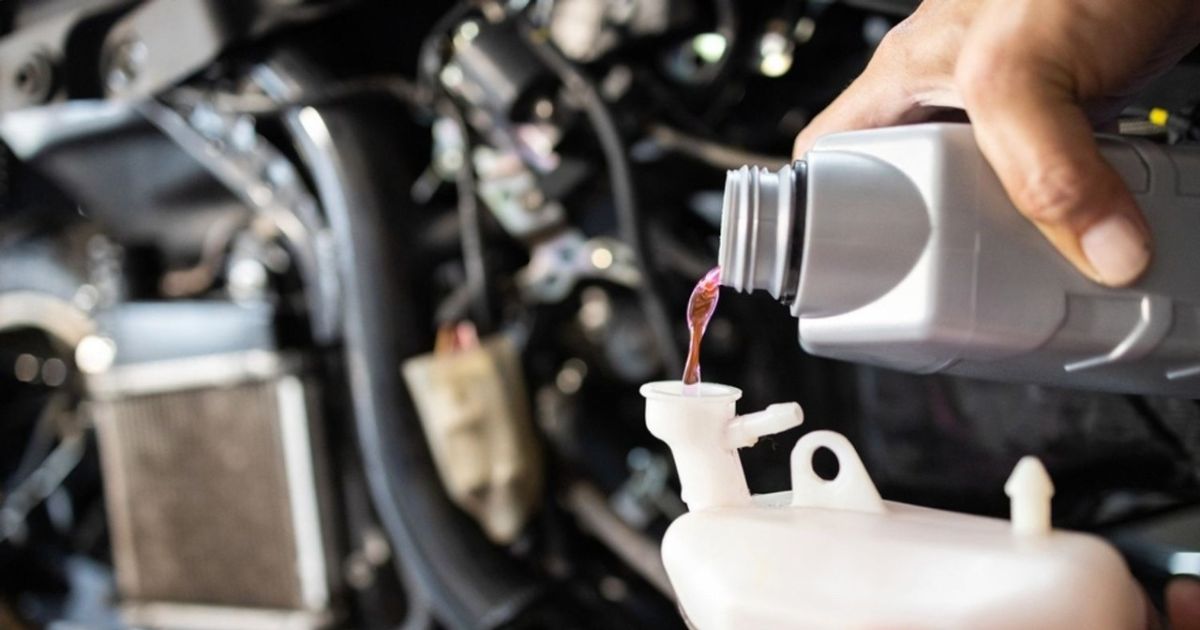
The primary disadvantage of using plain water is its corrosive nature. Motorcycle cooling systems consist of various metals, including aluminum, copper, brass, and steel. When these metals are submerged in water, they create a galvanic cell, leading to electrolysis and rapid corrosion. Furthermore, water lacks the necessary lubricating properties for the water pump seals and the boiling point elevation required to prevent localized overheating in the cylinder head.
In contrast, professional-grade coolants, such as those produced by Ipone or UMA Racing, contain ethylene glycol or propylene glycol combined with a package of inhibitors. These inhibitors act as a sacrificial anode, bonding to the internal surfaces of the cooling system to prevent oxidation. By maintaining a stable pH level, these fluids prevent the accumulation of scale and sediment that could otherwise block the thin passages of a motorcycle radiator.
Market Trends and Pricing Landscape in 2026
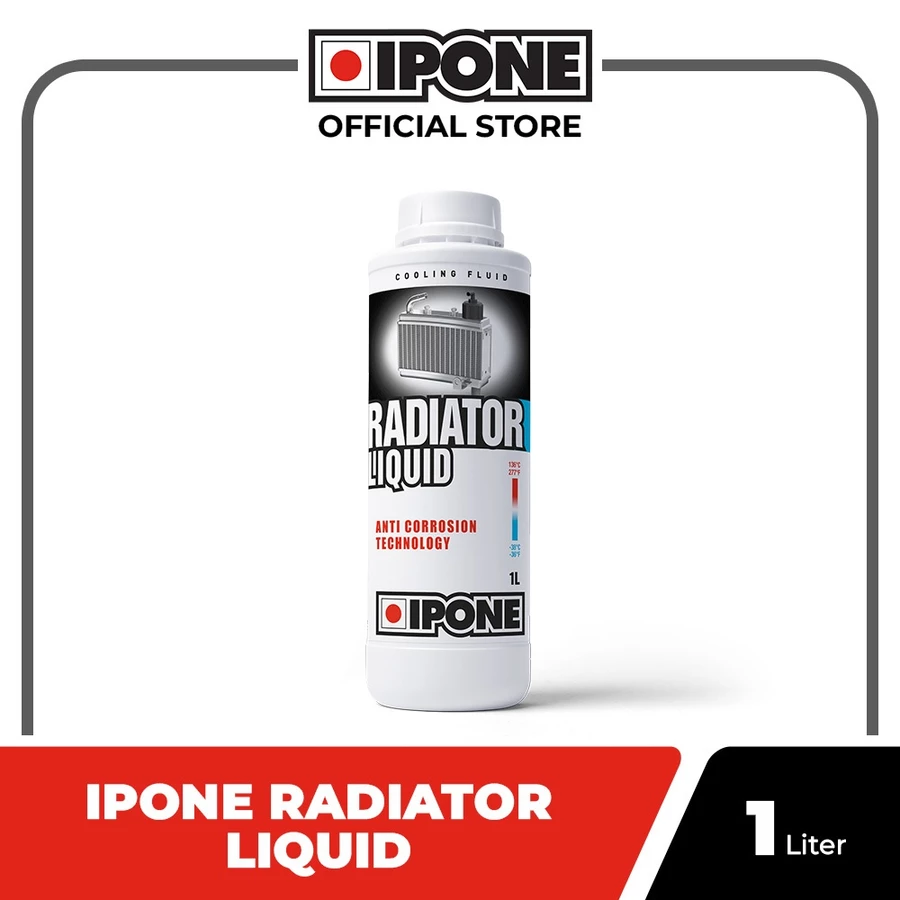
The 2026 market for motorcycle coolants shows a distinct segmentation based on chemical composition and performance metrics. Premium products, such as the Ipone Radiator Liquid (priced at approximately Rp180,503), often command higher prices due to their synthetic base and advanced additives designed for high-performance or racing applications. These fluids are engineered to maintain viscosity and cooling efficiency even under extreme thermal stress, such as during track days or stop-and-go urban traffic in tropical climates.
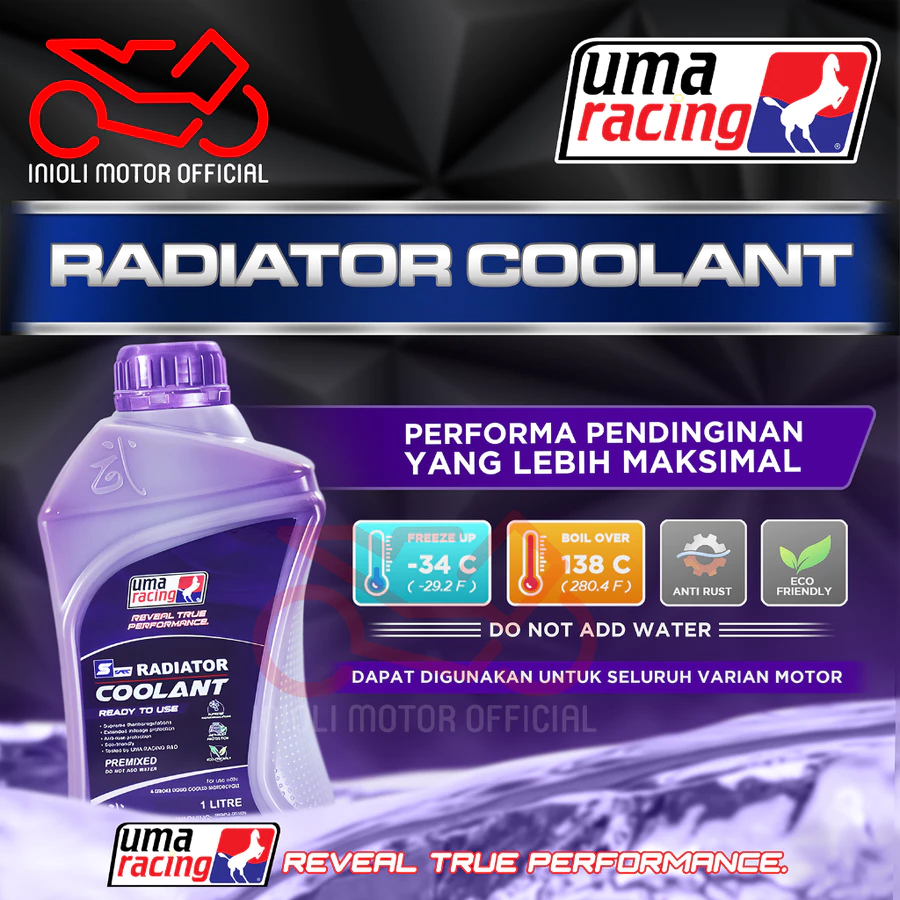
Conversely, mid-range options like the UMA Racing Coolant Liquid (priced at approximately Rp125,000) cater to the mass-market commuter segment. These products focus on providing reliable, year-round protection for daily riders who require a balance between affordability and standard engine health.
Data from automotive retail trends in 2026 suggest that consumers are increasingly moving away from "budget" non-branded fluids. The industry shift toward long-interval maintenance—where modern motorcycles require fewer frequent fluid changes—has made the "cost per kilometer" metric more relevant than the upfront purchase price. Riders are finding that investing in a high-quality coolant results in lower long-term repair costs, particularly concerning water pump failures and radiator clogging.
Chronology of Cooling System Maintenance
To ensure optimal performance, manufacturers have standardized cooling system service intervals. While the specific mileage varies by manufacturer, the following timeline serves as a professional guideline for 2026 motorcycle maintenance:
- 0–5,000 km (Break-in Period): Initial inspection of coolant levels is essential. During the break-in phase, microscopic metallic particles from the engine casting may circulate in the system.
- 10,000–12,000 km (First Service): Standard practice involves a physical inspection of hoses and clamps. If the coolant appears discolored or cloudy, a complete flush is recommended to remove contaminants.
- 20,000–24,000 km (Major Service): Most modern manufacturers recommend a full drain and refill of the coolant. This interval is critical because the chemical inhibitors—which prevent corrosion—begin to lose their effectiveness after two years of operation.
- Post-30,000 km: For motorcycles used in extreme conditions (high humidity or heavy load), shorter intervals are advisable to prevent the buildup of mineral deposits from the water used in previous top-ups.
Official Perspectives and Manufacturer Recommendations
Technical service bulletins from leading manufacturers emphasize the importance of using pre-mixed coolants or ensuring the correct concentration when using concentrates. The industry standard remains a 50/50 mix of coolant and deionized or distilled water. Using tap water is strongly discouraged by industry experts, as the chlorine and mineral content in tap water can trigger accelerated corrosion, effectively nullifying the benefits of the coolant additives.
Manufacturers have also begun to warn against the practice of "topping up" with different brands. While most modern coolants are chemically compatible, mixing different additive technologies—such as Organic Acid Technology (OAT) and Inorganic Additive Technology (IAT)—can lead to "gelling" or precipitation. This sludge can clog narrow radiator fins, leading to immediate engine overheating.
Analyzing the Broader Impact: Performance and Sustainability
The implications of proper coolant selection extend beyond individual engine health; they have broader environmental and economic impacts. Engine overheating is a primary cause of premature oil degradation, which leads to increased emissions and decreased fuel efficiency. By maintaining an efficient cooling system, riders contribute to better fuel economy and reduce the frequency of engine oil replacements.
From an economic perspective, the rise in the quality of aftermarket coolants has provided a safeguard for owners of aging motorcycles. As the average lifespan of motorcycles in Southeast Asia continues to extend due to improved manufacturing quality, the role of specialized maintenance fluids becomes even more vital.
Conclusion: Making an Informed Choice
When selecting a radiator fluid in 2026, riders should prioritize compatibility with their motorcycle’s specific cooling system metallurgy. Consulting the owner’s manual remains the most reliable method for determining the required specifications. While price is an understandable concern, the "most hemat" or economical choice is not necessarily the cheapest on the shelf.
Instead, the most cost-effective fluid is one that adheres to the manufacturer’s chemical requirements, provides long-term protection against corrosion, and resists boiling under the specific operating conditions of the rider’s environment. Whether choosing a premium racing-grade liquid or a standard commuter coolant, the investment in a reputable brand will invariably pay dividends in the form of a cooler, more efficient, and longer-lasting engine. As the motorcycle market continues to evolve, staying informed about these technical aspects ensures that riders remain prepared for the road ahead.