Skandal Mahkota Miss Universe Vietnam 2026: Quynh Anh Dijatuhi Sanksi Berat Akibat Skandal Kebocoran Grup Percakapan Pribadi

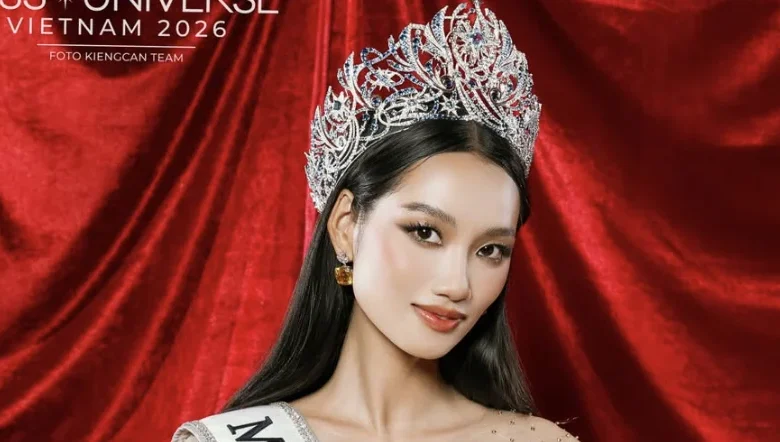
The glittering world of international pageantry was recently rocked by an unprecedented scandal as Nguyen Quynh Anh, crowned Miss Universe Vietnam 2026, faced severe disciplinary actions less than a month after securing her prestigious title. In a swift and decisive move that sent shockwaves through the Southeast Asian fashion and beauty community, pageant organizers imposed a six-month suspension and substantial financial penalties on the 27-year-old titleholder. The punitive measures followed a massive data leak involving a private group chat where Quynh Anh and several other contestants allegedly made derogatory remarks directed at fellow competitors, members of the official selection committee, and high-profile figures within the pageant industry.
This unexpected controversy has not only derailed the reign of a newly minted queen but has also reignited intense global discussions regarding the conduct, digital accountability, and underlying pressures faced by contemporary beauty queens. As organizations increasingly strive to project an image of modern empowerment, empathy, and professional integrity, incidents of cyberbullying and toxic behavior behind closed doors pose severe reputational risks. The unfolding narrative surrounding Quynh Anh serves as a cautionary tale for contestants navigating the high-stakes environment of national and international pageantry, where public perception and private conduct are heavily intertwined in the age of social media.
Anatomy of a Scandal: The Leaked Group Chat That Shook Vietnam
The crisis began when a series of digital screenshots surfaced across various social media platforms, allegedly originating from a private messaging group utilized by participants of the Miss Universe Vietnam 2026 competition. The leaked conversations revealed a toxic undercurrent within the supposedly supportive sisterhood of the pageant. According to the circulating logs, Quynh Anh, who was crowned on October 2, 2026, spearheaded or actively participated in conversations containing disparaging remarks, cutting critiques, and mocking commentary targeting individuals directly associated with the organization.
Among the primary targets of the leaked messages was Nguyen Cao Ky Duyen, the celebrated winner of Miss Universe Vietnam 2024. The rivalry between Quynh Anh and Ky Duyen is well-documented within Vietnamese pageantry circles; Quynh Anh finished as the first runner-up to Ky Duyen during the 2024 national competition before securing the crown herself two years later. The private chat logs reportedly contained snide remarks questioning the credentials and accomplishments of reigning figures, alongside derogatory commentary regarding the professional competence of one of the esteemed judges presiding over the 2026 panel. Furthermore, the private lives and personal backgrounds of other contestants—most notably fourth runner-up Trinh Hong Dang—were subjected to invasive and critical commentary.
The swift circulation of these screenshots triggered immediate public backlash. Netizens and prominent fan pages condemned the behavior, quickly labeling the participants as perpetrators of a "mean girl" culture that directly contradicts the core philanthropic and empowering ethos championed by the Miss Universe organization worldwide. The rapid virality of the leak left organizers with little room for ambiguity, forcing an immediate institutional response to safeguard the credibility and prestige of the national franchise.
Swift Retribution: Institutional Sanctions and Institutional Fallout
Realizing the gravity of the allegations, the Miss Universe Vietnam organizing committee acted with unprecedented speed. On the very day the screenshots began flooding digital forums, the governing body issued a formal statement announcing an immediate internal investigation to verify the authenticity of the leaked messages. Following a rapid yet thorough forensic examination of the digital correspondence, the committee confirmed that the exchanges were authentic and warranted severe disciplinary intervention.
The consequences handed down by the organization were both swift and uncompromising. Nguyen Quynh Anh, despite having held the crown for less than thirty days, was formally banned from participating in any public performances, promotional appearances, or official stage engagements for a duration of six months. In addition to the suspension, she was ordered to pay a significant financial penalty.
Quynh Anh was not the sole casualty of the disciplinary action. Trinh My Anh, who captured the title of first runner-up during the October 2 coronation, was found to have been actively complicit in the toxic exchanges. Consequently, My Anh received a three-month stage suspension alongside her own financial penalties. The tiered structure of the punishments underscored the organization’s zero-tolerance policy toward workplace harassment, cyberbullying, and unprofessional conduct among its reigning titleholders.
A Chronicle of Ambition: The Professional Journey of Quynh Anh
To fully understand the weight of the current controversy, one must examine the extensive and decorated background of Nguyen Quynh Anh within the Vietnamese and international entertainment industries. Born in 1999, Quynh Anh began carving out a space for herself in the competitive realms of modeling and fashion at the remarkably young age of 19, displaying a tenacity and drive that eventually propelled her to the upper echelons of the industry.
Her formal entry into the public eye began in 2019 when she auditioned for and secured a spot as a contestant on the popular reality television modeling competition The Face Vietnam. Though she did not claim the ultimate victory, the exposure provided a crucial stepping stone. Two years later, in 2021, Quynh Anh achieved a major career breakthrough by winning the regional reality modeling competition Supermodel Me, showcasing her versatility, high-fashion adaptability, and fierce runway presence to an international audience spanning multiple Asian territories.
Building upon her regional success, Quynh Anh successfully transitioned to the global fashion stage. In 2022, she reached a significant milestone by walking as a featured model during Milan Fashion Week, an achievement that cemented her status as a bona fide international fashion model rather than merely a domestic pageant hopeful. Seeking to conquer the pageantry arena, she entered Miss Universe Vietnam 2024, where her polished presentation and strong resume earned her the position of first runner-up. Undeterred by falling just short of the main title, she returned to the competition in 2026 and finally secured the coveted crown. However, this hard-earned victory, achieved after years of relentless ambition, has now been severely overshadowed by self-inflicted reputational damage.
Broader Implications: The Changing Landscape of Pageantry Governance
The fallout from the Quynh Anh scandal extends far beyond the borders of Vietnam, touching upon broader conversations regarding how modern beauty pageants govern their queens and protect their brand integrity. In recent years, major international pageants—including Miss Universe, Miss World, and their respective national franchises—have shifted their branding away from outdated, purely aesthetic evaluations toward metrics of holistic leadership, advocacy, social impact, and emotional intelligence.
When reigning queens engage in cyberbullying or express toxic sentiments behind the scenes, it fundamentally undermines the progressive messaging that modern pageantry attempts to project. The incident highlights the vulnerabilities inherent in digital communication among competitive peers. In an era where private chats can be easily leaked by disgruntled associates or hacked by opportunistic actors, public figures operate under an implicit understanding that absolute discretion is required. The lack of digital hygiene displayed by Quynh Anh and her fellow runner-up demonstrates a profound miscalculation of modern risk management.
Furthermore, the financial and operational implications for the Miss Universe Vietnam franchise are considerable. Organizers rely heavily on the unblemished public image of their reigning titleholders to secure high-value corporate sponsorships, lucrative brand partnerships, and widespread media coverage. Having a reigning queen sidelined for half of her short reign due to disciplinary sanctions creates logistical nightmares for promotional campaigns, charity initiatives, and preparations for the international Miss Universe stage. Observers within the industry note that while some national organizations might attempt to sweep minor controversies under the rug, the explicit public nature of this leak forced the Vietnamese committee to prioritize long-term institutional credibility over short-term damage control.
Conclusion and Future Outlook
As Nguyen Quynh Anh serves her six-month suspension and reckons with the financial and professional penalties imposed by the Miss Universe Vietnam organization, the future of her reign remains precarious. While a suspension is not an outright dethronement, the reputational stain of being disciplined for workplace toxicity and bullying poses an uphill battle for any public figure attempting rehabilitation.
For the broader pageant community, this incident serves as an emphatic reminder that the crown carries responsibilities extending far beyond the physical stage. As social media continues to blur the lines between private grievances and public platforms, the necessity for digital accountability, emotional maturity, and genuine mutual respect among competitors has never been more paramount. The coming months will reveal whether Quynh Anh can successfully navigate her rehabilitation and whether the Miss Universe Vietnam organization can move past this turbulent chapter to restore dignity and harmony to its national institution.
Related posts: