Beyond the Stupa: The Evolution of Sustainable Tourism Experiences in the Borobudur Highland

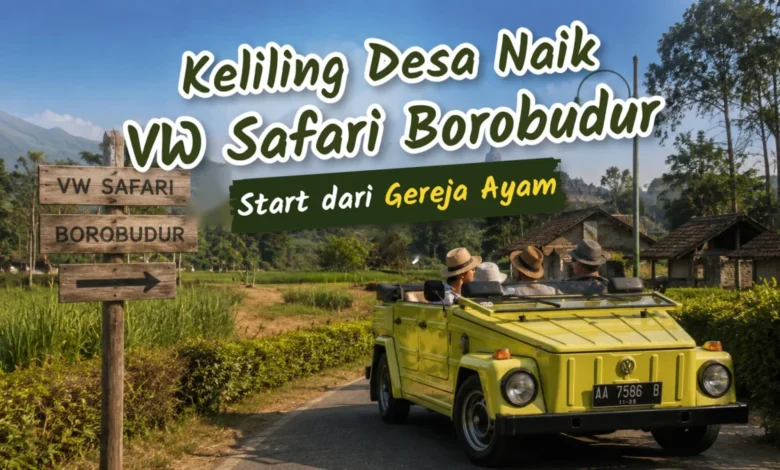
The Borobudur Temple, a UNESCO World Heritage site and the world’s largest Buddhist monument, has long served as the primary anchor for tourism in Magelang, Central Java. However, recent shifts in regional tourism strategy have emphasized the decentralization of visitor traffic, moving away from monument-centric itineraries toward experiential tourism. This transition is most evident in the rise of village tourism initiatives, which utilize iconic Volkswagen (VW) Safari fleets to bridge the gap between historical landmarks and the surrounding rural landscape.
A Strategic Shift in Regional Tourism Development
The integration of vintage VW Safari tours into the Borobudur ecosystem is not merely a novelty; it is a calculated effort by the local government and tourism boards to increase the length of stay for international and domestic tourists. Data from the Central Java Tourism Office indicates that while the temple remains the primary draw, visitor expenditure increases by approximately 30% when tourists engage in village-based activities such as handicraft workshops and agricultural tours.
The utilization of VW Safari vehicles—specifically models like the VW 181, often referred to as "The Thing"—has become a cultural fixture in Magelang. These vehicles, known for their open-air configuration, allow for a visceral connection to the environment, aligning with the "slow travel" movement currently gaining traction in the Indonesian tourism sector.
Chronology of Transformation: The Bukit Rhema Case Study
A focal point in this developmental shift is the area surrounding Bukit Rhema, famously known as the location of the "Chicken Church" (Gereja Ayam). Once a standalone architectural curiosity, the site has undergone significant infrastructure upgrades over the past 24 months to become a multi-functional tourist hub.
Historically, the site was characterized by its unique architecture and its association with the 2016 film Ada Apa Dengan Cinta? 2. Following the film’s success, the management shifted focus from simple site-seeing to an integrated service model. By early 2024, the site finalized the integration of the Kedai Bukit Rhema dining facility, which provides panoramic views of the Menoreh mountain range. This evolution reflects a broader trend in Magelang: the transformation of independent tourist spots into comprehensive tourism ecosystems that provide dining, cultural education, and logistical support.

The Logistics of Village Tourism: An Analysis of the VW Safari Experience
The VW Safari circuit typically follows a route designed to showcase the socio-economic pillars of the Borobudur region. Tours generally start in the early morning hours, often around 06:00, to capitalize on optimal lighting conditions and cooler temperatures.
The standard itinerary includes:
- Agricultural Education: Visits to traditional palm sugar (gula jawa) production facilities, providing insight into the labor-intensive processes of rural cottage industries.
- Horticultural Workshops: Visits to mushroom cultivation centers, which demonstrate modern agricultural techniques adopted by local farmers to diversify their income.
- Landscape Photography: Scheduled stops at designated open-field zones that provide unobstructed views of the Menoreh hills, serving as a tactical marketing tool for digital engagement.
From an operational standpoint, the management of these tours is decentralized, involving cooperatives of local drivers. This model ensures that the economic benefits of tourism are distributed directly to the village communities, rather than being concentrated solely within the primary archaeological site.
Expert Insights and Economic Implications
Tourism analysts observe that the success of the VW Safari model lies in its ability to humanize the tourist experience. By navigating through rural pathways, visitors interact with the local populace in a non-intrusive, authentic manner. This interaction is essential for sustaining the cultural integrity of the Borobudur area.
"The objective of our current tourism framework is to transform Borobudur from a destination into an experience," notes an official familiar with the regional development plan. "By diversifying the itinerary to include batik production, culinary exploration, and rural tours, we reduce the physical stress on the Borobudur Temple structure while increasing the economic yield for the local villages."
Cultural Preservation Through Participation
Beyond the transport and sightseeing aspects, the inclusion of interactive workshops—specifically traditional Javanese batik making—serves a dual purpose. It provides a tangible souvenir for the visitor and fosters a deeper appreciation for intangible cultural heritage. By booking these experiences in conjunction with transit services, such as the logistics coordinated by the Bukit Rhema hub, travelers contribute to the sustainability of local artisan communities.
Operational Guidelines for Future Travelers
For travelers planning a visit to the Magelang region, the logistical infrastructure has become significantly more streamlined. Professional operators now offer integrated booking systems that combine transportation, guided tours, and workshop reservations.
- Booking Protocols: It is highly recommended to secure reservations at least 14 days in advance, particularly during peak holiday seasons (year-end and school holidays), as the availability of specialized vehicles remains limited by local cooperative capacity.
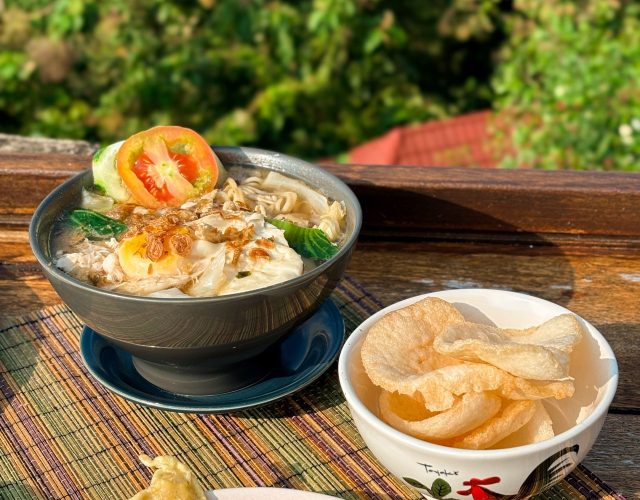
- Logistical Planning: Travelers should prioritize hubs like the Kedai Bukit Rhema for centralized booking, as these locations provide a "one-stop" interface for dining, transport, and cultural activities.
- Environmental Considerations: The open-air nature of the VW Safari necessitates appropriate preparation regarding sun protection and temperature management. Visitors are advised to engage with the drivers—who often serve as informal guides—to gain context on the specific village histories encountered during the tour.
Broader Impact: The Future of Borobudur Tourism
The shift toward experiential tourism in Borobudur represents a necessary maturation of the Indonesian tourism industry. By moving beyond the "monument-only" model, the region is better equipped to manage the environmental impact on the temple itself while fostering a more resilient local economy.
As the industry continues to evolve, the focus will likely remain on the expansion of these "satellite" experiences. The success of the VW Safari circuit serves as a template for other regions in Indonesia attempting to balance mass tourism with community-based development. The long-term implication is a more distributed, equitable, and sustainable tourism landscape where the rural beauty of the Menoreh hills is as significant to the visitor experience as the ancient stones of Borobudur.
Through the integration of traditional crafts, local agricultural insights, and vintage-transport-led exploration, the Borobudur region is effectively redefining its identity. It is no longer just a site of historical pilgrimage, but a vibrant, living landscape that invites deeper, more meaningful engagement from those who travel its paths.
Related posts: