Honor Officially Launches the Pad X9b Max Globally Featuring a 13-Inch 120Hz Display, 10,100mAh Battery, and Snapdragon 6s 4G Gen 2

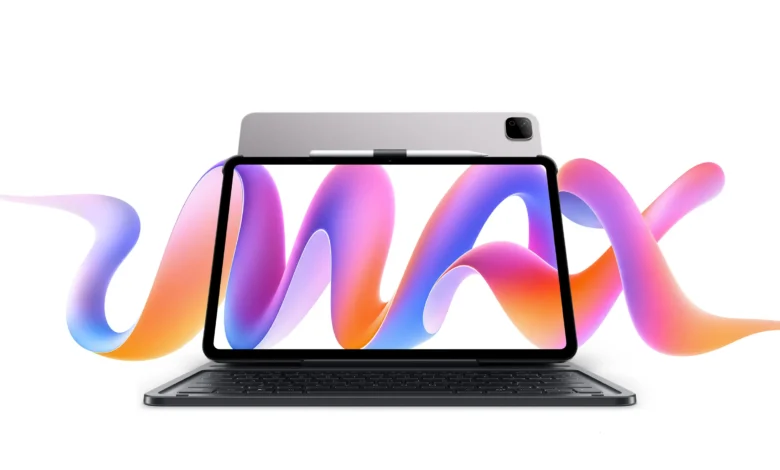
Technology giant Honor has officially commenced the international rollout of its latest large-screen tablet, the Honor Pad X9b Max, bringing a robust slate of multimedia-focused hardware to global markets. Positioned as a versatile productivity and entertainment device, the tablet is built around a sprawling 13-inch liquid crystal display (LCD) boasting a 120Hz refresh rate, driven by a power-efficient Snapdragon processor and backed by a massive 10,100mAh battery. Originally introduced to consumers in the Chinese domestic market under the moniker Honor Pad X10 Pro Max, the transition of this hardware to the international stage signifies Honor’s continued aggressive expansion in the highly competitive Android tablet ecosystem.
The launch of the Pad X9b Max comes at a time when consumer demand for large-format, productivity-capable tablets continues to grow steadily. With remote work, hybrid learning, and mobile media consumption remaining central to modern digital lifestyles, manufacturers are increasingly focusing on bridging the gap between traditional laptops and conventional mobile devices. By equipping the Pad X9b Max with high-end display metrics, expansive battery endurance, and software designed to mimic desktop environments, Honor aims to capture a significant share of the mid-range global tablet market, directly challenging competitors in the affordable productivity segment.
Comprehensive Display and Multimedia Capabilities
At the core of the Honor Pad X9b Max is its expansive 13-inch display panel, designed to cater heavily to media consumption, digital reading, and multi-window workflows. The screen features a resolution of 2500 x 1560 pixels, delivering crisp text reproduction and detailed visual fidelity. With a peak brightness rating of 700 nits, the tablet remains comfortably viewable in brightly lit indoor environments, though direct outdoor sunlight legibility will naturally depend on ambient conditions.
The panel utilizes a modern 16:10 aspect ratio, which strikes a practical balance between cinematic widescreen media viewing and vertical content consumption, such as document editing and web browsing. To reduce user eye strain during prolonged usage sessions, Honor has integrated hardware-level DC dimming and advanced low blue light filtering technologies, both of which have earned industry certifications for eye protection.

Furthermore, the inclusion of IMAX Enhanced certification elevates the tablet’s multimedia credentials, promising optimized color calibration, contrast ratios, and spatial audio integration when streaming compatible content. This positions the Pad X9b Max not merely as a casual browsing tool, but as a portable entertainment hub capable of delivering theater-like experiences in domestic or travel settings.
Processing Power and Hardware Configurations
Underneath the hood, the Honor Pad X9b Max relies on the Qualcomm Snapdragon 6s 4G Gen 2 chipset, manufactured on an efficient 6-nanometer process node. While this processor is primarily geared toward energy efficiency and reliable daily performance rather than heavy 3D gaming, it provides more than adequate computing power for standard productivity applications, media streaming, web navigation, and multitasking routines.
Global configurations for the tablet are structured to accommodate varying consumer needs and budget tiers. The device is available with up to 6GB of physical RAM and features a maximum internal storage capacity of 256GB. For users requiring additional space for media libraries, offline documents, or applications, the tablet includes a dedicated microSD card slot capable of expanding storage capacity by up to 2TB—a hardware feature that is increasingly absent in modern mobile devices.
In certain regional markets, an entry-level configuration featuring 4GB of RAM and 128GB of storage has also been introduced, translating to an aggressive competitive price point of approximately $220 to $250 USD (roughly equivalent to Rp3.5 million). This tiered pricing strategy allows Honor to target budget-conscious students and casual users while still offering higher-tier specifications for power users.
Battery Endurance and Fast Charging Architecture
One of the standout engineering achievements of the Honor Pad X9b Max is its substantial power reserve. The device integrates a massive 10,100mAh battery cell, engineered to support extensive hours of uninterrupted operation without frequent visits to a wall outlet.

According to official internal testing metrics published by Honor, the battery is capable of delivering up to 16 hours of continuous local video playback on a single charge. For users focused on education or office productivity, the tablet can sustain approximately 13 hours of continuous reading or document management. This exceptional endurance addresses one of the primary pain points of large-screen mobile devices, which historically struggled to maintain all-day battery life under heavy workloads.
To replenish the large energy reserve efficiently, the Pad X9b Max supports 45W fast charging technology. While high-capacity cells naturally require longer replenishment times compared to smaller smartphone batteries, the inclusion of 45W wired charging ensures that downtime is kept to a reasonable minimum during rapid top-ups.
Software Ecosystem and Productivity Integration
Software performance on the Honor Pad X9b Max is driven by MagicOS 10, built on top of the Android 16 operating system architecture. MagicOS 10 brings a suite of proprietary software optimizations tailored specifically for large-screen form factors, including advanced multi-window management, floating application windows, and seamless cross-device connectivity ecosystems.
Crucially, the operating system introduces functional workflows designed to replicate a traditional personal computer (PC) environment. This includes a dedicated taskbar, simplified file management systems, and enhanced peripheral compatibility. The tablet offers robust support for productivity accessories, including the Magic-Pencil 4s stylus for digital note-taking and graphic illustration, as well as a dedicated Smart Bluetooth Keyboard case that transforms the slate into a compact laptop substitute.
Camera capabilities, while secondary on a device of this physical scale, are functional rather than flagship-grade. The rear assembly features a 5-megapixel autofocus camera suitable for document scanning and casual snapshots, while the front-facing 5-megapixel camera handles video conferencing, online classes, and facial recognition unlock procedures.

Broader Market Implications and Future Outlook
The global distribution of the Honor Pad X9b Max highlights a broader structural shift in the consumer electronics market toward high-value, large-screen productivity tools. As consumers increasingly demand hardware that can seamlessly transition between professional tasks, academic requirements, and personal entertainment, manufacturers are responding by democratizing features once reserved for ultra-premium flagship devices—such as 120Hz refresh rates and expansive battery capacities—into the mid-range pricing tier.
Industry analysts observe that Honor’s strategic rebranding of the device from its Chinese domestic title (Pad X10 Pro Max) to the international nomenclature (Pad X9b Max) reflects a unified global product taxonomy aimed at clarifying consumer choices across diverse geographical territories. By offering competitive hardware at an accessible price point, Honor is well-positioned to capture market share in developing and emerging digital economies where value-for-money propositions heavily influence purchasing decisions.
As international shipments ramp up across various retail channels, industry observers and technology enthusiasts alike are closely monitoring Honor’s regional release roadmap. Speculation remains high regarding whether Honor intends to introduce the Pad X9b Max to the Southeast Asian market, including Indonesia, where demand for large-screen educational and entertainment tablets remains robust. Until official regional announcements are made by local subsidiaries, consumers in unconfirmed markets will await further updates from the manufacturer regarding local availability and pricing structures.