KPK Weighs Potential Summons for Minister Nusron Wahid Amid Corruption Investigation into Bogor Land Rights Scandal

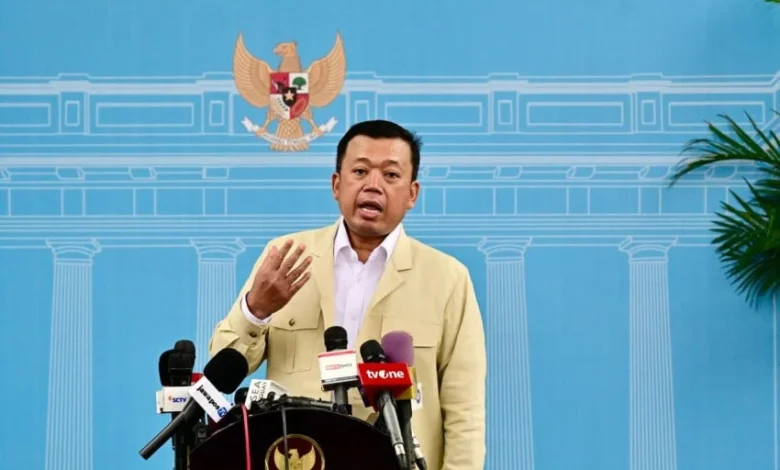
The Corruption Eradication Commission (KPK) has officially signaled that it remains open to the possibility of summoning the Minister of Agrarian Affairs and Spatial Planning/Head of the National Land Agency (ATR/BPN), Nusron Wahid, as part of an ongoing high-profile investigation into bribery and gratuities involving the issuance of Land Use Rights (HGB) in Bogor Regency, West Java. The probe, which has already resulted in the naming of four individuals identified as close associates of the minister as suspects, marks a significant escalation in the government’s efforts to purge systemic corruption within the national land governance sector.
The Scope of the Investigation
The investigation centers on allegations of illicit financial transactions designed to facilitate the expedited approval of Land Use Rights (HGB) for private developers operating in the Bogor area. Bogor has long been a hotspot for real estate expansion, and the complexities of land certification in the region have historically created opportunities for administrative malpractice.
According to the Acting Director of Investigations at the KPK, Achmad Taufik Husein, the commission is currently in a phase of evidentiary consolidation. The decision to call the Minister as a witness is not currently mandated but remains a strategic option that rests entirely on the requirements of the investigation. "Whether or not Minister NW will be summoned depends entirely on the requirements of our ongoing investigation," Taufik stated during a press briefing on September 15, 2026. He further emphasized that the necessity of such a move would be determined by the progression of testimonies gathered from the four suspects currently in custody.
Background and Context: A Systemic Challenge
The land sector in Indonesia has been identified by multiple transparency watchdogs as one of the most corruption-prone areas of public administration. The Ministry of ATR/BPN manages critical documentation that serves as the foundation for multi-billion dollar infrastructure projects and residential developments. When these processes are compromised, it often involves a sophisticated network of "middlemen" or proxies—often referred to as makelar tanah—who claim to have influence over internal bureaucratic processes.
Nusron Wahid, who assumed his position with a mandate to reform the ministry, has previously acknowledged that the ATR/BPN is plagued by what he describes as "structural diseases." In recent weeks, the Minister has engaged in dialogue with the KPK, ostensibly to coordinate efforts to clean up the institution. During a two-hour consultation at the KPK headquarters prior to the current scandal reaching its boiling point, Wahid discussed the vulnerabilities within the ministry’s digital and manual filing systems that allow for illegal tampering. This context creates a complex narrative: while the Minister has been vocal about reform, the fact that four of his own close associates have been named suspects suggests that corruption may have permeated the inner circle of his administration.
Chronology of the Bogor Land Scandal
The investigation into the Bogor HGB case did not happen in a vacuum. It follows a series of public complaints regarding the slow pace and high informal costs associated with land title processing in West Java.
- Early 2026: Reports emerge regarding irregularities in the issuance of HGB certificates for several large-scale commercial land plots in Bogor.
- April–June 2026: KPK intelligence units initiate a preliminary survey, tracking suspicious financial flows linked to specific BPN officials and third-party intermediaries.
- August 2026: Surveillance confirms the presence of unauthorized "expedited service" fees being funneled to individuals acting on behalf of the Ministry’s regional offices.
- September 2026: The KPK executes a series of raids, seizing documents and digital evidence. Four individuals identified as close associates of Minister Nusron Wahid are formally detained and charged.
- September 15, 2026: The KPK holds a press conference, confirming that the investigation is expanding and explicitly addressing the potential for high-level ministerial questioning.
Economic and Legal Implications
The implications of this scandal extend beyond the individual suspects. Land disputes remain a major barrier to foreign and domestic investment in Indonesia. When the integrity of HGB documents—which are essential for securing corporate loans and proving land ownership—is called into question, the entire real estate market faces uncertainty.
Economists have noted that "regulatory corruption" in the land sector increases the cost of doing business, which is ultimately passed down to consumers or results in stagnant development projects. If the KPK proves that the bribery network reached the ministerial level, it would suggest that current digital transformation efforts within the BPN, such as the Tanah Elektronik initiative, may have been bypassed or intentionally sabotaged by insiders.
From a legal standpoint, the prosecution will likely focus on Article 12 of the Corruption Eradication Law, which covers the receipt of gifts or promises by public officials. The investigators will need to establish a clear "money trail" connecting the four suspects to the Minister’s decision-making apparatus to warrant a formal summons.
Official Responses and Institutional Reform
Minister Nusron Wahid has maintained a stance of full cooperation with the KPK. His previous statements to the media suggest that he welcomes the investigation as a "necessary surgery" for the ministry. However, legal experts argue that the Minister’s proximity to the suspects places him in a precarious position. "The KPK is essentially testing whether the rot is limited to subordinates or if it reaches the policy-making level," says an analyst from a Jakarta-based governance institute.
The Ministry of ATR/BPN has issued a brief statement reiterating its commitment to supporting the KPK’s investigation. Internally, the ministry is reportedly reviewing its SOPs (Standard Operating Procedures) regarding HGB issuance to identify where the human element of discretion can be removed in favor of automated, transparent systems.
Analyzing the KPK’s Strategy
The KPK’s decision to remain vague about the Minister’s summons is a standard procedural tactic. By keeping the possibility open, the commission maintains pressure on the current suspects to cooperate and potentially provide information about their superiors. If the suspects reveal that they were acting under direct instruction or with the implicit knowledge of higher authorities, a summons for the Minister would become inevitable.
Furthermore, the KPK is under public scrutiny to demonstrate that its anti-corruption mandate is applied equally to all government agencies. The Bogor HGB case serves as a litmus test for the effectiveness of the current commission’s leadership. If the case results in convictions that successfully expose the root causes of the bribery, it could serve as a blueprint for reforming other departments within the ATR/BPN.
Looking Ahead
The coming weeks will be critical. The KPK is expected to conduct forensic audits on the financial records seized during the September raids. Observers will be watching for two main developments:
- The Testimony of the Four Suspects: Whether they seek whistleblower status or remain silent will dictate the speed of the investigation.
- Digital Forensics: The recovery of emails, chat logs, and internal memos from the ministry’s servers will likely provide the "smoking gun" needed to determine if the Minister’s office had oversight of the bribery scheme.
In the broader political landscape, this scandal arrives at a time when the administration is striving to bolster investor confidence. Whether the case becomes a demonstration of the government’s resolve to fight corruption or a distraction that halts land-related development will depend on the transparency and thoroughness of the KPK’s findings. For now, the legal process moves forward with the focus squarely on the administrative mechanics of the Bogor land registry and the accountability of those tasked with its integrity.