Samsung Galaxy SmartTag 3 Leaks Reveal Radical Redesign, Dropping Built-In Lanyard Hole for a New Squircle Form Factor

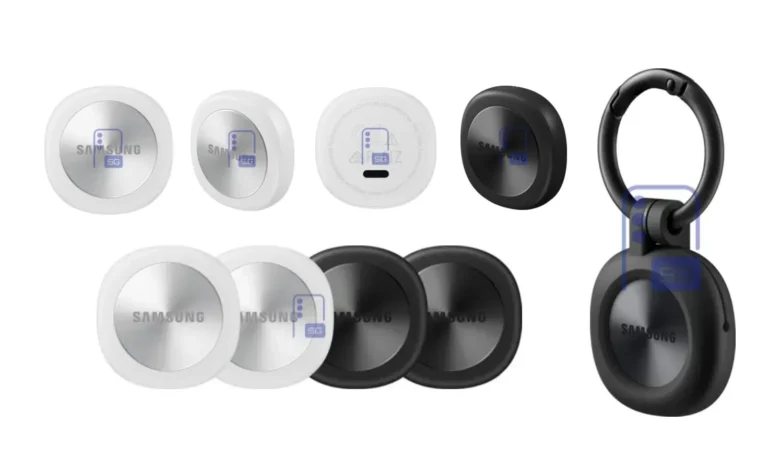
Following a series of regulatory sightings and early conceptual illustrations, fresh visual evidence regarding Samsung Electronics’ upcoming generation of Bluetooth tracking devices has surfaced online. The leaked imagery provides the clearest look yet at the anticipated Samsung Galaxy SmartTag 3, showcasing a dramatic departure from the design philosophy established by its predecessors. As consumer demand for reliable, precise asset-tracking ecosystems continues to grow, Samsung’s iterative updates to the SmartTag lineup are drawing intense scrutiny from tech enthusiasts and industry analysts alike. The newly leaked renders not only confirm a shift in aesthetic contours but also highlight substantial ergonomic changes that could alter how users attach and secure their tracking devices to everyday personal items.
The Evolution of Samsung SmartTags: A Brief Chronology
To understand the significance of the Galaxy SmartTag 3 leaks, it is essential to examine the historical trajectory of Samsung’s item-tracking ecosystem. Samsung entered the smart tracker market to compete directly with established industry giants like Tile and the later-released Apple AirTag.
In early 2021, Samsung launched the original Galaxy SmartTag alongside the Galaxy S21 series, utilizing standard Bluetooth Low Energy (BLE) technology and the company’s proprietary SmartThings Find network. Shortly thereafter, Samsung introduced the Galaxy SmartTag+, which integrated Ultra-Wideband (UWB) technology for precision directional finding via augmented reality.
The second major iteration, the Galaxy SmartTag 2, arrived in late 2023. It brought a massive overhaul to the product line, featuring a distinct oblong, ring-shaped aesthetic with a metallic inner loop designed to easily attach to keychains, backpacks, and pet collars without requiring supplementary accessories. Furthermore, the SmartTag 2 boasted significantly improved battery life, a more durable IP67 water and dust resistance rating, and an upgraded Lost Mode feature.
Rumors and preliminary certification sightings for the Galaxy SmartTag 3 began to circulate in mid-2026, culminating in early illustrations in July that hinted at geometric modifications. The latest leaks, originating from exclusive industry reports, substantiate those early blueprints by offering high-resolution depictions of the hardware, including multiple color variations and tactile finishes.
Detailed Breakdown of the Leaked Design: The Squircle Aesthetic
The most striking revelation from the newly surfaced images is the adoption of a "squircle" form factor—a geometric hybrid bridging the visual gap between a square and a circle. Unlike the elongated, loop-centric body of the SmartTag 2, the Galaxy SmartTag 3 returns to a more compact, centralized footprint reminiscent of standard coin-shaped trackers, albeit with softened, rounded corners.

At least two distinct colorways are visible in the leaked marketing and promotional material, suggesting that Samsung plans to maintain its strategy of offering aesthetic personalization to match consumer accessories and smartphone ecosystems.
Perhaps the most controversial and structurally significant modification is the apparent omission of the built-in lanyard hole or loop. The SmartTag 2 was widely praised for its large, integrated metal-lined ring opening, which allowed users to thread key rings or straps directly through the chassis. The leaked renders of the Galaxy SmartTag 3, however, show a solid, continuous perimeter casing devoid of any aperture for direct attachment.
Industry observers note that this design shift implies users will likely need to purchase proprietary or third-party protective cases equipped with loops or carabiners if they wish to attach the tracker to luggage, pet collars, or keychains. While this decision may streamline the device’s minimalist aesthetic and potentially improve structural sealing against environmental elements, it introduces an added cost and accessory requirement for end-users accustomed to out-of-the-box clip-on functionality.
Hardware Features and Central Control Mechanics
At the dead center of the squircle body sits a physical action button, emblazoned with the corporate Samsung logo. The leaked images indicate that this button utilizes a distinct metallic finish that contrasts texturally with the matte or satin finish of the surrounding plastic bodiwork.
While exact functional specifications have not been officially confirmed by regulatory or corporate disclosures, historical precedent suggests this button will serve multiple roles. In previous generations, the button could be programmed to trigger automation routines within the SmartThings smart home ecosystem, locate a misplaced paired smartphone via an audible alert, or act as a remote shutter release for the connected Galaxy smartphone’s camera app.
Expectations for Ultra-Wideband and Battery Performance
Although the leaked images focus primarily on industrial design and physical ergonomics, technology analysts anticipate that Samsung will load the Galaxy SmartTag 3 with cutting-edge internal hardware to maintain competitiveness against Apple’s AirTag lineup and Google’s expanding Find My Device network.
Ultra-Wideband (UWB) connectivity is expected to be a standard inclusion, likely becoming ubiquitous across the lineup rather than segregated into standard and "Plus" tiers. UWB technology allows compatible smartphones to direct users toward a lost item with centimeter-level precision, utilizing directional arrows and distance indicators.

Battery longevity remains a critical purchasing factor in the smart tracker market. Previous Samsung trackers utilized replaceable coin-cell batteries (such as CR2032 cells), which allowed users to swap out power sources effortlessly without needing specialized charging docks. It remains to be seen whether the squircle chassis of the SmartTag 3 retains a user-replaceable battery compartment door or transitions to a sealed, rechargeable configuration. Given consumer preference for zero-maintenance sustainability, market researchers will closely monitor Samsung’s choice of power architecture.
Market Context and Broader Implications
The leaking of the Galaxy SmartTag 3 occurs within a rapidly maturing ecosystem of asset-tracking hardware. The global market for item finders has expanded dramatically, driven by consumer concerns over personal property security, luggage tracking during air travel, and pet safety.
Furthermore, the implementation of cross-platform industry standards—spearheaded jointly by major tech conglomerates to combat unwanted tracking and stalking—places additional pressure on device manufacturers. Any new tracker entering the market must seamlessly adhere to rigorous privacy protocols, ensuring that unauthorized tracking alerts are swiftly pushed to both Android and iOS devices in the vicinity.
From a commercial standpoint, the redesign of the SmartTag 3 could signal Samsung’s intent to position the device not merely as a utilitarian utility tool, but as a lifestyle accessory. By streamlining the geometry and focusing on clean lines, Samsung may be targeting a demographic that prioritizes minimalist design over rugged, utilitarian clips. However, the requirement for auxiliary carrying cases could divide user opinion, particularly among cost-conscious consumers who valued the zero-accessory attachment mechanism of the previous generation.
Anticipated Launch Timeline and Official Outlook
As of publication, Samsung Electronics has issued no official statements, press releases, or confirmations regarding the existence, specifications, or release date of the Galaxy SmartTag 3.
However, tech industry analysts point to historical launch patterns as a reliable indicator. Samsung frequently aligns its ecosystem accessories with major hardware announcements or schedules dedicated rollout windows ahead of the fourth-quarter holiday shopping season. Given that regulatory database filings and high-grade marketing renders have begun to emerge concurrently, industry consensus suggests an official commercial debut could transpire within the next one to two months.
As consumers and technology reviewers await corporate confirmation, the debate over the merits of the new squircle design versus the legacy loop-integrated format continues to grow across online tech forums. Whether the design gamble pays off for Samsung will ultimately depend on how the market receives the handling adjustments, pricing strategy, and performance capabilities of the final production units when they officially hit retail shelves.
Related posts: